20 September, 2026 | 3:52 PM


Ex Infy CEO stresses speed of adaption for Indian IT industry
29-03-2026 12:00:00 AM
The analysis revealed that continuing operations in that market was no longer viable. The distributor presented the findings to the board and decided to exit the country entirely—all within days.
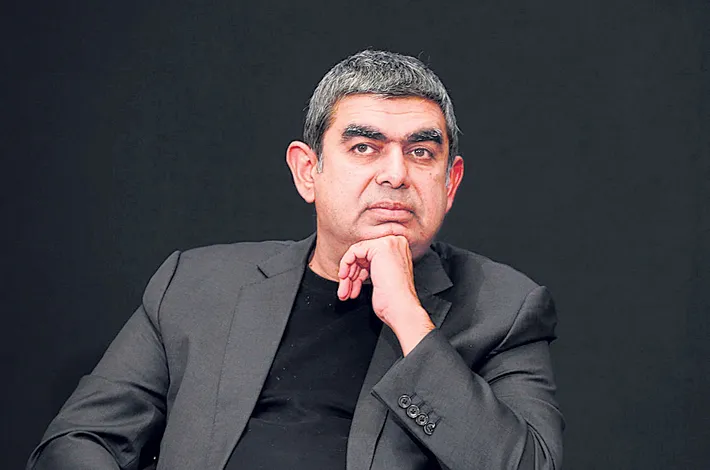
In a candid discussion on the evolving role of artificial intelligence in the technology sector, industry veteran Vishal Sikka (founder of Vianai and former Infosys CEO) warned that traditional IT services firms, as they operate today, may struggle to survive the AI revolution. Addressing concerns about whether current IT services models can still "win the race," Sikka predicted a clear divide in the coming years: companies that successfully transition to AI-native approaches will thrive, while others risk failure.
Sikka emphasized that the next few years will prove decisive. "We will see the ones who make the transition and come out on the other side successful, and the rest of them will not make it," he said. He described the situation as "quite interesting" but underscored the high stakes for India's massive IT services sector, which has long been a cornerstone of the economy.
He pointed to the emergence of entirely new kinds of problems and capabilities that AI enables. He shared a striking example from one of his Vianai customers—a home goods distributor in the Middle East. When a major global CPG (consumer packaged goods) giant shut down operations in a country where the distributor operated, the company turned to Sikka's AI-powered product for complex "what-if" analysis, scenario simulations, and modeling of tariffs, import costs, and logistics.
The analysis revealed that continuing operations in that market was no longer viable. The distributor presented the findings to the board and decided to exit the country entirely—all within days. In the pre-AI era, the same realization would have taken a full year, involving quarterly reviews, task forces, and prolonged uncertainty. "Imagine being able to do in the space of two or three days what would have taken one year," Sikka recounted the customer saying. They ran hundreds of scenarios that simply weren't feasible before.
Ultimately, Sikka stressed urgency. Companies must move fast to escape legacy work and embrace AI-native innovation. "All of this has to be done in a hurry," he warned. "Otherwise, they are not going to make it."