26 August, 2026 | 8:24 AM


Crop waste could fuel aviation revolution
11-07-2026 12:00:00 AM
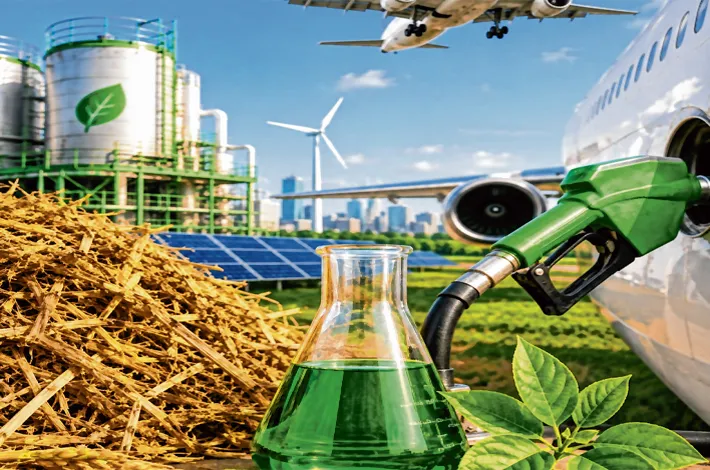
India could transform surplus agricultural residue into sustainable aviation fuel (SAF), reducing its dependence on imported crude oil while tackling air pollution and lowering aviation emissions, according to a new report by the India Energy and Climate Centre, the UC Berkeley Goldman School of Public Policy and Energy Innovation Policy and Technology.
The report highlights the potential of a power-and-biomass-to-liquids pathway, which converts crop residue such as rice and wheat straw into jet fuel by combining biomass-derived synthesis gas with low-cost green hydrogen through the Fischer-Tropsch process. Researchers said India is well placed to develop the technology because of its abundant agricultural waste, expanding green hydrogen ecosystem and growing biomass supply chains. These advantages could enable the country to produce SAF at costs up to 40% below prevailing global benchmarks, supported by low green hydrogen prices and inexpensive crop residue. The study suggests the fuel could initially cater to rising international demand for sustainable aviation fuel while helping shield the country from fluctuations in global crude oil prices.
Over time, production costs could fall below those of conventional fossil-based jet fuel during the 2030s, depending on policy support and market conditions. According to the report, the PBtL route has the potential to meet India's entire aviation fuel demand by 2050 while creating value from crop residue that is otherwise burned, a major contributor to seasonal air pollution across northern India.
The technology is also considered commercially ready for demonstration and expansion, outperforming several other SAF production pathways on cost, carbon intensity and resource efficiency. —IANS