25 September, 2026 | 1:03 AM


China regulates online advice
25-09-2026 12:00:00 AM
metro india news I hyderabad
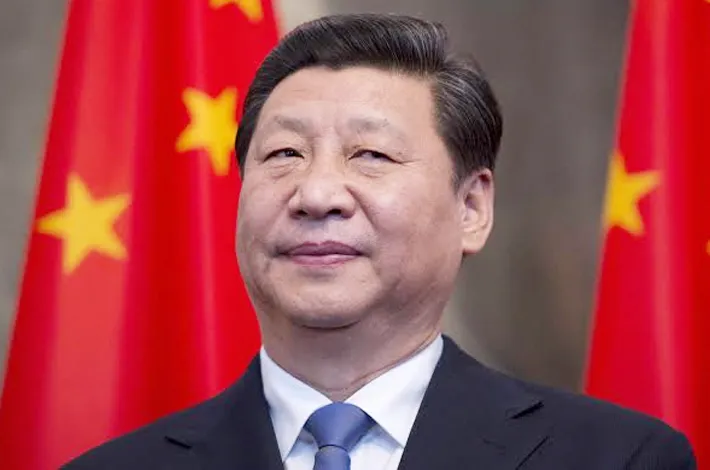
A viral social media post featuring Chinese President Xi Jinping has reignited debate over who should be allowed to offer specialist advice online. Widely shared claims say China has introduced strict rules requiring anyone discussing medicine, law, finance, education or health online to hold verified credentials, with violations attracting account shutdowns and fines of up to around $15,000.
Reports from late 2025 indicate that China’s Cyberspace Administration tightened requirements for content creators on platforms such as Douyin, Weibo and Bilibili. Creators offering advice in regulated fields must demonstrate relevant professional qualifications, while platforms are responsible for verification. Content must cite sources, label AI-generated material and avoid disguising product promotions as education. Penalties can include content removal, account suspension and fines.
However, some independent analysis has noted that claims of an entirely new law introduced in October 2025 may overstate or conflate existing rules. Earlier guidelines, including a 2022 Code of Conduct for Online Presenters, already required relevant professional qualifications for specialised livestream content, though not necessarily university degrees.
Supporters argue that credential requirements protect the public from unverified medical remedies, speculative investment tips, legal shortcuts and misleading educational advice. Critics say rigid credentialism could restrict legitimate debate, exclude experienced practitioners without formal degrees and expand state control over online speech.
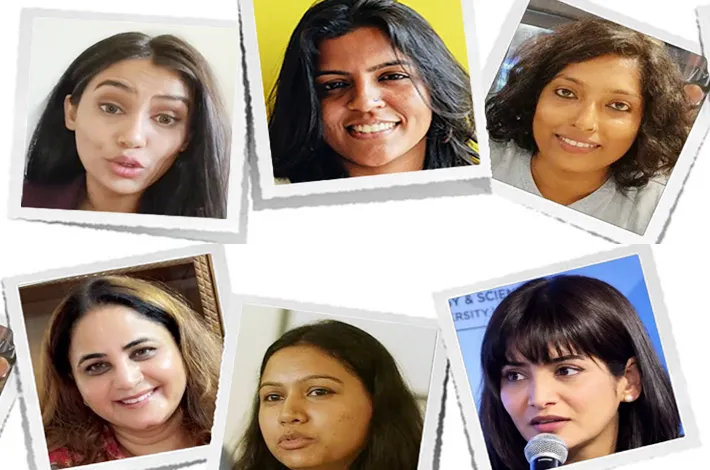
The issue has particular relevance in India, which has one of the world’s largest internet-user populations and a rapidly growing creator economy. Influencers on YouTube, Instagram, ShareChat, Moj and other platforms shape opinions on diet, Ayurveda, mutual funds, UPSC preparation, property law and mental health. Viral health claims, investment promises and misleading legal or educational advice have repeatedly triggered public concern.
India already has regulations addressing parts of the problem. The Information Technology Rules impose due-diligence obligations on platforms, while SEBI acts against unregistered investment advisers. Medical advertising is subject to restrictions, and consumer-protection laws cover misleading claims. Yet enforcement often struggles to keep pace with viral content, while creators frequently operate in grey areas by presenting advice as “personal experience”.
A China-style credential mandate would face challenges in India. Degrees do not always guarantee practical competence, while many experienced practitioners, community educators, traders and journalists may lack formal qualifications. Mandatory verification could also burden smaller creators more than large, well-resourced influencers and raise free-speech concerns.
At the same time, the consequences of bad advice can be serious, with families losing savings, patients delaying proper treatment and students’ spending money on ineffective courses. The debate, therefore, is not simply about degrees, but how to balance expertise, accountability, public safety and open access to information.
Possible Middle Paths for India
India could consider layered measures instead of a blanket “no degree, no advice” rule. These could include clear credential labelling, stronger platform accountability for harmful specialist content, faster action against scams and dangerous medical claims, and sector-specific codes. Platforms could promote verified professionals while preserving space for informed public discussion and lived experience. Digital literacy campaigns should also help users assess sources. The challenge is to balance public safety, expertise, accountability and free expression without restricting India’s diverse online discourse.