23 July, 2026 | 9:18 AM


Bottled water habit raises health concerns
10-03-2026 12:00:00 AM
Metro India News | Hyderabad
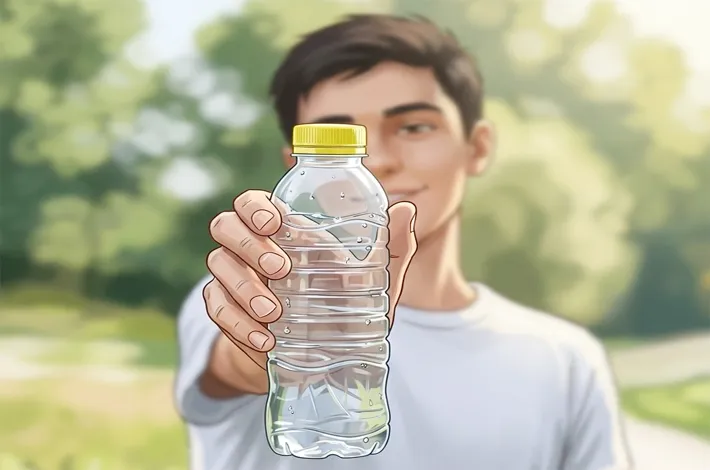
Daily use of plastic water bottles is increasingly raising health concerns in India, where millions rely on packaged water while travelling, commuting, or living in urban areas. Health experts now recommend switching to filtered water stored in steel or glass containers to minimize exposure to microplastics and chemical residues.
A review led by researcher Sarah Sajedi of Concordia University found that regular consumption of bottled water could lead to ingestion of nearly 90,000 additional microplastic particles each year. The review, which analyzed over 140 studies and was published in the Journal of Hazardous Materials, notes that microplastics—fragments ranging from one micron to five millimeters—can form during the production, storage, transport, and breakdown of plastic bottles.
India’s consumption of bottled water has grown rapidly, with more than 14 billion bottles used annually. While convenient, repeated use of single-use bottles may carry hidden health risks. Plastic containers can release chemicals such as bisphenol A (BPA) and antimony, especially when exposed to heat or sunlight, which are common during Indian summers. These endocrine-disrupting compounds can interfere with hormonal systems, and long-term exposure has been linked to diabetes, obesity, reproductive disorders, and certain cancers.
Microplastic contamination is another concern. Tests in cities like Nagpur and Mumbai have detected microplastic particles in all bottled water brands sampled. Researchers warn that these particles may cross biological barriers, enter the bloodstream, and trigger inflammation or oxidative stress. The risk increases when bottles are squeezed, stored for long periods, or exposed to high temperatures, situations often seen in India during transportation or outdoor storage.
Environmental experts also highlight the waste footprint of plastic bottles. India generates over 126 million kilograms of plastic pollution entering oceans annually, with discarded bottles contributing significantly. Despite recycling efforts, a large portion still ends up in landfills, rivers, and coastal areas.
Scientists emphasize that long-term cumulative exposure to microplastics, rather than immediate toxicity, is the main concern. Emerging research links them to immune system disruption, hormonal imbalance, and chronic inflammation, though further studies are needed.
While bottled water remains important in emergencies or during travel, public health experts advise reducing routine dependence. Simple alternatives include home filtration systems, refill stations, and reusable steel or glass containers, which can protect both health and the environment.