16 October, 2026 | 12:44 AM


A salute to the invisible angels
16-10-2026 12:00:00 AM
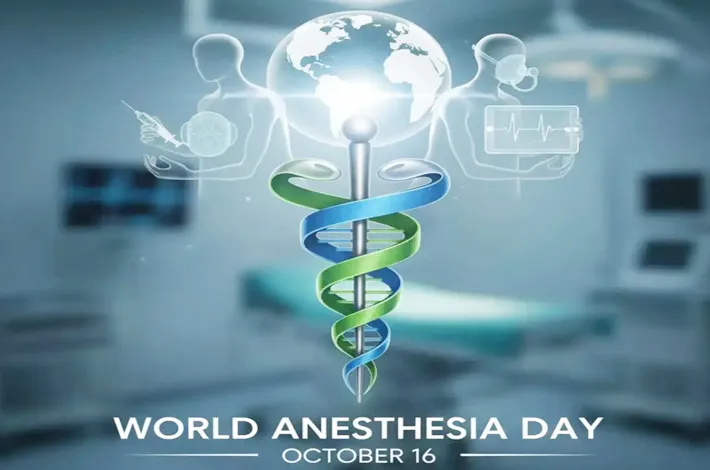
“Best thing about modern living is Anaesthesia” – Meg Ryan
On 16th October 1846, an American Dentist, William Thomas Green (now called Father of ModernAnaesthesia), successfully administered Ether publicly at Boston, Massachusetts, demonstrating that surgery can be “painless”. There is a monument to commemorate this great occasion called “Ether Dome”. In many reputed surveys, the discovery of Anaesthesia ranks as one of the discoveries of all times. Now-a-days a patient feels surgery only when Anaesthesia fails.
It is difficult to envisage the progress of surgery without Anaesthesia. From crude anaesthetic techniques such as patient restraint, herbals, morphine, alcohol, etc. anaesthesia evolved greatly as a Science, removing the unbearable physical pain, psychological trauma to a safe and pleasant experience. No more “just the speed of surgery”, which used to compromise procedure and patient safety, the surgeon can now, delicately and meticulously operate, without time constraints, with better outcome.
What does The Aneasthesiologist do?Anaesthesiologistsare well-trained physicians who take comprehensive care of the patient, before, during and after surgery. They optimize patient medical condition preoperatively, maintain all vital functions such as blood pressure, heart rate, temperature, breathing and all organ function during surgery. They take care of pain intra and post operatively, provide best conditions for a surgeon to operate and create the safest possible conditions for surgery.
Their role is vital in ensuring patient comfort, safety, and successful surgical outcomes.The motto of the Indian Society of Anaesthesiologists (ISA) is “Eternal Vigilance”, reflecting the constant attention and dedication required in this specialty.
Beyond the Operating Theatre - The role of anaesthesiologists now extends far beyond the operating theatre through Non-Operating Room Anaesthesia (NORA) services. They play a critical role in Intensive Care Units (ICUs) and critical care medicine, Respiratory care, Trauma and emergency services, Pain-free labour and obstetric analgesia, Chronic pain management clinics, Endoscopic procedures, Cardiac catheterization laboratories, MRI and imaging suites and Day-care surgeries. Their contributions, though often behind the scenes, are essential to modern healthcare. The COVID-19 pandemic clearly demonstrated their indispensable role in critical care and life support.
The World Federation of Societies of Anaesthesiologists (WFSA) has adopted the sloganfor 2026:“Anaesthesiology Along the Patient Pathway”. This theme emphasizes the continuous care provided by anaesthesiologists before, during, and after surgical procedures.
Advances in Safety - In the past, anaesthesia was a significant contributor to surgical morbidity and mortality. Today, thanks to advances in monitoring technology, safer drugs, improved techniques, and rigorous safety protocols, anaesthesia-related risks have been dramatically reduced.Modern anaesthetic practice incorporates alarm systems, equipment checks, safety checklists, and multiple backup measures similar to those used in the aviation industry. As a result, highly complex procedures such as neuro, cardiac, transplant, robotic, plastic, and paediatric surgeries are now routinely performed with excellent safety records and successful outcomes.
On this World Anaesthesia Day, let us recognize and salute these often-unseen healthcare heroes. Working tirelessly while patients sleep, anaesthesiologists safeguard lives, relieve pain, and make modern surgery possible. They are the invisible angels who keep humanity safe, pain-free, and alive.
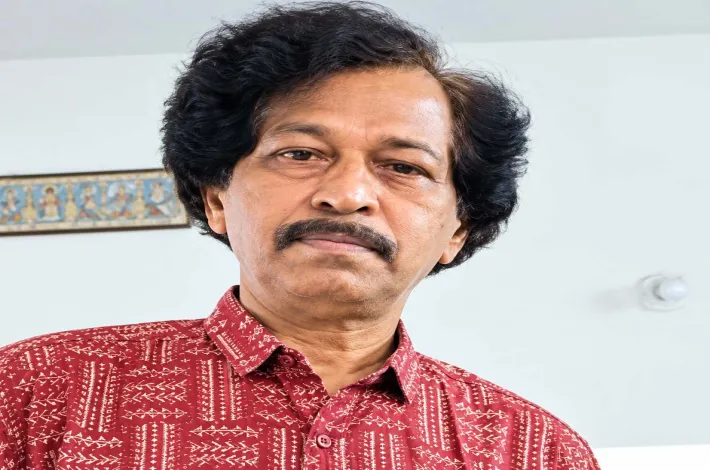
– Dr T Rambabu,
MD, Retd Professor&
Head of Anesthesiology