16 October, 2026 | 12:40 AM


NANDAN NILEKANI PITCHES AI EXAMINATION
16-10-2026 12:00:00 AM
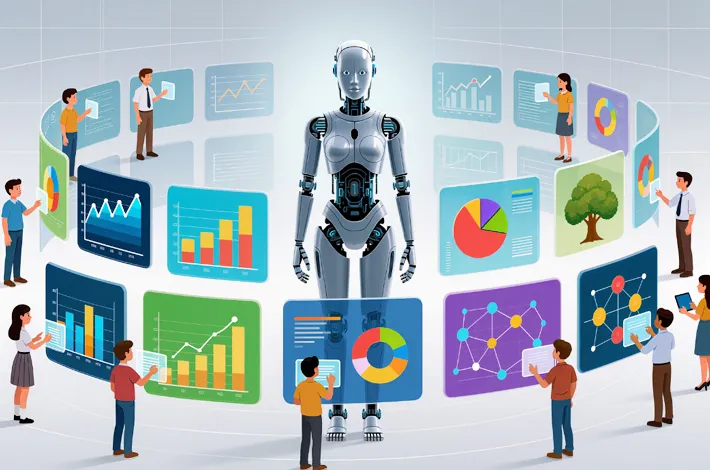
Paper Leaks vs AI
Nilekani’s proposal sparks debate over security, fairness and the future of competitive examinations
The moment you have a question paper then that creates an economic incentive for that to be sold
-Nandan Nilekani,
Co-founder, Infosys
I am not opposed to technology or AI. However, making exams fully computer-based risks new barriers for talented children in remote villages without computer access. Remote centers may not match metro facilities and security. Fix systemic weaknesses, not make opportunities harder for the poor. Exams must identify talent everywhere, not showcase technology.
-Anand Kumar
Founder, Super 30 coaching center
metro india news I hyderabad
The suggestion by Infosys co-founder Nandan Nilekani to generate examination question papers at the last minute has triggered a debate over whether technology can finally end the recurring problem of paper leaks in India’s high-stakes examinations. While supporters see it as a practical way to eliminate the illegal market for question papers, critics warn that artificial intelligence (AI) cannot be allowed to compromise examination standards or disadvantage students from underprivileged backgrounds.
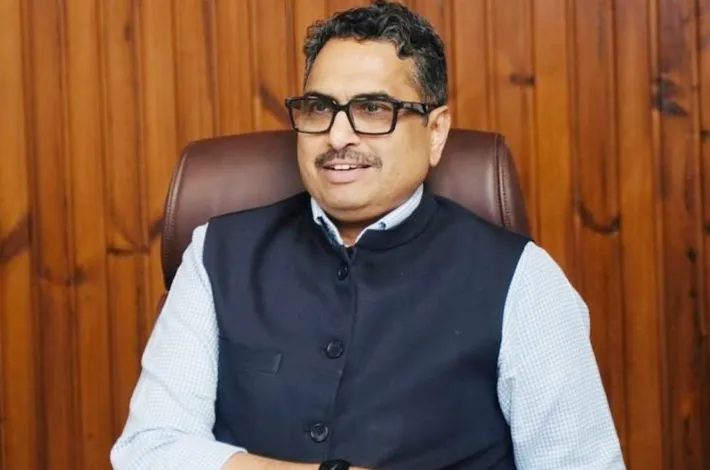
Nilekani, who heads the government’s high-powered task force on examination reforms, proposed creating a massive question bank and using technology to assemble papers shortly before examinations. He also advocated expanding computer-based testing (CBT) across the country.
“The moment you have a question paper then that creates an economic incentive for that to be sold,” Nilekani said, explaining why papers should be generated at the last minute from a massive question bank. However, many educationists have come out strongly opposing the idea.
Anand Kumar, Founder, Super 30 coaching center says, “I am not opposed to technology or AI. However, making exams fully computer-based risks new barriers for talented children in remote villages without computer access. Remote centers may not match metro facilities and security. Fix systemic weaknesses, not make opportunities harder for the poor. Exams must identify talent everywhere, not showcase technology.”
“The worst thing about preparing paper at the last moment is the challenge of balancing different units of the curriculum, the relative weightage and type of questions to be included in the final paper. It is going to fail miserably,” said an NTA-associated teacher.
The logic is straightforward. If the final paper does not exist until shortly before the examination, those seeking to buy or sell it would find it considerably harder to obtain advance access. A large question bank could also allow different papers to be generated for different sessions, reducing dependence on a single confidential document.
Supporters argue that technology-driven reform, combined with secure digital delivery, could reduce the number of people handling confidential papers and strengthen accountability. However, these benefits would depend on robust security systems and careful implementation.
Can AI guarantee quality?
Anand’s concern highlights a critical issue: preventing leaks is only one part of conducting a fair examination. Questions must also be factually correct, relevant to the prescribed syllabus and comparable in difficulty. If AI-generated papers vary significantly in complexity, students appearing in different sessions could be unfairly assessed. A question bank would therefore require rigorous vetting by subject experts, regular updates and a reliable system to ensure that every paper tests the same competencies at a comparable level.
AI should assist experts rather than replace their final judgement. Human oversight would remain essential to detect ambiguous questions, errors and unintended bias.
The proposed expansion of computer-based testing also raises concerns about access. Students in remote areas and from economically weaker families may have limited experience with computers or inadequate access to reliable digital infrastructure.
Technology is not enough
Ultimately, last-minute paper generation could be an important component of examination reform, but it cannot independently eliminate corruption. Authorities must also strengthen monitoring, investigate organised leak networks, fix accountability for security failures and ensure swift action against those responsible.
Nilekani has described such vulnerabilities as solvable systemic issues. The challenge is to translate that confidence into a system that is secure, transparent and fair.
India needs an examination system in which question papers cannot be bought, technology does not become a new source of inequality, and every candidate is assessed on merit. The success of Nilekani’s proposal will ultimately depend not on how advanced the technology is, but on whether it delivers that promise.