24 September, 2026 | 11:00 PM


Will Ind-Bangladesh relations change for the better?
16-02-2026 12:00:00 AM
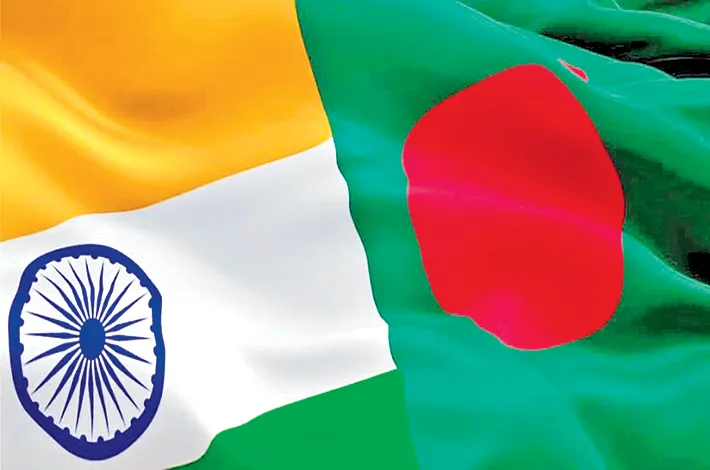
In a dramatic turn of events, Tarik Rahman, often dubbed the "dark prince" of Bangladesh politics, has emerged from the shadows of his family's legacy to claim a decisive victory. On Friday, his Bangladesh Nationalist Party (BNP) swept the parliamentary elections, securing a two-thirds majority and positioning Tarik as the incoming prime minister. This outcome marks a significant shift in Dhaka's power dynamics, especially after the turbulent ouster of Sheikh Hasina in 2024. India, a keen observer of the polls, wasted no time in extending congratulations to Tarik even before the official results were declared, signalling New Delhi's intent to mend strained bilateral ties.
Historically overshadowed by his parents—former President Ziaur Rahman and former Prime Minister Khaleda Zia—Tarik has carved out his own vision for Bangladesh. His campaign slogan, "Not Dilli, not Pindi(Rawalpindi)—Bangladesh before everything," underscores a foreign policy aimed at maintaining equidistance from both India and Pakistan. In his inaugural address, Tarik steered clear of stoking anti-India sentiments that had intensified following the killing of radical leader Sharif Usman Hadi.
While the BNP manifesto avoids direct references to India, key pledges include securing equitable water shares from the Teesta and Padma rivers—deemed essential for Bangladesh's survival—and halting border killings. With five Indian states bordering Bangladesh, including West Bengal's extensive stretch, these issues could either foster cooperation or reignite tensions. The election results have sparked widespread debate on whether Tarik's leadership heralds a reset in India-Bangladesh relations. Experts argue that the BNP's triumph represents a firm rejection of the Islamist agenda pushed by the Jamaat-e-Islami and its allies.
During a recent discussion on the implications of this political upheaval, a former Indian High Commissioner to Bangladesh highlighted the significance of the BNP's landslide. She noted that pre-election polls had anticipated either a Jamaat dominance or a coalition government, but the outcome was a clear repudiation of Islamism. "This is a very firm rejection by the people of Bangladesh of the Islamism that the Jamaat-e-Islami and its parties put together," she emphasized, pointing to the interim regime under Muhammad Yunus, which she described as unconstitutional and heavily influenced by Islamist groups.
She elaborated on the 18-month period following the 2024 regime change, during which Jamaat wielded power behind the scenes, infiltrating institutions and even student unions. She cited examples like the dominance of Jamaat's youth wing in university elections and the push for Sharia law, despite official denials. The backlash against derogatory remarks on women by Jamaat leaders, combined with the absence of the Awami League from the polls, shifted votes toward the BNP, including from minorities and women. Addressing past frictions during the BNP's 2001-2006 rule—such as sheltering Northeast Indian insurgents and attacks on Hindus—she observed a more mature approach this time. Tarik has prohibited celebrations, engaged positively with Indian leaders, and even unlocked the Awami League's offices, signalling inclusivity.
A retired army Major General, a global and strategic defence expert, cautioned that Tarik faces multiple constraints. He pointed to the anti-India plank that fueled the protests leading to Hasina's ouster, which could limit how closely Tarik aligns with New Delhi. Additionally, Pakistan's deepening embedding in Bangladesh—through military exchanges and ISI influence—and China's firm foothold complicate the landscape. "Pakistan is going to be a dark horse in this whole situation," he warned, noting signed MOUs and visits that have strengthened these ties over the past 18 months. He also highlighted economic pressures and the U.S.-China rivalry as factors influencing Tarik's decisions. He advocated for India to engage in "fluid diplomacy," balancing firmness with flexibility to navigate uncertainties and contradictions in Bangladesh.
A foreign affairs expert added a layer of cautious optimism, acknowledging the BNP's victory as preferable to the Jamaat-backed proxy government but warning of lingering risks. He described Bangladesh as an "anglicized society to a certain extent but not entirely secular," and praised Sikri's pre-election prediction of a strong BNP showing. He noted the disillusionment with Yunus's regime, evident in the poor performance of the student-led MCP, which won only six seats. However, he stressed the need for the BNP to undo entrenched wrongs, including radical elements and Pakistani influence.
"A lot would depend upon how much this government will be in a position to undo the wrongs," he said, referencing historical lows like the Chittagong Arms Haul incident during previous BNP rule. He also raised concerns about street power still residing with Jamaat, which could destabilize the government through violence. He emphasized re-institutionalizing the police, resuming education, and addressing economic crises like shuttered textile factories and job losses. While Hindu leaders' victories suggest a reaffirmation of inclusivity, he warned against lowering guards on border issues, including unfenced areas prone to infiltration and terrorism. He speculated on U.S. pressure for accommodations like elevating Yunus to president and cautioned that quick results might be elusive, potentially inviting another regime change. "It's too premature to presume that peace would return within Bangladesh," he concluded, urging vigilance amid hopes for neutral, cooperative relations. As Bangladesh embarks on this new era under Tarik Rahman, the interplay of domestic priorities, regional influences, and historical baggage will shape its trajectory. For India, engaging constructively while addressing core concerns like water sharing, border security, and Sheikh Hasina's fate could pave the way for stability .