2 June, 2026 | 11:33 AM


Telangana government unveils global digital connectivity program
16-02-2026 12:00:00 AM
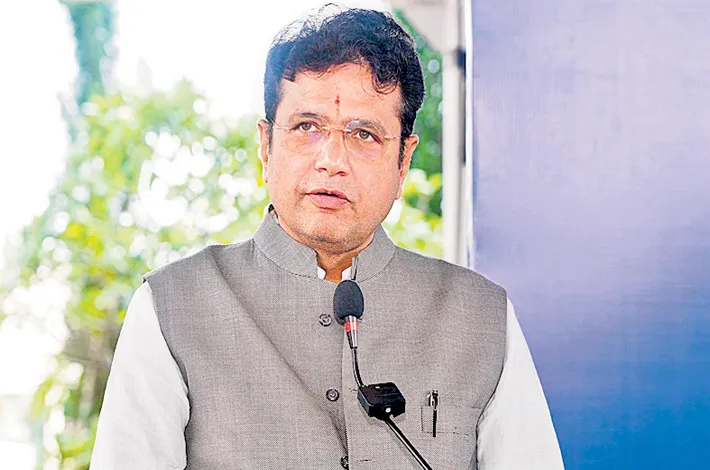
The Telangana government is spearheading a transformative digital revolution through its ambitious T-Fiber project, aiming to deliver high-speed internet to every household and bridge the urban-rural digital divide. This initiative positions the state as a leader in India's digital transformation, extending connectivity from villages to global standards. Under the visionary guidance of IT and Industries Minister Duddilla Sridhar Babu, the T-Fiber project—officially known as Telangana Fiber Grid—has laid approximately 43,000 kilometers of optical fiber cable across the state.
This extensive network connects districts, mandals, and villages, providing reliable, high-speed broadband infrastructure.The project goes beyond basic connectivity. It offers a bundle of services at an affordable price—around Rs 350 per month (with potential for further reductions, as indicated by T-Fiber Managing Director Venu Prasad)—including high-speed internet, cable TV, OTT streaming, virtual desktop infrastructure (turning TVs into computers), AI tools, telemedicine, CCTV surveillance, e-education platforms like T-SAT, Voice over IP, and citizen feedback systems.
High-speed fiber-to-the-home (FTTH) technology ensures low latency and stable data transmission, far superior to traditional copper or wireless connections. This enables real-time applications such as online meetings, cloud computing, and AI-driven services. In education, the government has connected thousands of schools, with recent efforts linking over 500 rural government schools in just 30 days. Students gain access to live classes, digital labs, interactive learning, and AI-based personalized tools from the school level onward.
The project integrates AI education early, empowering youth for future innovation. Healthcare in rural areas benefits through telemedicine, connecting village health centers to specialist doctors in cities via video consultations, digital reports, and prescriptions—reducing travel, costs, and delays for vulnerable groups like pregnant women and the elderly. Agriculture sees gains with market price updates, weather forecasts, crop disease detection via image recognition, and expert advice delivered digitally to farmers at Rythu Vedikas (farmer platforms), many already linked to the network.
Entertainment evolves with integrated cable TV and OTT on a single fiber connection, delivering high-definition channels, minimal disruptions, and diverse content—even in remote areas—narrowing the urban-rural entertainment gap.A standout feature is the Virtual Desktop Infrastructure (VDI), allowing households without personal computers to use their TV screens as full desktops via cloud access.
With a keyboard and mouse, users can browse, type, learn coding, take online exams, access government services, and more—promoting digital equality where TVs are ubiquitous even if computers are not.The project also enhances governance through citizen feedback systems, enabling ratings, complaints, and suggestions on public services via apps, portals, or chatbots—boosting transparency, accountability, and efficiency in areas like municipal works, electricity, water, and health.
Information on central and state welfare schemes reaches villages directly, allowing eligible residents to apply online, view beneficiary lists, and access documents transparently. The initiative's success stems from a successful pilot phase in select villages, including Adavi Srirampur in Peddapalli district—now famously dubbed "AI Srirampur." This village hosts Telangana's first rural AI lab at a government school, where students engage with world-class digital tools, generating significant data usage and earning international recognition.
The pilot demonstrated clear improvements in education, healthcare, agriculture, and e-services, leading to statewide expansion. Nationally and internationally, T-Fiber has drawn praise. Union Communications Minister Jyotiraditya Scindia hailed it as a model for other states at the India Mobile Congress. World Bank representatives studied its implementation, and Perplexity AI CEO Aravind Srinivas commended the high internet adoption in government schools.
As of early 2026, T-Fiber continues advancing, with ongoing connections to institutions, households, and enterprises, and complementary efforts like underground cabling in urban areas for enhanced reliability. By making digital tools affordable and accessible, Telangana is not just connecting people to the internet—it's connecting them to opportunities, knowledge, health, and a brighter future. From village homes to global platforms, the state is paving the way for inclusive growth in the digital age.