29 November, 2026 | 12:02 AM


Terra Insights with Ruthik
29-11-2026 12:00:00 AM
Rediscovering the therapeutic power of forests
Healthcare is often synonymous with hospitals, medicines and advanced medical technology. Yet, the healing potential of forests and natural ecosystems remains largely underappreciated. For centuries, forests have been humanity's natural pharmacies, sustaining communities through medicinal plants, freshwater, food and ecological services. From Ayurveda to traditional Chinese medicine, nature has been deeply woven into healing traditions.
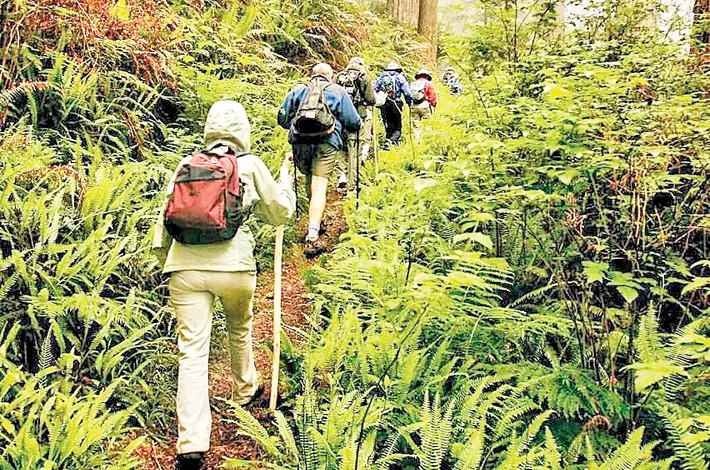
However, rapid urbanization and shrinking green cover have gradually severed this age-old connection. Reintegrating nature into everyday life could therefore offer a powerful avenue for preventive healthcare. One compelling example is Japan's Shinrin yoku, or forest bathing, introduced in 1982. It encourages individuals to immerse themselves in the forest environment through mindful walking, conscious breathing and sensory engagement.
Rather than strenuous exercise, it emphasizes slowing down and absorbing nature through sight, sound, smell and touch. Studies across 24 Japanese forests recorded lower cortical levels, reduced heart rates and blood pressure, and enhanced parasympathetic nervous activity among participants. These physiological responses suggest that forest exposure can activate the body's relaxation mechanisms and mitigate stress.
Beyond Japan, several countries have embraced nature-based therapeutic interventions. South Korea's forest-healing programs combine guided walks, meditation, breathing exercises and exposure to natural sounds to promote physical and psychological restoration. In the United Kingdom, green social prescribing connects individuals with community gardening, walking groups and conservation activities to address loneliness, anxiety and physical inactivity.
Therapeutic gardens in hospitals offer patients and caregivers tranquil spaces that complement conventional treatment. Meanwhile, green exercise combines physical activity with natural surroundings, while European forest schools introduce children to outdoor learning, fostering physical development, cognitive engagement and ecological awareness.
The health dividends of these interventions extend across biological, psychological and social dimensions. Exposure to green spaces can attenuate stress responses, improve mood, support cardiovascular health and encourage physical activity. At the environmental level, urban vegetation moderates heat, intercepts certain air pollutants, reduces noise and facilitates social interaction. Thus, nature functions not merely as a recreational refuge but as a valuable determinant of public health.
For India, these approaches hold considerable promise amid mounting urban pressures and dwindling green cover. Urban forestry, biodiversity parks, green corridors, Miyawaki plantations and therapeutic gardens must become integral to urban planning. At the individual level, cultivating home gardens, walking beneath tree canopies, practicing outdoor yoga, observing birds and spending time in neighbourhood parks can help restore our connection with nature. Such modest interventions can yield meaningful dividends for physical and mental well-being.
Ultimately, forests must be regarded as more than ecological assets; they are indispensable pillars of preventive healthcare. Hospitals treat ailments, but healthy ecosystems help safeguard the conditions necessary for healthier lives. It is time to move from a disease-centric approach to a nature-inclusive model of healthcare, where protecting the environment also means protecting human health.

-Ruthik Rao Pulloor The author specialises in forestry