29 November, 2026 | 12:02 AM


Ethics begins before rules
29-11-2026 12:00:00 AM

Every society depends on laws, rules and regulations to maintain order and ensure accountability. However, beyond these formal requirements lies a more fundamental question: What is the right thing to do? This question forms the foundation of ethics, which plays a crucial role in shaping individual character, institutional integrity and responsible governance. While laws prescribe the minimum standards required for society to function, ethics encourages individuals to rise above mere compliance and act according to moral principles.
A person may follow every regulation but still fail to uphold the true spirit of public service. Similarly, ethical convictions have historically inspired societies to reform laws that were inadequate or unjust. Thus, ethics does not conflict with law but provides it with moral direction. The distinction between law and ethics is particularly significant in public administration. These provisions are essential to ensure accountability and protect public interest. However, no set of rules can anticipate every situation that an administrator may encounter. Governance often involves balancing competing responsibilities that require sound judgment rather than mechanical adherence to procedures.
For instance, during a devastating flood, a District Collector may face the challenge of balancing financial regulations with the urgent need to provide relief to affected families. While public funds must be utilized responsibly, delays in administrative approvals could worsen human suffering. In such circumstances, ethics helps administrators make decisions that protect public resources while prioritizing the needs of vulnerable communities. Ethical failures often begin with seemingly insignificant compromises, such as granting favors, overlooking conflicts of interest, taking unnecessary procedural shortcuts or avoiding uncomfortable truths. Conversely, integrity develops through consistent everyday actions, including treating citizens equally, refusing preferential treatment, maintaining transparency and acknowledging mistakes.
Indian philosophical traditions have long emphasized the relationship between character and conduct. The Upanishads highlight the importance of combining knowledge with righteous living, while the Bhagavad Gita advocates disciplined action guided by discernment, self-control and commitment to duty without selfish attachment. These principles underline that ethics is not simply about external compliance but also about developing inner character.
The Indian Constitution similarly reflects ethical values through its commitment to justice, liberty, equality and human dignity. Constitutional morality requires public servants to uphold these principles not merely because they are legally mandated but because they form the foundation of India's democratic system. Many difficult administrative decisions involve choosing between two legitimate objectives, such as economic development and environmental protection, efficiency and procedural fairness, or immediate demands and long-term institutional interests.
Resolving these competing priorities requires experience, impartiality, humility and an unwavering commitment to public welfare. Ultimately, ethical responsibility cannot be delegated. Although administrative decisions may involve committees and departments, individual officers remain accountable for their judgments and actions. Public administration is therefore not merely a technical profession but an ethical responsibility.
Ethics gives meaning to every other discipline. Economics without ethics can deepen inequality, technology without ethics can undermine human dignity, and law without ethics can become merely procedural. Similarly, administration without ethics risks becoming powerful but insensitive. Laws provide the framework of governance, but ethics provides its soul. The true measure of an effective civil servant lies not simply in the ability to follow rules but in the wisdom, integrity and compassion with which those rules are interpreted and implemented in the service of the Constitution and its citizens.
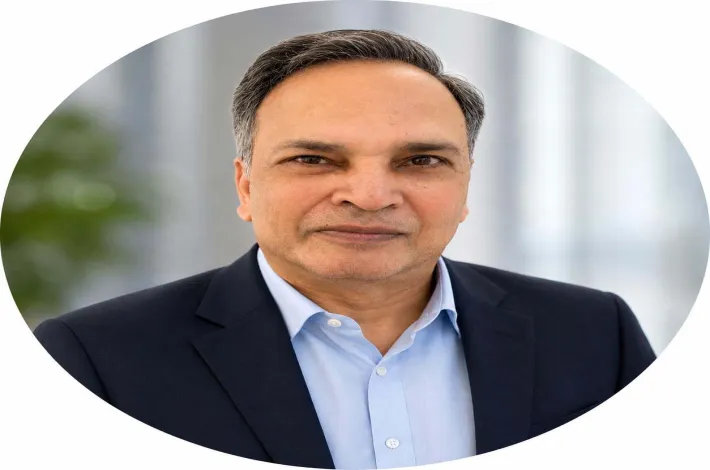
- S K Joshi served as Chief Secretary of Telangana
from February 2018 to
December 2019