21 September, 2026 | 9:25 AM


Rs 105 cr oxygen plants lie idle, hospitals buy oxygen
04-08-2026 12:00:00 AM
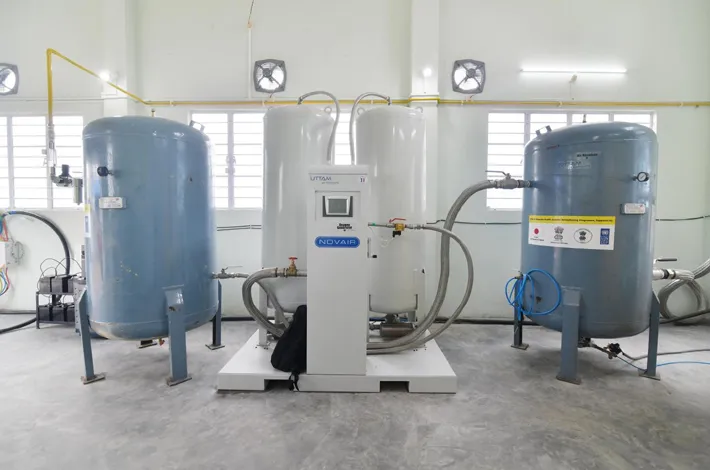
- Out of 162 PSA oxygen plants, 161 are non-functional
- Govt hospitals spent Rs 180.82 crore on oxygen between 2022 and 2026, nealry double the Rs 95.43 crore spent during pandemic years
KIRANMAI TUTIKA | AMARAVATI
Built in the middle of the COVID-19 crisis to prevent oxygen shortages and save lives, over 160 Pressure Swing Adsorption (PSA) oxygen generation plants installed across Andhra Pradesh’s government hospitals have largely fallen into disuse. Even as these plants remain idle, hospitals continue to spend heavily on purchasing Liquid Medical Oxygen (LMO) from external suppliers, prompting the state government to initiate a comprehensive review of oxygen procurement and utilisation.
Health Minister Satya Kumar Yadav on Monday ordered a detailed audit of oxygen consumption and procurement after officials flagged a sharp rise in oxygen purchases even years after the pandemic. The government has constituted a committee to examine oxygen demand, supply patterns and the viability of reviving the PSA plants, which were established at a cost of nearly Rs 105 crore with Central government assistance.
Official figures reveal that government teaching hospitals spent Rs 60.51 crore on liquid medical oxygen during the four years preceding COVID-19 (2016-20). During the pandemic years of 2020-21 and 2021-22, oxygen procurement stood at Rs 95.43 crore. Surprisingly, in the four years after the pandemic (2022-26), expenditure climbed further to Rs 180.82 crore, despite the emergency having subsided.
While officials attributed part of the increase to the establishment of new hospitals and additional beds, the minister observed a significant mismatch between the projected oxygen demand and actual consumption. He directed officials to identify areas where procurement costs could be rationalised without affecting patient care. It also highlighted the poor utilisation of the PSA plants. Of the 162 oxygen generation units installed across government hospitals, 161 remain non-functional or unused due to issues such as inadequate oxygen purity for certain clinical requirements, lack of trained technical personnel, maintenance challenges and the absence of separate pipeline systems for intensive care units and general wards.
Officials informed the minister that restoring and maintaining these plants would require substantial additional expenditure. The government has now sought a technical and financial assessment to determine whether reviving the facilities is economically viable or whether alternative options should be explored.
As part of the exercise, oxygen procurement and consumption patterns in selected teaching, district and area hospitals will be studied over the next two months. The committee will also examine reports of oxygen leakages during storage and distribution and recommend measures to prevent wastage. Based on its findings, the government intends to streamline oxygen procurement so that future purchases reflect actual medical demand rather than post-pandemic practices.