26 August, 2026 | 8:20 AM


Prashna Raavan arrest sparks debate on free speech
12-07-2026 12:00:00 AM
Metro India News | AMARAVATI
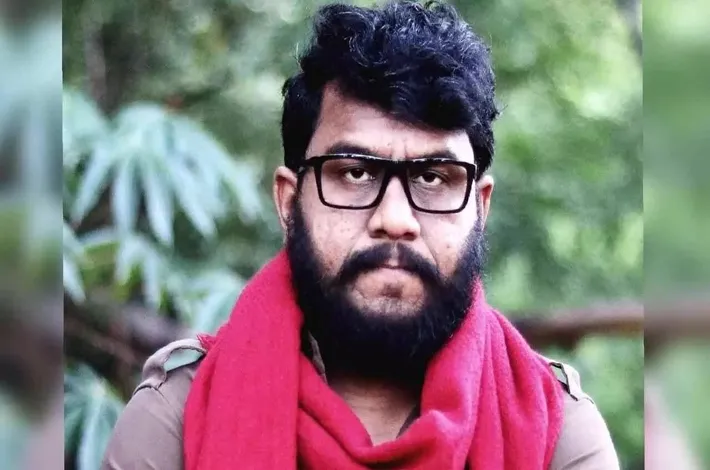
Andhra Pradesh has been witnessing an intense political and legal confrontation following the arrest of Telugu YouTuber and social media commentator Bachalakuri Joseph, popularly known as Prashna Raavan. What initially began as multiple cases over controversial speeches and online content has now evolved into one of the state’s most contentious political controversies, with the Andhra Pradesh Police invoking the stringent Unlawful Activities (Prevention) Act (UAPA) against him.
Prashna Raavan, who operates the digital platform Prashna, has, over the years, emerged as a vocal critic of the ruling TDP-Jana Sena-BJP coalition government’s policies on governance, caste issues and social justice. The controversy reached a flashpoint on June 28, when Raavan addressed the Dalita Kraisthava Samara Sankharavam meeting in Eluru. During his speech, he criticized the state government’s handling of Dalit issues and made sharp remarks against Chief Minister Chandrababu Naidu and Deputy Chief Minister Pawan Kalyan.
The speech triggered political outrage with leaders of the Jana Sena Party filing complaints in multiple districts, alleging that his remarks promoted communal disharmony and hurt public sentiments. Police launched an extensive investigation, leading to Raavan’s arrest in Hyderabad on June 30. He was booked under provisions of the Bharatiya Nyaya Sanhita and the Information Technology Act and produced before a magistrate.
Following his first arrest in the Eluru case, Raavan was successively taken into custody by police from Sarpavaram, Machilipatnam, Inaguduru, Payakaraopeta and finally Gannavaram. Between June 30 and July 5, he was arrested five times in less than a week despite obtaining bail in individual cases. The legal stakes escalated dramatically on July 5, when Gannavaram Police invoked the Unlawful Activities (Prevention) Act (UAPA), India’s principal anti-terror legislation.
According to the police remand report, a digital forensic examination of Raavan’s electronic devices allegedly uncovered Maoist literature and other material linked to extremist ideology. Investigators further alleged that videos published on his YouTube platform praised wanted Maoist commander Madvi Hidma and attempted to radicalize youth against the sovereignty and integrity of the Indian state. On July 6, a magistrate accepted the remand request of the police, placing Raavan under 14 days of judicial custody, after which he was shifted to Nellore Central Prison.
According to government, the decision to invoke UAPA was based on digital evidence collected and was taken strictly within the framework of law, rejecting allegations of political vendetta. On the other hand, the opposition YSR Congress Party, led by former Chief Minister Y.S. Jagan Mohan Reddy, has strongly criticized the government’s actions. YSRCP leaders questioned the necessity of invoking an anti-terror law against a YouTuber, arguing that such measures create a chilling effect on democratic discourse and freedom of expression.
Several Dalit organizations, civil rights groups, activists and legal experts have echoed similar concerns. They argue that while any unlawful activity must be investigated thoroughly, the use of UAPA against a digital commentator sets a significant legal precedent that warrants careful judicial scrutiny. As the investigation progresses and the judiciary examines the legality of the UAPA charges, the outcome is expected to have far-reaching implications for political speech, social media regulation and civil liberties, not only in Andhra Pradesh but across the country.