13 September, 2026 | 12:06 AM


Padmavathi Reddy calls for women-friendly infra
13-09-2026 12:00:00 AM
- Seeks mandatory public toilets for women in commercial establishments
- Calls for zero tolerance on sanitation and waste
Metro India News | Hyderabad
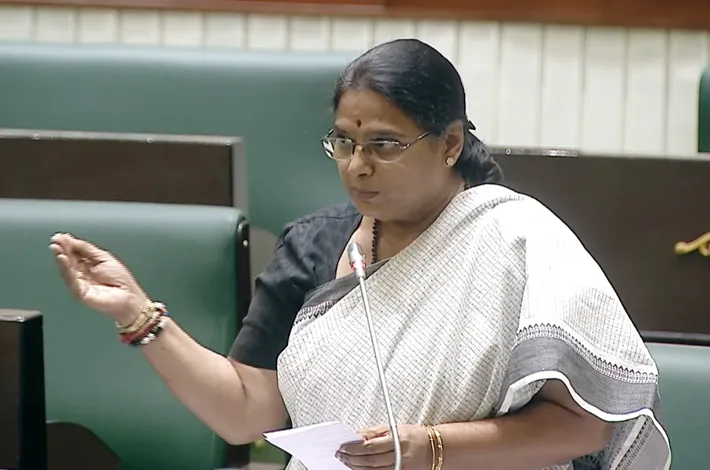
Kodad MLA N. Padmavathi Reddy on Saturday called for women-friendly infrastructure to be made an integral part of Hyderabad’s future urban planning, with mandatory public toilets for women in commercial buildings and strict enforcement of sanitation and solid-waste management standards.
Participating in the discussion in the Telangana Legislative Assembly on the Core Urban Region (Integrated Governance) Bill, 2026, Padmavathi Reddy extended her full support to the legislation and said the new framework should be used to shape Hyderabad into a cleaner, safer, sustainable and globally competitive metropolis.
She said the Bill’s emphasis on environmental sustainability, climate action, gender inclusion, universal accessibility, inclusive design, traffic management and solid-waste management provided an opportunity to adopt a broader and more people-centric approach to urban development.
Drawing particular attention to the difficulties faced by women in accessing toilets in public places, the MLA proposed that every new shopping complex and commercial building, including those on private property, should mandatorily provide a toilet for women that could also be accessed by the public.
“Even a small space of six feet by six feet can be earmarked for the purpose. The management can maintain the facility and display a board stating that it is available for public use,” she suggested.
Padmavathi Reddy said the absence of adequate and clean toilet facilities caused serious inconvenience to women while travelling, shopping or working outside their homes. Providing such facilities across commercial establishments would significantly improve women’s dignity, safety and freedom of movement in urban spaces, she said. She urged the government to treat public sanitation, women’s toilets and solid-waste management as ‘zero-tolerance’ civic requirements, incorporating them into building permissions, master plans and all future urban-development proposals.
Referring to the inclusion of several villages and newly developing areas under the proposed urban framework, Padmavathi Reddy said the government now had an opportunity to plan these areas systematically before haphazard development took place.
She also advocated greater involvement of professional architects and urban planners in preparing development and redevelopment plans. Their expertise, she said, could help find practical solutions even in already developed areas without causing undue inconvenience to existing residents.
Padmavathi Reddy said the CURE Bill should ultimately translate the vision of urban transformation into improvements that citizens could experience in their everyday lives. She said Hyderabad’s growth as a global metropolis should be guided not merely by infrastructure expansion, but by sustainability, inclusiveness, cleanliness, accessibility and sensitivity to the specific needs of women.