24 July, 2026 | 11:37 AM


‘Musi Rejuvenation is about heritage, jobs, and progress’
14-03-2026 12:00:00 AM
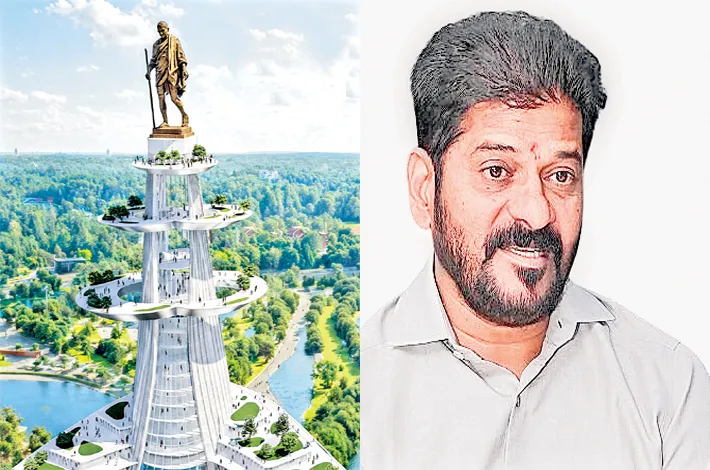
Human civilization has always flourished around rivers. “This initiative is not merely about rejuvenating the Musi River; it is also about preserving our culture and history,” said Chief Minister Revanth Reddy on Friday. Criticizing the opposition, he added, “Some individuals, either intentionally or due to incomplete information, are propagating half-truths designed to create public anxiety.”
“Why are they standing in the way of development?” he asked. “Shouldn’t we provide proper infrastructure to the poor? Shouldn’t we create blue-collar jobs? Shouldn’t we foster tourism development? Shouldn’t we boost the night economy? If they are willing to stay there, I will provide them with a fully equipped container house with all necessary amenities. Can they endure living there for three months? Can those currently obstructing the Musi rejuvenation project actually live within the Musi river basin themselves?”
As part of this effort, the government has restored water bodies such as Nalla Cheruvu, Bathukamma Kunta, and Bamruk-ud-Doula. “As nations across the globe advance, if we lag behind, the future generation will not forgive us,” he said. “We have convened intellectuals from all walks of life to seek their suggestions and guidance regarding the type of development needed.”
“If we fail to accomplish even ten percent of what the Nizam achieved, will history forgive us?” he questioned. Following a disastrous flood, the Nizam—acting in consultation with eminent engineer Mokshagundam Visvesvaraya—commissioned the construction of Himayat Sagar and Osman Sagar reservoirs. For over a century, these reservoirs have served a dual purpose: shielding the city from floods and quenching the thirst of its citizens. “Shall we simply abandon this city—a city endowed with such magnificent heritage—to its fate?”
It was at the confluence of the Musi and Esa Rivers that Mahatma Gandhi's ashes were immersed. “How many tourists today actually visit Bapu Ghat—a site steeped in such profound history? Due to pollution, the Musi River has turned toxic. The people of Nalgonda district are paying the price for human errors. Originating in Ranga Reddy district, the Musi becomes heavily polluted by the time it reaches Hyderabad. Some are attempting to display their own ‘cleverness’ by making absurd claims, such as alleging that Rs 5,000 crore is being spent on a statue of Gandhi.”
“Both the Musi River and the city of Hyderabad possess a magnificent history. Shall we allow that history to be buried in the sands of time for political gain? Or shall we join hands to revitalize both the Musi River and the city? Our government’s intention is not to harm anyone. Please tell us: what form of compensation should be provided to those affected by the Musi project? We have comprehensive details of all those displaced from the river basin.”
“They seek to hinder this initiative with malice in their hearts, venom in their words, and vengeance in their gaze. I am one of you; I stand ready to receive your advice and suggestions. Let us complete this project through collective cooperation.”
I have no intention of casting blame; rather, I make an earnest appeal. Why are those who governed this state for a decade now obstructing the rejuvenation of the Musi River? Obstructing development is not the solution to any problem. If you choose to obstruct it, at least provide a valid reason. If there are flaws in our plans, please come forward with suggestions. Even as rulers changed, the city's development never stalled; since 1994, the administration has never suffered from ‘policy paralysis.