15 October, 2026 | 12:16 AM


Corteva's #2MillionWomen Initiative Marks Two Years of Empowering Women
14-10-2026 11:31:29 PM
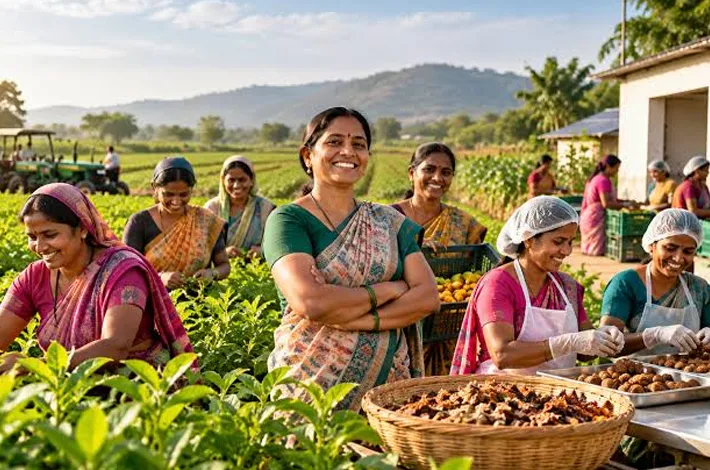
New Delhi, India: Two years ago, Corteva Agriscience launched #2MillionWomen initiative with a simple belief: when women thrive, agriculture thrives. Today, that belief is becoming reality.Across rural India, women are building stronger livelihoods. They are adopting better farming practices. They are starting new enterprises. They are stepping into leadership roles and driving change in their communities. What began as a commitment to empower women has grown into a movement that is creating lasting impact across India's agricultural value chain.
Launched in September 2024, #2MillionWomen, an initiative by Corteva to empower women across India’s agricultural value chain by 2030. This was among the first large-scale corporate initiatives focused on advancing women's participation and leadership in agriculture. The initiative aims to equip women with the skills, knowledge, and opportunities needed to succeed as farmers, entrepreneurs, and community leaders.Across the country, women are turning opportunity into action.They are improving farm performance. Expanding income opportunities. Accessing new markets. Building stronger businesses. Taking on greater responsibility within their households, communities, and farmer organizations.
Many are emerging as role models for other women. Others are helping strengthen local institutions and create pathways for future generations.For generations, the women of Umaria district of Madhya Pradesh gathered Mahua flowers to sell for pennies or brew into local country liquor, trapped in a cycle of poverty and social stigma. Organizing into a women-led Farmer Producer Organization (FPO) completely rewrote the narrative. By shifting from liquor to processing these flowers into premium, nutrient-rich TRIBO Mahua Laddoos, the women transformed from vulnerable forest gatherers into confident entrepreneurs. Stronger women are helping build stronger families. Stronger farmer organizations. And stronger rural communities.