13 September, 2026 | 4:41 AM


Maternity cover in health insurance-What women need to know
07-03-2026 12:00:00 AM
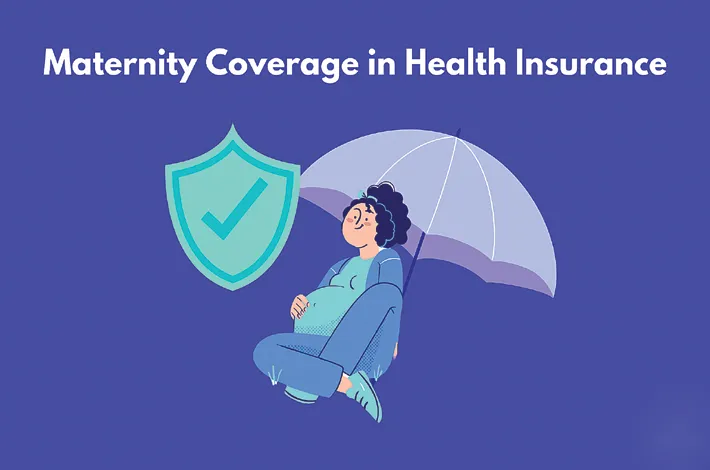
Women in India often seek clearer guidance on maternity benefits within health insurance policies, particularly regarding coverage amounts, claim rejections, waiting periods, and available options. In a recent discussion, Nikhil Ja, co-founder of Hercules Insurance Advisor, addressed these concerns, highlighting key aspects of maternity coverage in health insurance. Maternity-specific benefits are not universally included in all health insurance plans. Only a select few policies offer comprehensive maternity coverage, including aspects like no room rent restrictions. Many standard policies lack this feature entirely
Policies focused on maternity tend to forgo other valuable perks, such as substantial no-claim bonuses, high sum insured multipliers, or unlimited restorations—benefits commonly found in comprehensive non-maternity plans. These plans vary in details, but buyers should verify current terms, as features like waiting periods can depend on specific variants.
A critical factor is the sub-limit or capped coverage for maternity expenses. For instance, under Niva Bupa Aspire with a higher sum insured (e.g., Rs 25 lakh base), maternity payout might be limited to around Rs 20,000–Rs 60,000 (depending on policy tenure and variant), meaning any hospital bill exceeding this cap must be paid out-of-pocket. Across most policies, maternity limits often range from Rs 1 lakh to Rs 2 lakh maximum, even after longer waiting periods.
In major cities like Mumbai, real-world costs can significantly exceed these caps: normal deliveries typically range from Rs 1 lakh to Rs 1.25 lakh, while C-sections often fall between Rs 1.5 lakh and Rs 2.5 lakh (or higher in premium facilities). Maternity-focused policies also carry drawbacks compared to broader comprehensive plans. These include restrictions like single private room limits, exclusions for consumables, lower no-claim bonus multipliers (often capped at 3–4 times the base sum insured versus 10–20 times or unlimited in non-maternity plans), and reduced restoration benefits.
A common question is whether standard health insurance (without maternity cover) handles pregnancy-related complications. In most cases, no—normal deliveries or C-sections are excluded entirely if maternity is not covered. However, certain non-maternity conditions, such as ectopic pregnancy, may still be covered under general hospitalization benefits.
Ultimately, families face a choice: purchase a maternity-specific policy well in advance (ideally 9–24 months before planning pregnancy) to leverage coverage—including newborn protection—or save/invest separately for anticipated delivery costs (Rs 1–2.5 lakh or more). While saving offers flexibility without policy drawbacks, a maternity policy provides insurance against unpredictable complications and newborn medical needs, which cannot be easily replicated through savings alone.