29 June, 2026 | 9:08 AM


Calls for transparency over Rs 100 Cr sewing machine scheme
02-05-2026 12:00:00 AM
metro india news I hyderabad
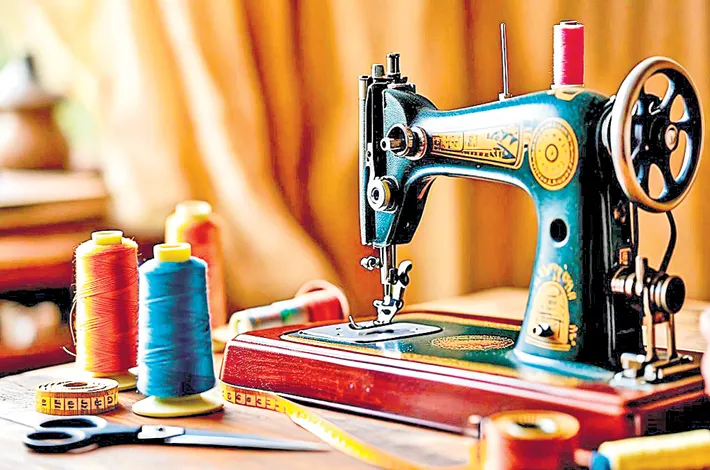
The announcement to distribute 1,000 sewing machines per constituency has sparked widespread debate and suspicion. Critics argue that similar welfare schemes in the past have faced serious allegations, ranging from irregularities in tender processes to lack of transparency in beneficiary selection. With the state planning to distribute around 1.2 lakh sewing machines across 119 constituencies under the BC Welfare Department, concerns about possible corruption and mismanagement have resurfaced.
While the objective of supporting economically weaker sections among backward classes is widely appreciated, experts and the public stress the need for strict transparency and adherence to clear guidelines. The scheme is estimated to cost around Rs. 100 crore, with each sewing machine priced between Rs. 8,000 and Rs. 10,000, depending on features. Given the scale of expenditure, there is a strong demand to ensure that no irregularities occur.
Analysts emphasize that the tendering process is particularly vulnerable to manipulation. They suggest setting fair eligibility criteria to allow participation from multiple vendors, especially local businesses. Ensuring opportunities for MSMEs, women entrepreneurs, and reserving a share for SC entrepreneurs could promote inclusivity while reducing the risk of monopolies.
Pricing transparency is another critical concern. Experts recommend competitive bidding to secure the lowest possible price, rather than inflated costs that could lead to misuse of public funds. They warn that opaque agreements or price manipulation could trigger fresh allegations and public dissatisfaction.
Equally important is the transparent selection of beneficiaries. Observers insist that the process must remain free from political influence and prioritize the most disadvantaged sections within the BC community to avoid controversies seen in previous schemes.
Some experts also propose adopting a Direct Benefit Transfer model, where funds are credited directly to beneficiaries’ bank accounts. This would allow individuals to purchase sewing machines themselves, ensuring flexibility, better choice, and reduced scope for corruption.
Additionally, decentralizing procurement by selecting suppliers at the district level instead of relying on a few large contractors could enhance transparency and provide opportunities to local enterprises.
Ultimately, stakeholders await clarity on how the government will implement the scheme, as its success will depend on maintaining transparency, accountability, and fairness at every stage.