26 June, 2026 | 12:15 PM


Mamata era ends BJP’s begins
05-05-2026 12:00:00 AM

Saffron surge in Bengal
Star power in Tamil Nadu
Congress Comeback
What was long regarded as an impregnable citadel for “Didi” has crumbled, marking the BJP’s most significant breakthrough in eastern India and fulfilling a long-standing ambition for Prime Minister Narendra Modi and Union Home Minister Amit Shah
metro india news I hyderabad
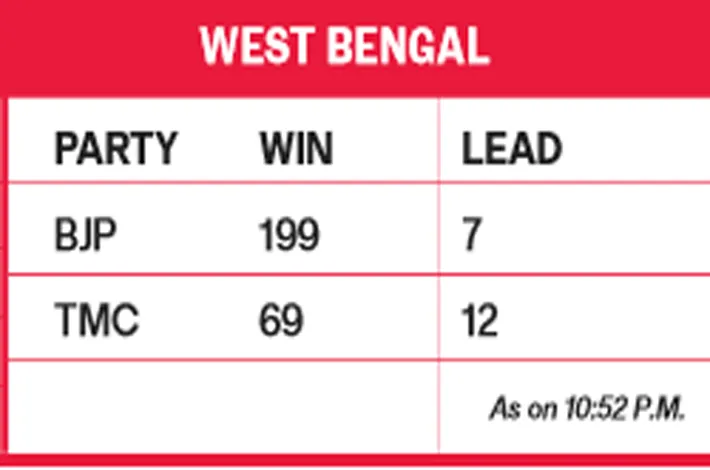
In a stunning political upheaval that has reshaped India’s electoral landscape, the Bharatiya Janata Party (BJP) has stormed to a decisive victory in the 2026 West Bengal Assembly elections, ending over a decade of Trinamool Congress (TMC) dominance under Chief Minister Mamata Banerjee.
What was long regarded as an impregnable citadel for “Didi” has crumbled, marking the BJP’s most significant breakthrough in eastern India and fulfilling a long-standing ambition for Prime Minister Narendra Modi and Union Home Minister Amit Shah.
For years, West Bengal stood as a formidable outlier. While the BJP swept through the Hindi heartland and made strides elsewhere, Banerjee’s TMC held firm, leveraging a mix of populist welfare schemes, minority consolidation, and strong regional identity. In the 2021 elections, TMC had secured a comfortable majority. This time, however, the tide turned dramatically. As vote counting progressed on May 4, 2026, the BJP surged past the halfway mark of 148 seats in the 294-member assembly, with leads or wins reported in over 200 seats in several trends, reducing TMC to under 100. Exact final tallies were still consolidating, but the momentum signaled a clear BJP government in the state.
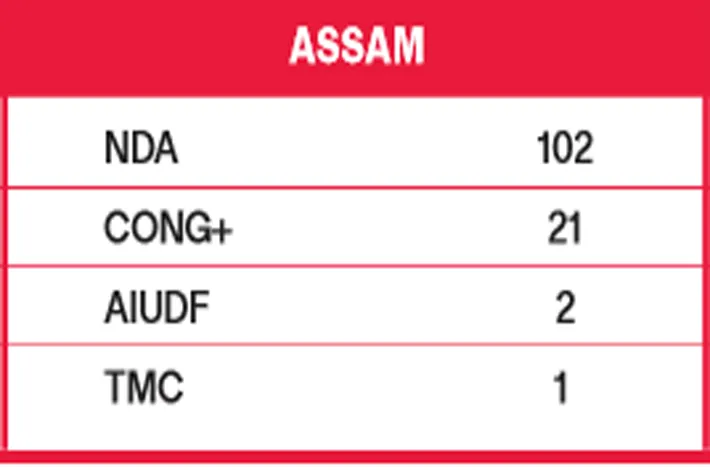
The victory carries profound symbolism. Amit Shah, during the campaign, invoked ancient names—Anga (broadly Bihar region), Banga (West Bengal), and Kalinga (Odisha)—predicting BJP governments across these eastern territories. With Himanta Biswa Sarma’s NDA securing a strong hold in Assam (leading in around 90+ of 126 seats), the vision has materialized in key parts, consolidating BJP influence in the east.
Record Turnout and Shifting Voter Sentiments
The election witnessed unprecedented voter enthusiasm, with West Bengal recording a historic turnout of approximately 92.93%, the highest ever in the state’s assembly polls and a significant jump from previous elections. Women’s participation was particularly notable at over 93%. This massive engagement reflected deep discontent with the incumbent regime.
The BJP’s consistent polling strength—hovering around 39-44% vote share in recent cycles—crossed key thresholds this time, making serious inroads even in rural and semi-urban areas traditionally loyal to TMC. TMC, which relied heavily on women voters through schemes like Kanyashree and Lakshmir Bhandar, faced erosion. Many rural women reportedly viewed the benefits as routine and insufficient for long-term transformation, tilting toward BJP’s promises of enhanced cash transfers, expanded welfare, and better governance.
Key Issues: Scandals, Law and Order, and Campaign Focus
Several factors contributed to TMC’s rout. The prolonged West Bengal School Service Commission (SSC) teachers’ recruitment scam loomed large. The scandal, involving widespread irregularities in appointments from 2016 onward, led to the Supreme Court and Calcutta High Court invalidating over 25,000 teaching and non-teaching positions due to bribery and manipulation. This eroded public trust, especially among the educated middle class and youth aspiring for government jobs.
Law and order issues, including high-profile cases of rape, arson, and post-poll violence in previous cycles, further alienated voters. BJP’s campaign relentlessly highlighted government failures, “appeasement politics,” and governance lapses, resonating widely. The party coupled Hindutva appeals with development promises, countering TMC’s narrative effectively.
Demographics and Muslim Vote Dynamics
Muslims constitute about 27% of West Bengal’s population (around 24.6 million as per the 2011 Census, with the state’s total population now exceeding 100 million). Nearly a third of assembly seats have significant Muslim concentrations. While TMC traditionally banked on this bloc, the 2026 results highlighted limits to consolidation. BJP made gains by focusing on welfare universalism and security concerns, even as analysts noted the centrality of minority voting patterns in close contests.
National Implications and Broader Context
Author and journalist Nilanjan Mukhopadhyay described the win as transformative: “Winning Bengal is a big victory for the BJP—a land of promise that has long eluded its grasp.” It bolsters Modi’s legacy after 12 years in power and provides a launchpad for further eastern expansion. For the INDIA bloc, it weakens the eastern flank significantly.
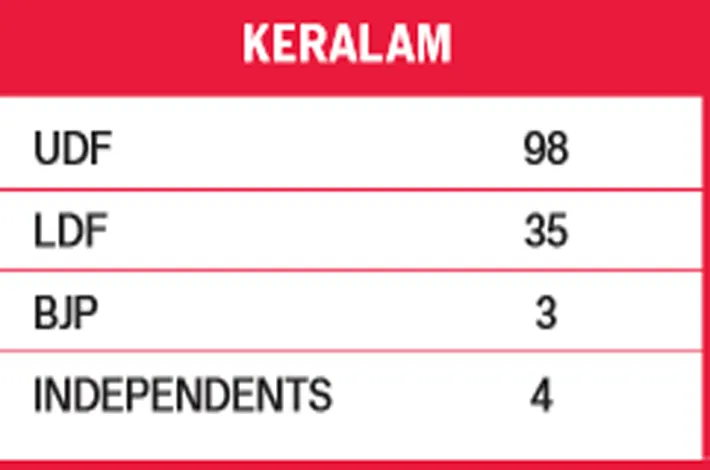
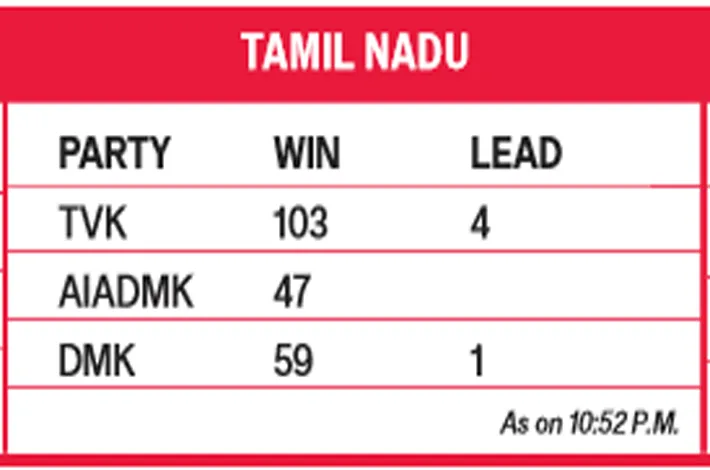
In Assam, BJP-led NDA under Himanta Biswa Sarma retained power convincingly. Other simultaneous polls offered mixed signals: Congress found solace in Kerala’s UDF performance, while Tamil Nadu saw the rise of actor Vijay’s Tamilaga Vettri Kazhagam (TVK), challenging Dravidian dominance with a youth-centric model.
The Bengal conquest is not just a state victory but a narrative booster for BJP’s “unstoppable growth,” though analysts caution against total dominance claims given varied mandates elsewhere. Challenges remain in governance—addressing unemployment, industrial revival (Bengal’s economic potential has long been underutilized), and social harmony.
As Suvendu Adhikari and other BJP leaders prepare to take charge, all eyes turn to how the party translates this mandate into tangible change in a state known for its intellectual vibrancy, cultural richness, and complex socio-political fabric. Mamata Banerjee’s era, which began as a spirited challenge to Left rule, appears to have ended amid voter fatigue over perceived corruption and stagnation.
This seismic shift underscores the fluidity of Indian democracy. What was once deemed insurmountable has fallen, opening a new chapter for West Bengal and reinforcing the BJP’s pan-India footprint. The coming months will test whether this conquest delivers the “Parivartan” (change) voters demanded
Actor-turned-politician C Joseph Vijay has delivered a stunning debut performance at the ballot box, transforming his mass appeal into a decisive political mandate. The Tamilaga Vetri Kazhagam (TVK) chief silenced all his critics who stated that people would turn out for his rallies but it would not translate into votes.