21 September, 2026 | 11:11 AM


India’s non-sovereign debt may reach 150% of GDP by 2047
17-07-2026 12:00:00 AM
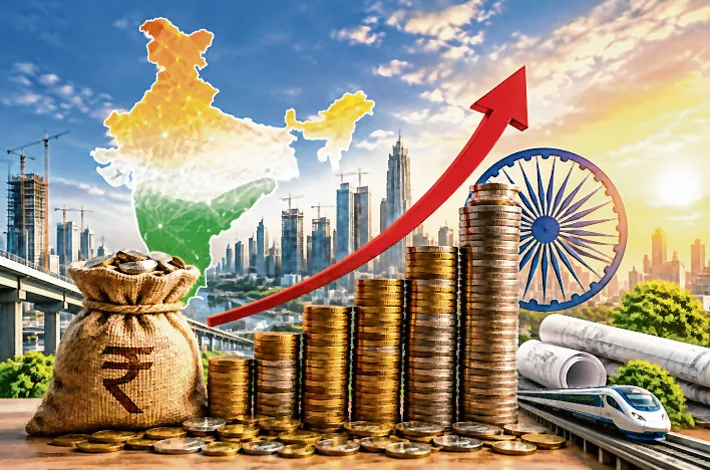
DEBT CHALLENGE AHEAD | Banks alone cannot meet future funding needs
ANI
New Delhi
India's non-sovereign debt could rise from approximately 84% of GDP today to around 150% by 2047. This structural shift is necessary to achieve the government's Viksit Bharat vision of a $30+ trillion economy by the calendar year 2047.
The projected debt levels match the borrowing ratios of developed economies like the US, the UK, the euro area, and Japan during their periods of rapid economic transformation in the early 2000s.
According to a report by the rating agency Crisil, the banking sector faces limitations in meeting this massive credit demand alone. Sluggish deposit growth in recent financial years and a high credit-deposit ratio of over 82% as of March 2026 constrain the ability of commercial banks to continue heavy lifting. Consequently, the debt capital market, comprising corporate bonds, securitised instruments, municipal bonds, and money market instruments, must make an outsized contribution.
"A debt capital market capable of financing Viksit Bharat will require a broader issuer base, deeper investor participation across the ratings spectrum, and a more vibrant secondary market trading ecosystem to strengthen price discovery," says Miren Lodha, Senior Director at Crisil Intelligence.
As per the report, India's debt capital market stood at just 22% of GDP at the end of fiscal 2026, which was significantly lower than gross bank credit at 62% of GDP. The corporate bond market also remains highly concentrated, with AAA and AA-rated bonds accounting for over 80% of the market. Government-owned entities and financial sector issuers contributed more than 80% of annual issuances since fiscal 2023, while retail and foreign investors together accounted for less than 10% of total corporate bonds outstanding.
"As the savings landscape transitions from traditional bank deposits to managed investment products, it is important to develop and effectively utilise market channels to fund critical segments such as infrastructure, housing and urban development under the Viksit Bharat vision," says Somasekhar Vemuri, Chief Criteria Officer at Crisil Ratings. "This will require regulatory and market infrastructure reforms to further strengthen the existing system," Vemuri added.
The Crisil report noted that transforming the corporate bond market requires attracting patient-capital investors, including insurance and pension funds, alongside improving risk appetite for bonds rated below AAA.