26 July, 2026 | 8:29 AM


GI filings cross 100 in AP, TG
19-03-2026 12:00:00 AM
Building on a strong legacy of iconic Geographical Indication (GI) products that have already become national and global brands, the Telugu-speaking states of Andhra Pradesh and Telangana have together crossed the 100 mark in GI filings, signalling a vibrant and fast-expanding ecosystem. From globally recognised crafts like Pochampally Ikat and Hyderabad Haleem to heritage products such as Kondapalli Toys and Tirupati Laddu, earlier GI tags have demonstrated how regional identity can be transformed into powerful brands.
Andhra Pradesh has filed 73 GI applications so far, while Telangana accounts for 37, taking the combined tally to 110 filings as of date. In terms of registrations, Andhra Pradesh has secured 20 GI tags, while Telangana has 18 registered products. The steady rise in filings reflects increasing awareness among artisans, producer groups, and government agencies about the economic and cultural value of GI recognition.
Telangana’s success story is anchored in products like Karimnagar Silver Filigree, Cheriyal Scroll Painting, and Gadwal Sarees, which have seen significant growth in demand post-registration. Similarly, Andhra Pradesh’s GI portfolio includes well-known names such as Mangalagiri Sarees and Kalamkari, which have carved out strong domestic and export markets.
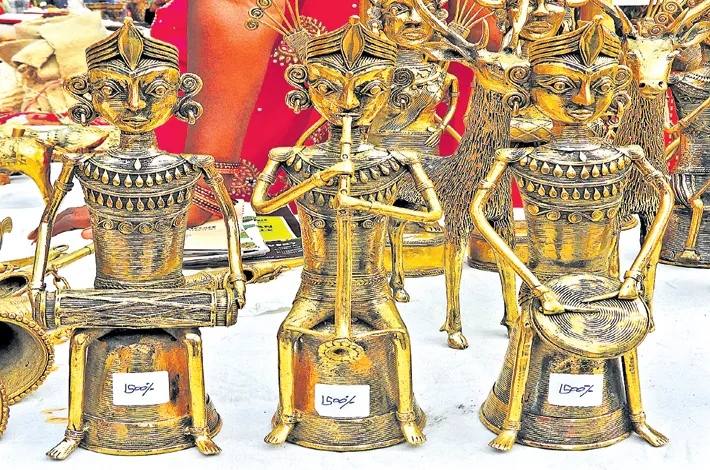
Several new products from Telangana are currently in the pipeline for GI recognition. These include Balanagar custard apple, Narayanpet hand-crafted gold jewellery, Nalgonda Banjara tribal jewellery, Nalgonda Banjara needle works, Hyderabad pearls, Siddipet batik paintings, Kothakota mutton, Armur turmeric, Nalgonda nimma, Nalgonda dosakai, Jagtial sesame, Kolhapur mangoes, Mahadevpur tassar silk, Karimnagar double bed sheets, and Naikpod masks. In addition, Adilabad dokra metal crafts, Warangal durries, and Gadwal eco-dyed fabrics are also being explored, expanding the state’s GI landscape.
From Andhra Pradesh, products under the GI filing process include Yemmiganur textile products, Nandivargam lungies and towels, Kodamuru silk, Palamaner terracotta, Madhavmala wood carvings, Rangasaipet brassware, Polavaram cotton sarees, and dupion cloth. Other emerging applications such as Bobbili veena variations, Kakinada leather crafts, and Srikakulam handloom blends point to a wider district-level push.
According to Subhajit, popularly known as the ‘TG GI man’ and Founder of Resolute IP Services LLP, the essence of GI lies in uniqueness rather than competition. “Each GI is unique and different from each other and doesn’t compete. That’s the essence and beauty. With filings on the rise and India nearing 2,000 GI applications, there is a strong need for a dedicated GI board to enforce standards in marketing, quality checks, and to act against counterfeit products while promoting authentic GI goods,” he said.
He highlighted the economic impact of GI recognition. Karimnagar Silver Filigree has expanded from around 40 families to nearly 180 families, with turnover rising from Rs 2 crore to Rs 10 crore. Cheriyal Scroll Painting revenues have grown from Rs 18–20 lakh to Rs 1.5 crore, while Pochampally Ikat has seen turnover increase from Rs 70–80 crore to nearly Rs 200 crore. Hyderabad Haleem, meanwhile, has expanded from Rs 100 crore to nearly Rs 1,000 crore over the years.
In a notable example of rising demand, silver filigree artisans secured orders worth Rs 2 crore for a high-profile wedding two years ago. GI recognition has enabled better piece rates and higher order volumes, supported by funding from NABARD, the Development Commissioner for Handlooms, textile departments, and state governments.
However, challenges remain as middlemen and free-riding continue to affect artisan incomes. Experts stress the need to build strong brands through improved packaging, design innovation, and storytelling. Initiatives such as customised GI-based momentos for international clients by Indian companies like Zoho highlight the growing global potential.
Subhajit emphasised that awareness is still a key gap. “Artisans are not fully aware of what GI brings to them. Awareness is the key,” he said, noting that a coordinated ecosystem could transform GI products into major drivers of rural livelihoods and cultural exports.