29 July, 2026 | 4:58 AM


Fraudsters use AI to mimic Naidu, Lokesh
14-06-2026 12:00:00 AM
Costs Visakhapatnam man Rs 80,000
Metro India News | AMARAVATI :
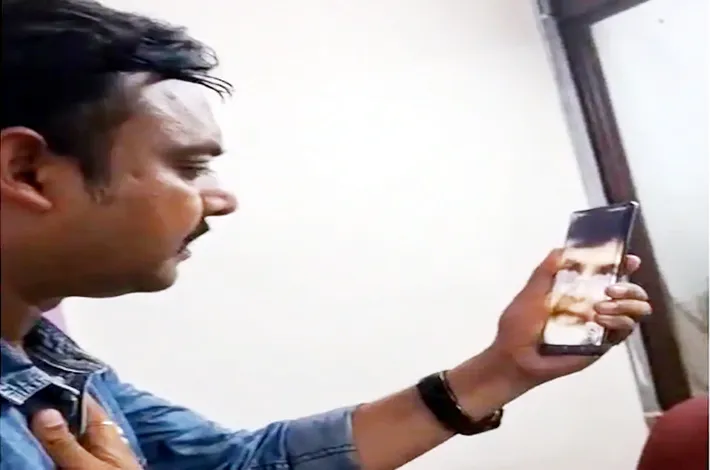
In a disturbing example of how artificial intelligence is being misused for cyber fraud, scammers allegedly used AI-generated deepfake video calls featuring Andhra Pradesh Chief Minister N. Chandrababu Naidu and IT Minister Nara Lokesh to cheat a Visakhapatnam resident of ₹80,000.
The victim, Srinivas Reddy of Seethampeta, had reportedly posted about a land-related grievance on social media, tagging Minister Nara Lokesh and seeking intervention. Cyber fraudsters, who appeared to be monitoring such public posts, contacted him through WhatsApp the following day.
To gain his trust, the scammers used the profile picture of former minister Devineni Uma and claimed that his complaint had reached the Chief Minister’s Office and would soon be resolved. They later escalated the deception by arranging an AI-generated video call in which deepfake versions of Chief Minister Chandrababu Naidu and Minister Nara Lokesh appeared to personally assure him that action would be taken on his issue.
Believing the call to be genuine, Srinivas Reddy trusted the fraudsters. The scammers then claimed that resolving the land dispute involved certain procedural expenses and persuaded him to transfer money in multiple installments. In total, the victim allegedly paid around ₹80,000 through online transactions.
When communication from the fraudsters suddenly stopped and no progress was made on his grievance, the victim realized he had been cheated and approached the cybercrime police.
Authorities have registered a case and launched an investigation into the sophisticated fraud. The incident highlights the growing threat posed by AI-powered deepfake technology, which is increasingly being exploited by cybercriminals to impersonate public figures and gain the confidence of unsuspecting victims.
Police have advised citizens to exercise caution while interacting with unknown callers online, verify the identity of individuals claiming to represent government offices, and avoid transferring money based solely on video calls or social media communications.