1 November, 2026 | 3:52 AM


Fasting and feasting
01-11-2026 12:00:00 AM
Khush Raho with Sangeeta
I have fainted twice during our school sports day. I remember one occasion when I passed out and fell to the ground while standing in squad formation on the road outside the stadium.
We had been standing there for a long time because the chief guest was delayed. I am not sure whether it was the scorching sun or hunger pangs that caused me to faint. However, my family would often joke that I could not go without food for more than four hours. My body has always had strong opinions about missing meals.
After I got married, Karwa Chauth came around. My mother-in-law asked me whether I would be fasting and what role she was expected to play in the ritual. I come from a Punjabi background, though I grew up in Delhi, and had married into a Bihari family, which follows somewhat different festivals and customs.
I told her I would not be fasting. I also told my Punjabi side of the family that Biharis did not observe the Karwa Chauth fast or 'vrat'. A few months later, I was informed that married women in Bihar fast on Teej for marital harmony. I wriggled out of that one too, citing my Punjabi heritage.
As you can probably tell by now, I was never much of a fan of fasting or going without food!
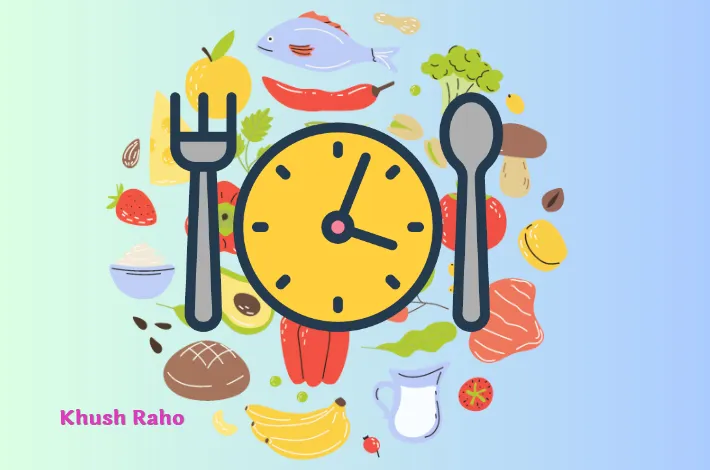
Fasting frequently comes up in my spiritual, meditation and yoga practices, prompting me to explore its effects. Most major religions advocate fasting, from Lent and Ramadan to the various fasts observed by Hindus. In recent years, intermittent fasting has gained popularity for its claimed health benefits, including weight loss, blood sugar regulation and improved digestion. It is also believed to promote autophagy, the body's cellular recycling process. However, conflicting claims abound online. While research supports some of these benefits, there appears to be no clear scientific consensus on the overall effects of fasting.
In Sanskrit, the word is ‘upvas’. It combines ‘upa’, meaning near, and vas, meaning to dwell. Literally, it means sitting near. Originally, it meant dwelling close to our inner self, consciousness, or the divine. To sit undisturbed in ‘dhyan’, seekers stepped away from distractions, including preparing or eating food. Over time, abstaining from food became the main meaning, but the root idea still points to moving closer to the inner self.
I prefer to look to ancient wisdom systems for guidance. The important thing is to be aware of why we fast or don't. A critical view, an open mind, and some deep research can help us figure out what works for our goals. There is no one size fits all solution. It boils down to moderation and balance: how much we eat, when we eat, what we eat. Pay attention and listen to the body, it usually signals its truth.
(Sangeeta Bhalla is an Energy Healer, Instructor, Therapeutic Aromatherapist. She can be reached at sangeetabhalla.net)