7 October, 2026 | 1:44 PM


Dealers warn of supply strain as panic booking drives gas shortage
27-03-2026 12:00:00 AM
Metro India News | Hyderabad
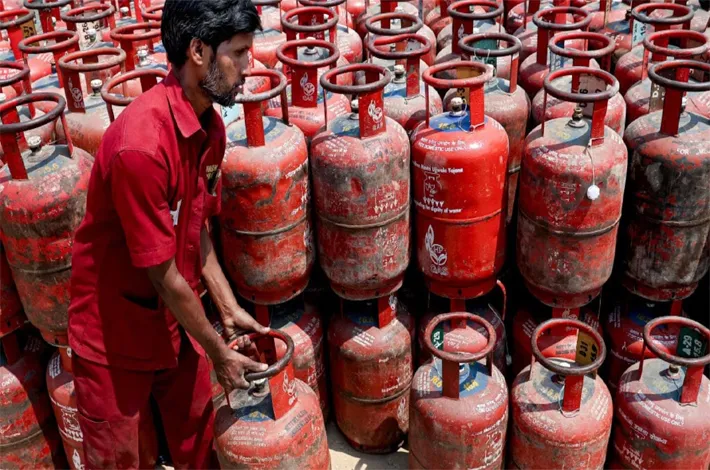
LPG Dealers Association President Jagan Mohan Reddy Speaks on Gas Supply. The President of the LPG Dealers Association, Jagan Mohan Reddy, has raised serious concerns over the current situation in cooking gas distribution, stating that persistent supply bottlenecks and panic fueled bookings are resulting in mounting pressure on retailers and consumers alike.
Addressing media on Tuesday, Reddy said that the major oil companies responsible for cylinder allocation are failing to ensure adequate delivery to dealerships. “There has been a clear shortfall in supply from oil companies. We are now witnessing unusually long queues at LPG distribution outlets across the region,” he noted, emphasizing that residential consumers are increasingly struggling to get cylinders when needed.
Reddy pointed out that the situation at private LPG bunkers has grown particularly acute. “Private outlets are now displaying significantly higher rates. Because private dealers are forced to procure stock at elevated prices, they are compelled to pass on that cost. This has resulted in customers being charged disproportionately higher amounts at those locations.”
Highlighting user practices that are exacerbating the shortage, Reddy said that many households are booking cylinders even without a pressing requirement, intensifying the demand burden beyond genuine consumption patterns.
A key issue, he explained, lies in logistical challenges linked to allocation systems. “Indian Oil’s LPG numbering and scheduling are still not being effectively managed. This is affecting timely distribution to our outlets,” Reddy said, pointing to administrative gaps underpinning the problem.
He further addressed the impact of international pricing on domestic supply. Imported LPG currently costs around Rs 170 per kilogram, equating to roughly Rs 85 per liter. “Once you factor in taxes and other levies, the economics of supply becomes constrained. Oil companies are simply not able to deliver the volumes they should under these conditions,” explained Reddy.
In contrast, purely private market imports have driven the cost at independent bunkers. “Those sellers are procuring stock outside regulated supply channels, placing them at higher purchase costs. Because of this, either they cannot sell at those prices or they run out of product, and many bunkers are shutting temporarily.”
Reddy also cautioned that panic bookings, especially through the IVRS phone system, are worsening the situation. “We can manage supply for only about 4–8 days in this climate of over‑booking. If panic orders on IVRS are controlled, and people spread bookings appropriately, we believe the pressure will ease.”
He concluded with a plea for responsible usage, underscoring that the government is ensuring 14.2‑kg domestic cylinders are prioritized, and that commercial cylinders will not be diverted to hotels. Commercial and industrial users are consuming large quantities and requested save wherever possible.