17 August, 2026 | 9:52 AM


CM to unveil Musi rejuvenation plans on March 13
12-03-2026 12:00:00 AM
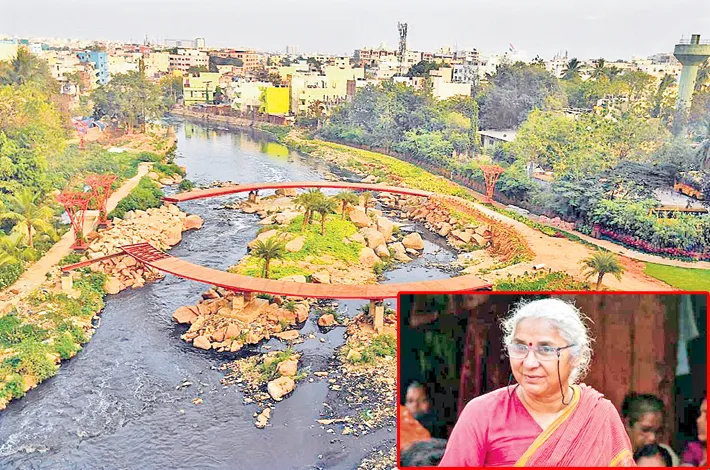
The Musi Riverfront Development Corporation Limited (MRDCL) will organise “Musi Invites” on March 13 at Taj Krishna Hotel in Hyderabad, where the Telangana government will present the proposed plans for the Musi River rejuvenation and riverfront development project.
Chief Minister A. Revanth Reddy will attend the programme and outline the government’s vision for restoring the Musi river and developing the riverfront as part of Hyderabad’s long-term urban development strategy.
The event is expected to bring together Members of Parliament, MLCs, MLAs, leaders from various political parties, intellectuals, environmental experts, urban planners and architects. Representatives from industry bodies such as CREDAI, CII and FICCI, along with media representatives and foreign diplomats, have also been invited to participate.
Officials will present the historical significance of the Musi river and its strong association with Hyderabad city, while also highlighting its current deteriorating condition and the environmental challenges it poses to the city. A detailed PowerPoint presentation will explain the proposed rejuvenation plan, which includes supply of clean water, protection of the environment, development of riverbanks and creation of public infrastructure along the river corridor.
As part of the project, the government has decided to take up the Gandhi Sarovar project in the first phase. The Chief Minister is also expected to share the government’s broader vision for Musi restoration and Hyderabad’s future urban development plans.
Medha Patkar urges Telangana govt to halt Musi River project unveiling
Social activist Medha Patkar has urged Telangana Chief Minister A. Revanth Reddy to immediately halt the unveiling of the Detailed Project Plans for Musi River Rejuvenation Phase-I scheduled on March 13, 2026, warning that the project could displace thousands of families and proceed without mandatory social impact assessments.
In a letter, Patkar noted that the state government has invoked exemptions from the Social Impact Assessment under the Right to Fair Compensation and Transparency in Land Acquisition, Rehabilitation and Resettlement Act, 2013. She highlighted Government Order Ms No. 921, issued on February 16, 2026, which allows acquisition of about 3,279 acres of land and nearly 10,000 structures without the assessment, raising serious concerns over transparency and democratic process. Patkar warned that the large-scale project, promoted as a flagship programme, could have significant social and ecological consequences. Thousands of households along the Musi riverbanks—including working-class families, middle-class residents, and retired officials—could face displacement. She also expressed concern over heritage structures like the historic High Court building and noted that around 300 houses have already been demolished, while alternative housing has failed to meet residents’ needs or safeguard livelihoods.
Patkar criticized the exclusion of directly affected families, environmental experts, social activists, and groups like Musi Jan Andolan from the unveiling event at Taj Krishna, Hyderabad. She emphasized that participatory governance requires meaningful engagement with communities, not just elite consultations.
She also raised concerns over recent land acquisitions, including the Gandhi Sarovar project in Bandlaguda Jagir village, notifications for 43.48 acres in Rangareddy district, and proposed transfer of 98.20 acres of defence land, which have intensified public opposition.
Patkar traced the project’s history to the tenure of former Chief Minister N. Chandrababu Naidu, when similar proposals stalled due to public protests. She stressed that while river rejuvenation is necessary, the Musi is heavily polluted and requires restoration measures that minimize displacement and protect livelihoods. She also highlighted deficiencies in the Environmental Impact Assessment, including incomplete consultations and missing environmental and land data.
In her appeal, Patkar requested the Chief Minister to suspend the March 13 event, publicly release the draft Detailed Project Plan in English, Telugu, and Urdu for at least 60 days of public feedback, engage directly with affected communities, form an independent review committee, and withdraw or repeal controversial land acquisition notifications. Copies of her letter were also sent to Congress leaders Rahul Gandhi, Jairam Ramesh, and AICC Telangana in-charge Meenakshi Natarajan.