6 October, 2026 | 3:45 AM


Building Beyond Bengali OTT
06-10-2026 12:00:00 AM
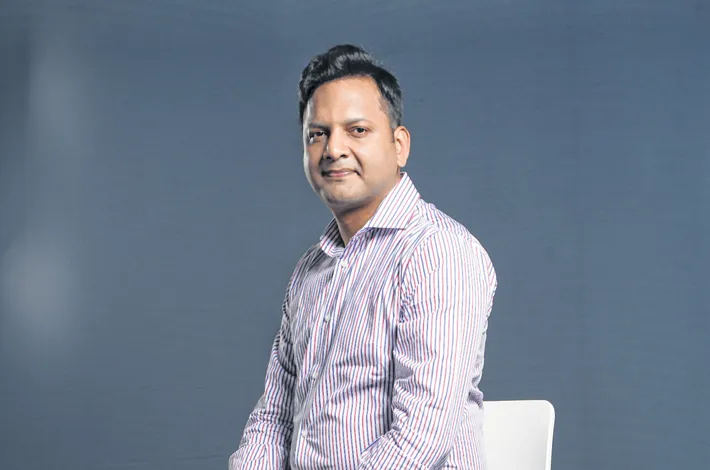
Vishnu Mohta on hoichoi’s evolution from a regional streaming platform into a homegrown entertainment ecosystem built around IP, technology and multiple audience formats
The value of content doesn’t end with its first release. A successful IP can have multiple lives across languages, markets and formats.
Sustainable growth comes from creating strong IP, owning it, buildinga direct audience relationship and finding multiple revenue opportunities around the content.
Kalpana Ravi :
Ten years after its launch, hoichoi is looking beyond the conventional definition of a regional OTT platform. Bengali storytelling remains its foundation, but the business is increasingly shaped by technology ownership, IP monetisation, cross-market adaptations, new formats and strategic distribution. In this conversation with Kalpana Ravi, Mohta reflects on the first decade and the road ahead.
How has hoichoi evolved?
When we started hoichoi, the opportunity was clear. Bengali audiences deserved a streaming platform that understood their language, culture and storytelling preferences deeply. Over the last decade, streaming and audience behaviour have changed significantly.
What has remained constant is our belief in homegrown storytelling. What has changed is the number of ways in which we can take that storytelling to audiences.
Today, we look at entertainment much more holistically. Original content remains at the heart of the business, but we are also exploring audio, micro dramas, AI-led storytelling and other formats. Technology is increasingly important in how we create, distribute and understand content.
The evolution is not about moving away from our Bengali foundation. It is about building an ecosystem around it and creating new opportunities for content, technology and IP to work together.
Why own the technology?
Technology is not simply an infrastructure layer for us. It is an important part of the consumer experience and, therefore, the business.
Owning our core technology gives us greater control over how consumers discover content, interact with the product and how we understand their behaviour. It allows us to make product and business decisions based on what we learn directly from our audience.
You want to understand what audiences are watching, searching for, where they are dropping off and how their preferences evolve. Having control over the product and technology stack helps us respond to those signals more effectively and make decisions faster.
As formats evolve and new technologies emerge, we can build and adapt rather than depend entirely on an external ecosystem.
How do stories travel globally?
We don’t see being regional and being global as contradictory. Strong regional storytelling can travel precisely because it is authentic.
Audiences don’t necessarily need a story to originate in their own language or geography to connect with it. What they need is a compelling story and characters they can relate to.
Our Bengali content remains the foundation. But once you create distinctive IP, there are several ways of taking it to new audiences, through dubbing, adaptations, licensing and distribution partnerships.The objective is not to make every story generic. It is to preserve what makes the original story interesting and find the right format for another audience.
That is where we see a large opportunity for Indian content. India has enormous storytelling diversity, technology and distribution which is making it increasingly possible for those stories to travel.
Can regional IP travel?
When we create an original IP, we think about the story and audience first. But a successful IP can subsequently have multiple lives, through another language, platform, territory or format.
For example, Indu travelled into Telugu as Vadhuvu, while Taqdeer became Dayaa. Sampurna was adapted into Hindi as Chiraiya, while Noshtoneer travelled into Hindi as Sampoorna.
That creates a different economic model around content. You are building an intellectual property asset that can continue to generate value.
For us, IP ownership is extremely important because it allows us to think beyond the first release and build longer-term value around the stories we create. The more lives a story has, the greater its value.
What makes OTT growth sustainable?
Scale alone doesn’t define a healthy OTT business. For us, the model is about making the economics of content work across its lifecycle, from subscriptions and audience engagement on hoichoi to the additional value we can create from the IP we own.
Bengali content remains our core, but a successful title can generate value beyond the platform through licensing, syndication, dubbing and adaptations across languages and markets. That allows us to monetise the same IP in multiple ways rather than treating its value as ending with its first release.
Our direct relationship with the audience also helps us understand what they want, which informs both content and product decisions. Ultimately, sustainable growth comes from creating strong IP, owning that IP, building a direct audience relationship and finding multiple revenue opportunities around the content.
How does distribution create value?
We look at distribution as a way of extending the life and reach of our IP.
Our owned platform and direct subscriber relationship remain important. But we don’t necessarily see different distribution approaches as mutually exclusive. The question is what role a particular partnership can play in extending the reach or value of a piece of content.
If an IP can reach a new audience through a different platform, language or distribution arrangement, that can create incremental value for the business while bringing more people into the hoichoi ecosystem. We have built partnerships with leading OTT platforms and telecommunications partners in Bangladesh, alongside licensing and syndication arrangements.
Going forward, we will continue to look at strategic partnerships that can help our content travel further, discover new audiences and create additional value while ensuring that the core relationship between hoichoi and its audience remains strong.
What will drive the next decade?
We don’t see the next phase as an either-or choice between new languages, formats, technology or international audiences.
Our existing Bengali IP will continue to be important, and we see significant potential in taking that IP into other languages and markets.
At the same time, audience behaviour is changing rapidly. Short-form storytelling, micro dramas, audio and other emerging formats are creating new consumption occasions. AI is also beginning to influence how content can be conceived, developed and produced. The important thing is to experiment without losing sight of audience needs. Our technology capabilities allow us to learn quickly from audience behaviour and adapt the product accordingly. The second decade is about building on the foundation we have created while remaining open to new formats, technologies and markets.
What should hoichoi become?
Bengali storytelling will always be at the heart of hoichoi. That is our identity and the foundation we have built on. But we want those stories to travel further across languages, markets and formats.
The larger ambition is to show that a company rooted in Bengali content can build IP that resonates well beyond its original audience, while creating a sustainable entertainment business around it.
For us, the next decade is about taking Bengali stories born in hoichoi and making them part of the world’s entertainment conversation.