20 November, 2026 | 2:19 AM


‘Boycotting Polls End Democracy’
20-11-2026 12:00:00 AM
Rahul Gandhi on Why Congress and INDIA Bloc Continue Contesting Amid Rigging Claims
metro india news I Chicago:
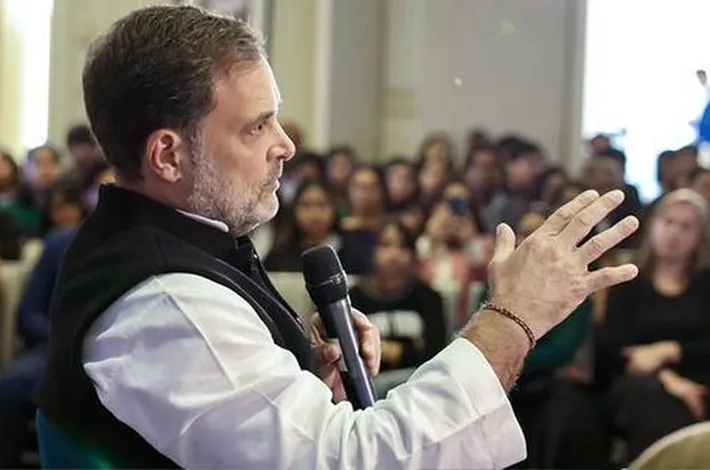
Leader of Opposition Rahul Gandhi has firmly ruled out any boycott of elections by the Congress and the broader INDIA Bloc, even as the opposition intensifies its allegations that India’s electoral process has been systematically compromised. Speaking at events in the United States this week, including at the University of Chicago, Gandhi argued that withdrawing from the polls would itself destroy the democratic framework the opposition claims to defend.
“If we say that we are not going to contest elections, we end Indian democracy that minute,” Gandhi said. He described Indian democracy as “sacred” and stressed that the opposition’s strategy is to keep participating while publicly exposing what it calls irregularities,
accepting electoral setbacks in the process. “Our strategy is to expose what is going on and take the beating until the people of India realise that the system has been fully demolished. But we do not want to break the electoral structure,” he told the audience.
Gandhi explained that an opposition boycott would, in the public mind, render the entire electoral process illegitimate. The Congress and its allies, he said, are deliberately choosing not to take that step despite what he described as “tremendous pain” suffered by the opposition. He claimed the party is receiving information from within the Election Commission itself and expressed confidence that the current structure would eventually collapse under scrutiny.
The remarks come against the backdrop of the Congress’s sustained “vote chori” (vote theft) campaign. Over the past year, Gandhi and other opposition leaders have alleged large-scale manipulation of voter lists, including duplicate entries, fake or invalid addresses, bulk voters at single addresses, and irregularities in Form 6 (new voter) applications.
They have cited specific examples, such as analysis of one Karnataka assembly segment where they claimed more than one lakh votes were affected by various irregularities, and sharp increases in voter numbers between the 2024 Lok Sabha polls and subsequent state assembly elections in places like Maharashtra. Gandhi has previously claimed the opposition suspects manipulation in dozens of seats in the 2024 general election and has questioned the legitimacy of certain assembly results.
The Election Commission of India has repeatedly rejected these charges as baseless and misleading. Officials have defended the integrity of electoral rolls, the conduct of polls, and the use of Electronic Voting Machines, while noting that political parties have avenues to raise objections during the revision process. The BJP has dismissed the allegations as an attempt to undermine public confidence after electoral defeats.
Gandhi has framed continued participation as both a practical and principled necessity. Boycotting, in his view, would abandon opposition workers on the ground, remove the opposition’s ability to highlight issues from within the system, and hand the ruling side an uncontested claim to legitimacy. By contesting, the Congress and INDIA Bloc aim to keep the issue alive in public discourse, document alleged discrepancies using available data (even if provided only in non-machine-readable formats), and wait for broader public recognition of what they call systemic problems.
The opposition has also demanded reforms such as machine-readable voter lists shared well in advance, greater transparency around EVM architecture and CCTV footage retention, and changes to the appointment and accountability of election commissioners. At the same time, leaders have insisted they will not walk away from the ballot box.
Gandhi’s latest comments reinforce a consistent line: the Congress and INDIA Bloc will continue fighting elections while challenging the process’s fairness. They present this dual approach — participation plus exposure — as the only way to defend democratic institutions without declaring them dead. Whether the strategy succeeds in shifting public or institutional opinion remains a central question in India’s ongoing political contest.
The opposition maintains that staying in the electoral arena is essential to preserving the very structure it believes is under threat. Boycott, Gandhi argued, would end that structure overnight.