14 July, 2026 | 7:09 PM


Basara Temple set for Rs 225-Crore Transformation
05-04-2026 12:00:00 AM
metro india news I hyderabad
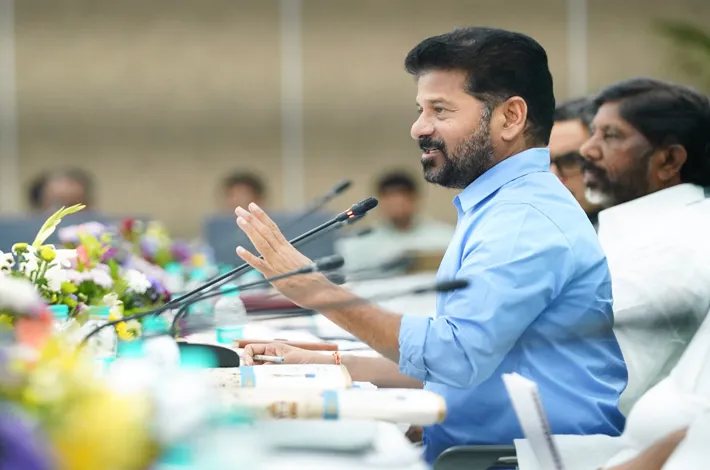
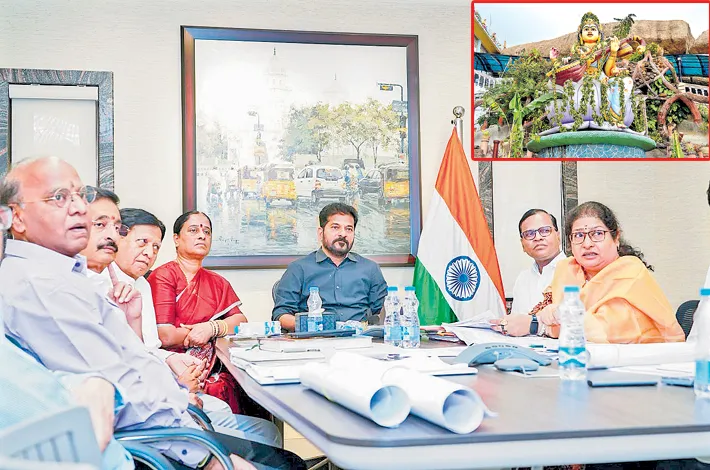
The Telangana government has finalized a comprehensive master plan worth Rs 225 crores for the development of the historic Basara Sri Gnana Saraswati Temple. Chief Minister A. Revanth Reddy, on Saturday, reviewed the plan in a high-level meeting with officials from the Endowments Department, alongside Minister Konda Surekha. Revanth issued key directives to ensure that the project enhances facilities for devotees while preserving the sanctity and traditions of the temple.
The master plan envisions transforming Basara into an international spiritual hub. CM Revanth Reddy will personally lay the foundation stone for the development works on April 6. He emphasized that all reconstruction must strictly follow Agama Shastra guidelines, safeguarding the temple’s spiritual purity. To accommodate future needs and growing pilgrim inflow, the plan includes widening roads around the temple and introducing eco-friendly measures such as permitting only electric vehicles in the vicinity.
The CM directed officials to provide world-class amenities for devotees, similar to those at Tirumala Tirupati Devasthanam. Strict regulations will be enforced to prevent political activities within temple premises, ensuring an atmosphere of devotion and discipline. Facilities such as modern queue lines, upgraded accommodation, and improved bathing ghats on the Godavari River will be developed to ease the experience of thousands of devotees, especially families visiting for the traditional Aksharabhyasam ceremony.
Highlighting the importance of quality and sustainability, CM instructed that every step of the project must reflect excellence and respect for the faith of devotees. With this initiative, Basara is set to emerge as a premier spiritual destination, blending tradition with modern infrastructure while honoring the cultural heritage of Telangana.
Upgrade Push grows for Basara Temple
Former staff identify key priority areas for improvement
Nestled on the banks of the Godavari, Basara Saraswati Temple stands as one of the rare shrines dedicated to Goddess Saraswati in the Indian subcontinent, alongside Sharada Peeth Temple, which is now in ruins in PoK. Revered as a temple of learning, Basara draws thousands of families, especially those initiating children into education.
Over the years, the temple has witnessed a steady surge in pilgrim numbers. During summer holidays alone, daily footfall ranges between 10,000 and 15,000 devotees. On auspicious occasions like Basant Panchami, the numbers swell dramatically, with nearly one lakh devotees thronging the temple. Similarly, during Dasara Navaratri, particularly on Moola Nakshatra, around 60,000 pilgrims visit to seek blessings of Goddess Saraswati. Devotees from Telangana, Andhra Pradesh, and Maharashtra form the bulk of visitors, reflecting Basara’s growing prominence alongside major temples such as Yadagirigutta Temple, Vemulawada Rajarajeshwara Temple, and Bhadrachalam Temple.
Infrastructure gaps raise concerns
Despite its popularity, the temple’s infrastructure is struggling to keep pace with the rising influx. Former staff and insiders point out that the absence of proper queue management systems during peak days leads to inconvenience for devotees. The need for organized queue lines has become increasingly urgent.
Water scarcity is another pressing issue. With no permanent drinking water facility, authorities often rely on external sources, creating logistical challenges. This has also led to vendors charging inflated prices for bottled water, sometimes double the MRP. Experts suggest installing a dedicated drinking water filtration system to ensure consistent and affordable access.
Accommodation remains a major bottleneck. Currently, Basara offers fewer than 100 rooms for pilgrims. The demolition of an existing 100 room facility to make way for a modern complex has further strained availability. However, with nearly 25 acres of adjacent government land available, there is significant scope for expanding lodging facilities and developing a structured shopping complex for local vendors.
Food services also need expansion. The existing Annadanam facility serves around 300 devotees daily, which falls short during peak seasons. Drawing inspiration from Tirumala, a larger, modern dining complex capable of serving 1,000 to 1,500 devotees in batches has been proposed.
Additionally, a shortage of ministerial staff continues to affect operations. From issuing tickets to managing prasadam distribution, authorities often depend on temporary staff or retired personnel, impacting efficiency.
As Basara’s spiritual significance grows, the call for comprehensive infrastructure development is becoming louder, with devotees and experts alike urging timely action to preserve both sanctity and comfort.