13 September, 2026 | 7:39 AM


AI to reshape SaaS, not replace it: IT Leaders
22-02-2026 12:00:00 AM
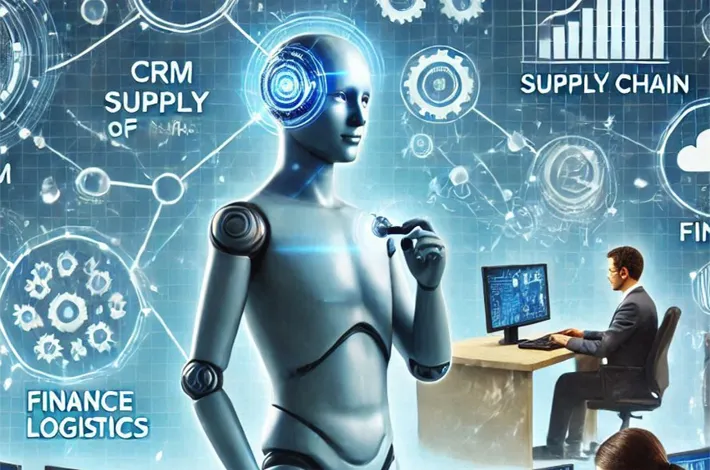
long-term success in the AI era will depend on enterprise readiness, agility, governance frameworks, and the ability to continuously solve real-world customer problems
Metro India News | new delhi
Top technology leaders on Friday said artificial intelligence (AI) will significantly transform the Software-as-a-Service (SaaS) and enterprise services landscape but is unlikely to make existing business models obsolete overnight.
Speaking at the India AI Impact Summit, industry executives highlighted that AI agents are set to redefine operating models, customer engagement, and service delivery. However, they stressed that long-term success in the AI era will depend on enterprise readiness, agility, governance frameworks, and the ability to continuously solve real-world customer problems.
Arundhati Bhattacharya, Chairperson and CEO of Salesforce India, cautioned against overreacting to market speculation around SaaS disruption. She noted that SaaS is not merely about “vibe coding” or creating applications but involves deep understanding of workflows, customer pain points, and ensuring observability, governance, auditability, and adoption.
Industry leaders acknowledged that AI-driven automation has triggered concerns about subscription-based SaaS models, particularly as AI agents gain the ability to handle core workflows. However, they maintained that foundational capabilities must evolve further before replacing enterprise-grade systems.
K Krithivasan, CEO of Tata Consultancy Services (TCS), said the role of software engineers is undergoing a structural shift. Engineers will increasingly focus on high-level architecture design and rigorous validation as AI takes over repetitive coding tasks. He added that enterprise adoption of AI requires substantial groundwork, including data rationalisation and application modernisation. Rather than shrinking, he projected a major expansion in the services market driven by AI-enabled productivity gains.
C Vijayakumar, CEO and Managing Director of HCL Technologies, said large language models and foundational AI systems are not yet fully optimised for enterprise use cases. He noted that bridging the gap between foundational AI capabilities and enterprise-grade performance remains a key challenge.
Salil Parekh, CEO of Infosys, described AI as a USD 300 billion services opportunity, enabling businesses to make previously unviable solutions economically feasible.
The discussion comes amid rising concerns over pricing pressures and AI-native competitors, but leaders signalled confidence that AI will expand, not diminish, the sector’s future.