17 October, 2026 | 4:22 AM


Jagan Backs CJP, Angers BJP
17-10-2026 12:00:00 AM
■ Jagan Mohan Reddy Sparks Political Storm
■ Supports Arrested CJP Leaders
metro india news I Amaravati
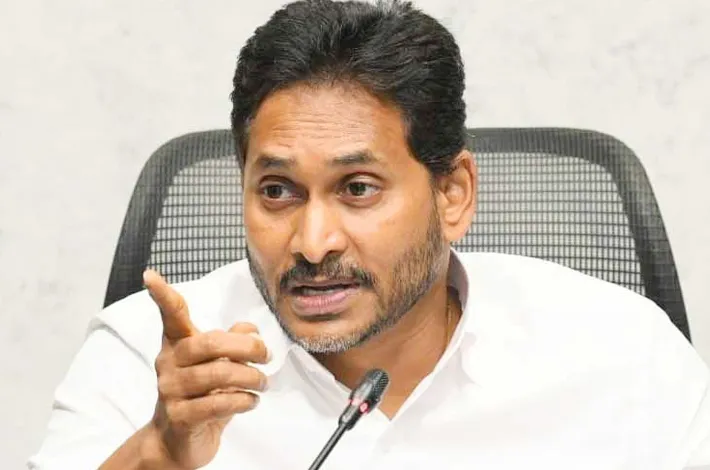
In a significant development that has intensified political tensions in Andhra Pradesh and beyond, YSR Congress Party (YSRCP) president and former Chief Minister YS Jagan Mohan Reddy issued a series of social media posts condemning the arrest of Cockroach Janata Party (CJP) leaders Saurav Das and Ashutosh Ranka. The leaders were detained in Delhi and remanded to judicial custody following a protest at Jantar Mantar related to concerns over the Special Intensive Revision (SIR) of electoral rolls.
Reddy, in his posts on the platform X, stated that the arrests would only aggravate the situation rather than resolve underlying issues. He called for a proactive approach to correct systemic flaws and stressed the urgent need to restore trust in the electoral process. “The arrests of Saurav Das and Ashutosh Ranka do not solve anything; it only aggravates the situation. I empathise with them,” he wrote, while emphasising that confidence in elections must be rebuilt.
CJP representatives and supporters responded by thanking Reddy for his solidarity. One post from a party-linked account highlighted his statement as a bold stand in support of those sent to five days of judicial custody, describing it as meaningful backing for efforts to address electoral concerns.
The intervention drew sharp criticism from the Bharatiya Janata Party (BJP). Andhra Pradesh BJP president P.V.N. Madhav accused Reddy of revealing a “true agenda” by aligning with the CJP.
Madhav questioned the association between an organisation that claims to champion democracy and a leader facing cases involving the Enforcement Directorate and Central Bureau of Investigation. He alleged that the move exposed underlying motives amid ongoing political rivalries in the state.
This episode occurs against the backdrop of longstanding YSRCP concerns regarding Electronic Voting Machines (EVMs). Following the party’s heavy defeat in the 2024 Andhra Pradesh Assembly and Lok Sabha elections, where it secured only a handful of seats, Reddy and YSRCP leaders had previously raised suspicions about the reliability of EVMs. The party has repeatedly demanded a return to ballot papers for future elections, arguing that such a shift would enhance transparency and public confidence.
The latest statements from Reddy come at a time when broader opposition forces, including the INDIA alliance, have intensified calls related to electoral reforms. These include demands for the resignation of Chief Election Commissioner Gyanesh Kumar over issues surrounding the SIR process and related procedures, alongside advocacy for paper ballots instead of electronic machines. YSRCP has echoed elements of these positions, maintaining that it will continue pressing until trust in the system is fully addressed, including scrutiny of the Election Commission’s functioning.
Political observers note that Reddy’s public stance marks a more assertive posture toward the central government and ruling alliances. Some analysts suggest that this open criticism could lead to heightened scrutiny of pending cases against the former chief minister and his associates. They point to the possibility of investigative agencies revisiting earlier matters in light of the sharpened political confrontation.
Union Home Minister Amit Shah and BJP leadership have historically clashed with the YSRCP over governance issues in Andhra Pradesh, including allegations related to administration during Reddy’s tenure. The current exchange has been viewed by party workers and commentators as an escalation
in the ongoing contest between the opposition party and the National Democratic Alliance partners in the state.
Reddy’s posts have circulated widely, amplifying discussions on electoral integrity across social media and political circles. Supporters of the YSRCP portray the remarks as a principled defence of democratic processes and youth voices raising questions about institutional mechanisms. Critics from the
BJP side frame them as opportunistic, linking them to the party’s electoral setbacks and existing legal challenges.
As the debate unfolds, the focus remains on the broader implications for electoral reforms and inter-party dynamics. The YSRCP continues to highlight its position on ballot papers and systemic corrections, while the BJP maintains its defence of existing electoral frameworks and institutions. The developments underscore persistent divisions over the conduct of elections and the role of various political actors in shaping public discourse on democratic trust. Further reactions from national leaders and institutions are anticipated as the issue gains traction in the coming days.