20 September, 2026 | 7:35 PM


Youth of the world unite
28-07-2026 12:00:00 AM
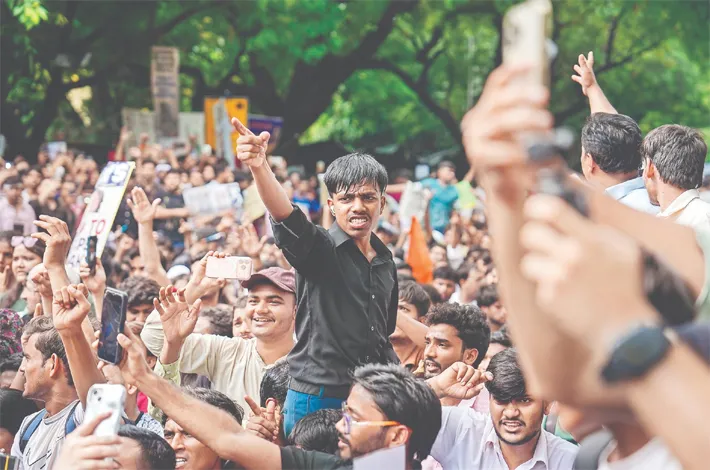
Global echoes among youth
metro india news I hyderabad
The movement resonated far beyond India's borders, igniting a wave of solidarity that underscored the shared frustrations of a connected global generation. In the United States, protests and support rallies popped up in New York and San Jose, where Indian diaspora communities and local youth gathered to amplify calls for educational fairness.
Similar expressions of support emerged in the UK, with diaspora groups organizing vigils and online campaigns. Pakistani youth, despite geopolitical tensions, shared viral reels admiring the protesters' energy and creativity, highlighting a rare cross-border appreciation for youth agency.
Indians abroad actively participated by ordering food deliveries to Jantar Mantar via apps like Zomato and Swiggy, providing tangible backing to those camped out in Delhi. Hashtags such as #MainBhiCockroach trended worldwide on platforms like X, Instagram, and TikTok.
Gen Z users in the US, Canada, Australia, and across Europe posted personal stories drawing parallels to their own struggles: crushing student debt, precarious gig economy jobs, credential inflation, and deep institutional distrust. In the US, where student loan debt exceeds $1.7 trillion, many related to the Indian protesters' anger over exam irregularities and limited opportunities.
European youth, facing high youth unemployment in countries like Spain (over 23% in recent data) and Italy, echoed themes of post-pandemic disillusionment. Analysts highlighted the movement's uniqueness: it was decentralized, meme-driven, and deeply culturally attuned.
Unlike traditional hierarchical protests of the past, this one weaponized social media satire, real-time documentation via live streams, and creative resistance. Protesters roasted TV anchors with sharp wit, brandished humorous signs, and leveraged AI-generated imagery to mock authority.
What organizers called a "content creation festival" transformed serious grievances into relatable, shareable moments that captivated global audiences. This approach made the protests highly relatable to young people worldwide navigating similar challenges. The post-pandemic era has amplified issues like rising inequality, underemployment, and political cynicism.
In India, the triggers included alleged leaks in competitive exams like NEET, which determine futures in medicine and other fields, exposing systemic vulnerabilities in one of the world's most intense education systems. Demographic Context in IndiaIndia's massive youth population amplified the movement's significance. Over 50% of Indians are under 25, with more than 371 million youth (ages 15-29 or similar cohorts) representing about 27% of the total population.
The country's median age hovers around 28-29 years, offering a demographic dividend— a window where the working-age population (15-64) far outnumbers dependents. This ratio has improved markedly, with the total dependency ratio dropping to around 47% today from higher levels in previous decades. By 2030, India is projected to have over 1 billion working-age individuals, the highest of any large economy.
Yet this dividend risks becoming a liability without adequate jobs and fairness. Youth unemployment (ages 15-29) stood around 15% in early 2026, with educated graduates facing even higher rates—nearly 40% jobless in some cohorts.
Millions of young people enter the workforce annually (estimates range from 10-12 million), but salaried job creation lags. Female youth unemployment is notably higher, around 17-18%. These pressures fueled the "Cockroach" protests, where a derogatory label from authorities was reclaimed as a badge of resilience.
Critics within India, including some ruling BJP supporters, alleged foreign funding, "anti-national" infiltration, or opposition orchestration, citing the diversity of slogans at Jantar Mantar. Concerns about politicization arose as opposition figures like Rahul Gandhi extended support.
However, the movement's predominantly organic, youth-led character—spanning various ideologies but united on education reform—proved resilient to dismissal. Sonam Wangchuk, the prominent Ladakhi activist, undertook a prolonged hunger strike (over 25 days, losing significant weight like 11 kg), drawing national attention before ending it after assurances.
By July 23-25, breakthroughs emerged. Wangchuk ended his fast following government engagements. Education Minister Dharmendra Pradhan resigned on July 25 amid sustained pressure. Authorities pledged reforms in the examination system, withdrawal of cases against peaceful protesters, and other compensatory measures. Protests gradually wound down, with organizers declaring victory. Figures like Abhijeet Dipke hailed it as Gen Z's first major win, demonstrating that digital natives could compel institutional change through persistence and creativity.
Legacy and Broader ImplicationsThis was far more than an exam protest. It spotlighted how India's demographic dividend could turn volatile if youth aspirations for jobs, equity, and voice go unaddressed. The "Cockroach" symbol cleverly reclaimed agency, transforming insult into empowerment and defiance.Globally, it joins a continuum of Gen Z activism, from Greta Thunberg's climate strikes (which saw her join solidarity actions here) to anti-corruption and democracy movements.
These are marked by horizontal organization via apps and social platforms, cultural fluency in memes and visuals, and a rejection of traditional gatekeepers. In an age of rising populism and authoritarian tendencies, the partial success signals that tech-savvy youth can challenge powerful narratives and pierce controlled echo chambers.
Challenges persist
Translating online momentum into sustained offline organizing, tackling structural unemployment, inequality, and navigating polarization will test longevity. Skeptics wonder if this was a fleeting moment or the foundation of enduring change. Yet a protester's words captured the essence: "We are not bugs. We are voters."The tents at Jantar Mantar may have been cleared, but the "cockroaches" have dispersed—into online spaces, college campuses, and global conversations.
A generation often dismissed as apathetic or addicted to screens showcased remarkable resilience, humor, creativity, and collective power. The world watched India’s Gen Z not just protest an unjust system but rewrite the narrative of youth influence in the digital 21st century, inspiring peers everywhere to demand accountability from institutions that shape their futures.