20 September, 2026 | 7:35 PM


Unemployment allowance still eludes youth
28-07-2026 12:00:00 AM
metro india news I hyderabad
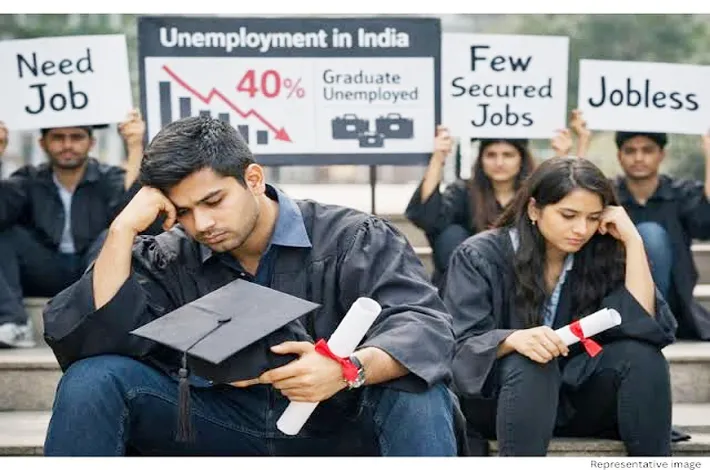
Unemployment allowance has remained a recurring election promise for Telangana's youth, with political parties assuring financial support until jobs are secured. Yet, despite changes in governments and chief ministers since the state's formation, the promise has largely remained unfulfilled, leaving lakhs of unemployed aspirants waiting for relief.
Statehood had raised hopes of faster recruitment, more government jobs and lower unemployment. More than a decade later, many job seekers say unemployment continues to be treated as a political issue rather than a governance priority. Recruitment drives are frequently delayed by court cases, administrative hurdles, revised examination schedules and late results, with appointments often taking months or even years after notifications are issued.
For aspirants, unemployment allowance is more than a welfare measure—it is a financial lifeline. Preparing for competitive examinations involves coaching fees, study materials, online courses, examination charges, travel and accommodation expenses. Candidates from middle- and low-income families often struggle to sustain these costs while awaiting recruitment.
Although political parties continue to include unemployment allowance in their manifestos alongside job creation promises, implementation has repeatedly been postponed, with governments citing financial constraints or administrative priorities. This cycle has fuelled growing scepticism among unemployed youth, many of whom question whether the promise is intended more to secure votes than to provide meaningful support.
Unemployment allowance has remained a politically significant issue across successive governments in Telangana. Ahead of the 2018 Assembly elections, the then BRS government promised Rs 3,016 per month, but the opposition criticised it for failing to implement the scheme. In the 2023 Assembly elections, Congress pledged Rs 4,000 per month until jobs were provided. Nearly three years into its tenure, unemployed youth say there is still no clarity on implementation.
Official estimates put Telangana's unemployed population at around 10 lakh, while critics claim it exceeds 20 lakh. With no legal obligation to fulfil every manifesto promise, governments have often cited financial or administrative constraints to defer such commitments. Unemployment organisations argue that recruitment should be expedited alongside fulfilment of welfare promises.
Social media has transformed public accountability. Election speeches and manifestos remain easily accessible, enabling youth to highlight delayed recruitment, postponed examinations, pending results and the unfulfilled unemployment allowance through online campaigns and hashtag movements.
Political observers note that unemployment allowance has evolved from a welfare measure into a key political issue. Congress criticised the previous BRS government over delays; now the opposition has turned the same criticism on Congress. Analysts believe continued public scrutiny will keep manifesto promises under pressure, with implementation likely to strengthen public trust and failure risking electoral consequences among Telangana's large youth voter base.