23 November, 2026 | 12:01 AM


Three scientists engineer viruses to fight cancer
23-11-2026 12:00:00 AM
big breakthrough
Pune Lab Engineers AI-Designed Viruses to Hunt India’s Deadliest Cancers
metro india news I
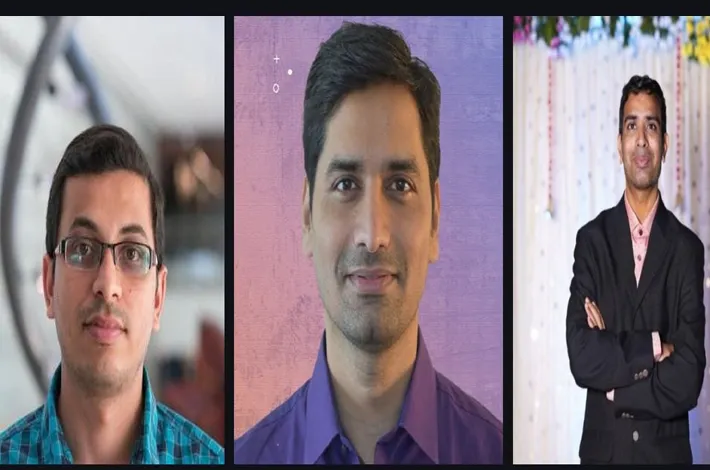
At the Indian Institute of Science Education and Research (IISER), Pune, three young scientists are exploring a new approach to cancer treatment. Dr. Yogesh Ostwal, Dr. Ayush Ranawade and Dr. Sunil Kapgate are engineering viruses that target and destroy cancer cells while sparing healthy tissue. Their startup, Nucleovir Therapeutics, founded in 2024 at the institute’s incubation centre, aims to make cancer treatment as simple as vaccination.
Oncolytic viruses infect and kill tumour cells while releasing signals that alert the immune system. This can turn immunologically “cold” tumours into “hot” ones that the body's defences can attack. Nucleovir uses a proprietary artificial intelligence (AI) model to accelerate virus design, generating candidates in weeks or months instead of years. The system analyses tumour profiles, proposes viral designs and uses computational filters, molecular simulations and laboratory experiments to identify promising candidates.
Its initial targets are glioblastoma, an aggressive brain tumour, and pancreatic cancer, both of which respond poorly to conventional chemotherapy, radiation and existing immunotherapies. The founders believe engineered viruses could offer a new treatment pathway for these and other difficult-to-treat solid tumours.
Nucleovir is India’s first licensed manufacturer of oncolytic viruses. It operates a 5,000-square-metre research facility on the IISER Pune campus, supported by the Atal Innovation Mission. After receiving early funding from Emergent Ventures, it was selected among the top five winners of BIRAC’s Bio-AI Hub programme in 2025. Speciale Invest led its seed funding round in June 2026, with participation from investors including Sunicon Ventures. NITI Aayog has also featured the company on its Frontier Tech portal.
The startup remains at the preclinical stage and is preparing its first animal trials for a glioblastoma candidate. Successful trials would pave the way for regulatory review and human studies.
Oncolytic viruses have been studied for over a century. Advances in synthetic biology and AI have improved their precision, safety and scalability. More than 200 trials are under way globally, with approvals granted for specific indications in some countries.
However, years of testing, substantial funding and regulatory clearances lie ahead. The founders' ambition is to develop therapies that could eventually offer a simpler, faster alternative to prolonged and toxic cancer treatments.
The three founders bring complementary strengths. Yogesh Ostwal, the CEO, trained at the Max Planck Institute and conducted postdoctoral work at KAUST. Ayush Ranawade, the chief scientific officer, has research experience spanning genomics, developmental biology and host-pathogen interactions at institutions including Caltech, Harvard and McMaster. Sunil Kapgate, the chief technology officer, contributes practical expertise in biologics and vaccine manufacturing. Together they combine deep scientific knowledge with the operational discipline required to move complex therapies toward the clinic.
How viruses fight?
Cancer cells often survive by hiding from the immune system. Oncolytic viruses reverse that camouflage. They infect and kill tumour cells directly and, in the process, release danger signals that alert the body’s defences.