17 July, 2026 | 1:04 AM


Yellampalli Project moves at snail’s pace
02-04-2026 12:00:00 AM
metro india news I hyderabad
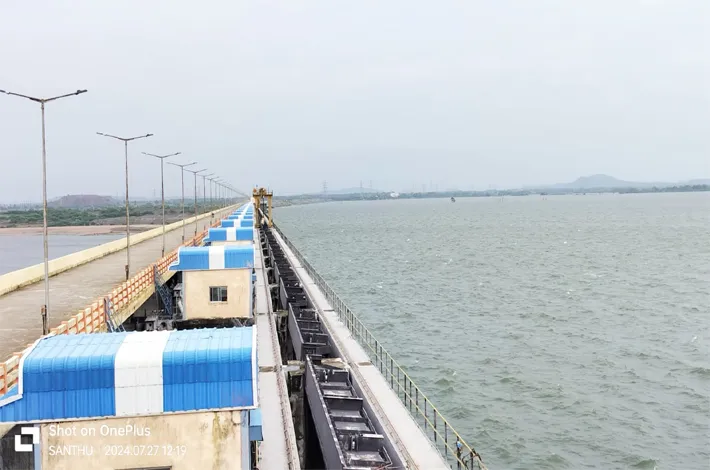
The Sripada Yellampalli Project, a key component in harnessing Godavari waters for Telangana, is facing several challenges that are limiting its effectiveness. Built at an estimated cost of around Rs 5,000 crore, the project plays a vital role in providing water for irrigation, drinking, and industrial use. However, delays in resolving critical issues and incomplete associated works continue to affect its performance.
Experts highlight that fluctuating water levels, dependence on lift irrigation, and rising power costs are complicating project operations. Delays in completing the Godavari Phase-II and Phase-III works have further restricted optimal utilization of water. In addition, unresolved compensation and rehabilitation issues involving displaced families remain a major concern, with some cases still under legal dispute, leading to local dissatisfaction.
Initiated in 2004 and becoming operational in 2016 near Mancherial, the project was designed to irrigate nearly 2 lakh acres with a storage capacity of about 20 TMC. It also supplies drinking water to Hyderabad and supports industrial needs in Ramagundam and Godavarikhani. Despite acquiring over 30,000 acres and displacing more than 20,000 people, many affected families claim compensation remains incomplete, with pending dues amounting to hundreds of crores.
The project has faced setbacks since inception, including land acquisition hurdles, funding constraints, and engineering challenges linked to its location on the Godavari River. Floods frequently disrupted construction, while administrative changes before and after state bifurcation slowed progress. Policy shifts toward newer projects also contributed to delays.
Seasonal fluctuations now pose a serious challenge. While the reservoir fills during the monsoon, water levels drop sharply in summer, raising concerns about long-term sustainability. Though officials say drinking and industrial supply continues, experts call for improved planning and regulated usage.
Reliance on lift irrigation adds to the burden, as it requires substantial electricity. Power interruptions often disrupt supply, affecting farmers the most. Complaints of uneven canal water distribution have also emerged, with some regions receiving sufficient water while others face shortages.
The incomplete Godavari Phase-II and Phase-III works continue to hinder expansion to distant areas. Meanwhile, growing urban and industrial demand—especially from Hyderabad and Ramagundam—is increasing pressure on the project.
Experts stress the need for a comprehensive approach, suggesting a shift toward integrated water management. Prioritizing drinking water, regulating industrial use, ensuring fair irrigation distribution, and exploring alternative sources are seen as essential for sustaining the project’s long-term utility.