25 November, 2026 | 12:01 AM


Time to fix journalism education
25-11-2026 12:00:00 AM

India is minting more journalism degrees than ever, but not the journalists democracy needs. It is time for surgery. The flaws and unhealthy practices in university journalism departments are evident. Curricula are crowded with theory, leaving little room for practical training. Much of the prescribed reading draws on American and European experiences, while India's regional press, multilingual media landscape, caste and religious dynamics, and rural realities receive scant attention.
In many departments, laboratories are outdated, cameras gather dust and student newspapers have fallen silent. Students who memorise textbook definitions earn high grades, while those who attend a ward meeting and file a crisp report receive little recognition. Many teachers have never worked in a newsroom, and examinations test memory rather than reporting skills.
Ironically, in Telugu-speaking States, most media jobs are in Telugu, but much of the teaching is in English. Students educated primarily in Telugu struggle with English-language journalism. Hindi is another missing link. Reporters unable to understand or communicate in Hindi find it difficult to translate national leaders' speeches and news agency copy. Proficiency in Telugu, English and Hindi should be a basic requirement for journalists in the region, but reality falls short.
Medicine, law and engineering have professional bodies prescribing minimum educational standards, but journalism has none. The result is a paradox: degrees are multiplying, but competent journalists remain in short supply.
Only someone who has been in the water should teach swimming. Yet university recruitment places overwhelming emphasis on qualifications such as PhDs and the National Eligibility Test (NET), keeping experienced newsroom editors away from classrooms. The University Grants Commission's 2022 Professor of Practice guidelines sought to address this gap. They allow professionals with at least 15 years of distinguished experience, including media practitioners, to join faculty without conventional academic qualifications or publication requirements. Up to 10 per cent of sanctioned posts can be filled this way, in addition to regular faculty positions.
Every journalism department should have at least one or two experienced journalists teaching with full responsibility and dignity. A reverse internship should also require existing faculty to spend a few months in newsrooms every few years.
Media technology changes rapidly, from print and television to websites, YouTube, social media and now AI-generated news. A syllabus drafted a decade ago cannot prepare students for today's newsroom. Every department needs an industry advisory board comprising editors, digital media professionals and alumni to review curricula every two years.
Verification, fact-checking, data journalism, mobile journalism, social media analysis and cyber law must become core subjects. Artificial intelligence is transforming journalism by writing short reports, translating copy and suggesting headlines. Simultaneously, deepfakes and fabricated stories are multiplying. Students must learn how to use AI responsibly, recognise its limitations and detect errors.
Ultimately, journalism's greatest strengths remain human: ground reporting, interviewing people, establishing facts, understanding context and exercising ethical judgment. These are skills no machine can replace.
Medical students must complete house ‘surgency’, while law graduates train under senior advocates. Journalism students, too, need practical exposure. The final six months or one year of a journalism degree should be a mandatory, stipend-paid residency at a recognised media organisation. Only then can journalism education produce professionals capable of serving democracy. In addition, every department should run a regular student-produced news outlet, be it a newspaper, a digital portal or a community radio station.
A model to follow
The Walter Cronkite School of Journalism and Mass Communication at Arizona State University openly describes its approach as a “teaching hospital” model. Just as medical students learn by treating patients in teaching hospitals, its journalism students work in a real news organisation under the supervision of seasoned professional journalists.
The university went so far as to bring the state’s public television station, Arizona PBS, into its journalism school. As a result, the student-produced Cronkite News has grown into the second-largest news organisation in the state, and several national foundations have urged universities everywhere to embrace the model.
Our universities, too, hold community radio licences, and our country has public broadcasters. With the will, our universities could become teaching newsrooms as well. Denmark goes a step further. At the Danish School of Media and Journalism, third-semester students tour the country’s media houses and apply for internships wherever they wish. The media organisations then hire them for a full eighteen months. In other words, a year and a half of genuine professional employment is built into the degree itself.
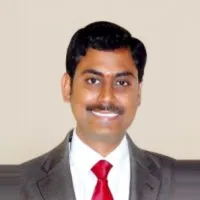
(Malladi Venkata Gopalakrishna
is a senior journalist and media researcher.
He is a visiting faculty
at Suravaram Pratapa Reddy Telugu University
and Dr. Babasaheb Ambedkar Marathwada University.)