29 September, 2026 | 12:38 AM


The tamarind tree that became a lifeline
29-09-2026 12:00:00 AM
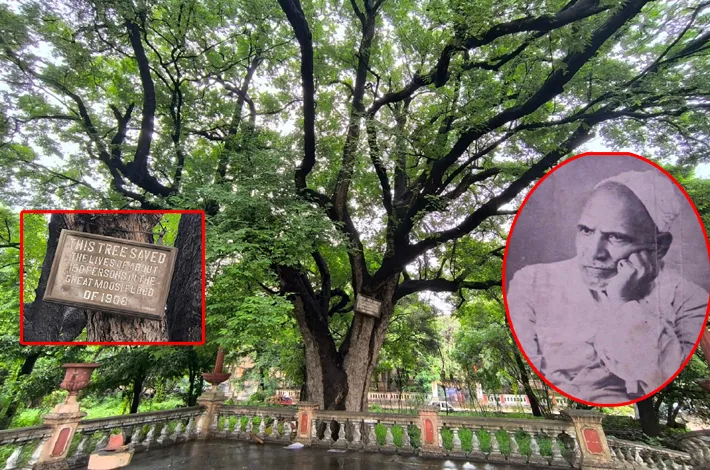
metro india news I hyderabad : On September 28, 1908, the Musi River rose with terrifying force, turning Hyderabad into a landscape of death and destruction. In the darkness and fury of the Great Musi Flood, homes disappeared, families were torn apart and thousands lost their lives. Yet, amid the devastation, one tamarind tree became an unlikely refuge—and is remembered as having saved more than 150 lives.
People fleeing the surging waters clung to whatever they could find. The tamarind tree offered a precious few branches above the floodwaters, allowing scores of people to escape the raging current. Among those who reportedly found safety in its branches was a young man who would later become one of Hyderabad’s celebrated Urdu poets—Syed Ahmad Hussain, known by his pen name Amjad Hyderabadi.
For Amjad, however, survival came at an unbearable price.
The flood swept away his mother, wife and daughter. He emerged from the catastrophe as the sole survivor of his immediate family. The tree that had given him life thus became inseparably linked with the deepest grief of his existence.
The tragedy changed Amjad forever. His poetry carried the wounds of that September night—loss, loneliness, faith and an attempt to understand suffering that seemed beyond human comprehension. He later wrote Qayamat-e-Sughra (The Minor Doomsday), drawing upon his experience of the devastating flood.
His words reveal the anguish of a man who had survived when those closest to him had not:
“Itni darya mein bhi na duba Amjad,
Dubne walon ko bas ek chullu kaafi hai.”
Even amid such a vast river, Amjad did not drown; for those destined to drown, even a handful of water is enough.
In another poignant verse, he wrote:
“Jo humne saha hai na saha hoga kisine,
Dekha hai jo kuch humne, woh dushman bhi na dekhe...”
What we endured, perhaps no one else has endured; what we witnessed, even an enemy would not wish to see.
More than a century later, the story of the tamarind tree remains intertwined with Hyderabad’s memory of the 1908 flood. It is not merely the story of a tree that stood above the waters. It is the story of survival, unimaginable loss and a poet who transformed personal tragedy into words that continued to speak for generations.
The tree saved lives that day. Amjad’s poetry preserved their memory—and the memory of those who were lost.