13 October, 2026 | 12:46 AM


The Democratic Paradox: Protest vs Subversion
13-10-2026 12:00:00 AM
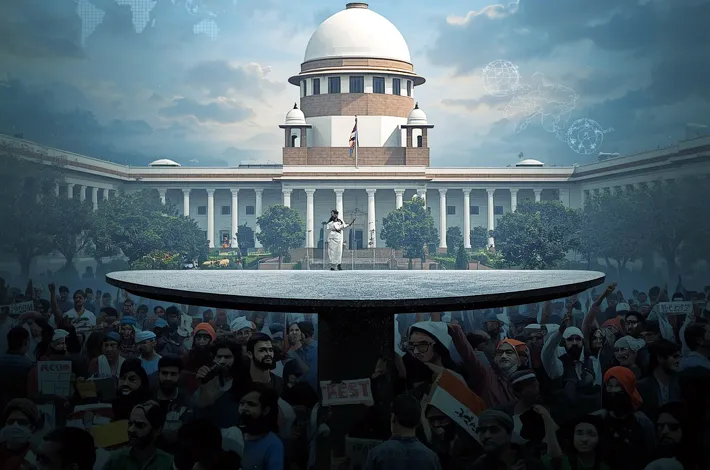
In a constitutional democracy, peaceful demonstration is recognized as a fundamental right, allowing citizens to draw the attention of the ruling dispensation to their grievances. Ideally, these movements follow a calibrated trajectory: starting with a memorandum, progressing to evidence-based discussions, and utilizing statutory redressal mechanisms. However, when dissidents bypass these steps to launch immediate, extreme street agitations, it often signals a deliberate attempt to erode confidence in statutory institutions.
This breakdown creates strategic openings for forces inimical to the nation. The highly specialized nature of modern mass agitations—relying on coordinated and distributed networks to share locations, provide logistics, and manage transportation—suggests a level of planning that goes beyond spontaneous public anger. When protests shift from seeking specific policy remedies to forcing the removal of constitutional authorities outside prescribed legal procedures, they cross the line from healthy democratic dissent into ideological subversion. The unlimited availability of social media has further augmented the ability to twist complete narration of facts.
It is ultimately common citizens who suffer the consequences of agitations and counter measures taken by the authorities.
Shifting goalposts and institutional strain
The shifting focus of the agitation raises questions about its direction. Initially driven by the NEET paper leak controversy and demands for the Education Minister’s resignation, it has since shifted towards electoral laws, the selection of the Chief Election Commissioner (CEC), and marches to the Supreme Court. Critics argue that the agitation has failed to pursue systemic education reforms.
Demands for the CEC’s resignation and opposition to electoral roll revisions and legal immunity for Election Commissioners have widened its scope. Marches seeking direct access to the Chief Justice and daily protests strain security forces, while ruling party counter-demonstrations risk escalating tensions and triggering widespread unrest.
Geopolitical intersections
An apolitical evaluation of domestic instability must also account for the broader geopolitical landscape. While domestic grievances may be real, the external environment reveals multiple friction points where international actors might exploit internal divisions to compromise national sovereignty:
·Multilateral and Human Rights Scrutiny: Statements from bodies like the United Nations High Commissioner for Human Rights (UNHCHR) regarding mass detentions add external diplomatic pressure.
·Economic and Regulatory Friction: The slowdown of the Indo-US trade agreement framework due to tariff and geopolitical complications, combined with US restrictions on IT companies regarding the Permanent Labor Certification Program, strains economic ties.
·Energy Sovereignty: Pressures and proposed tariff penalties stemming from India's strategic purchase of crude oil from Russia highlight the clash between independent foreign policy and global alignments.
·Technology and Security Disputes: Public friction over spectrum allocation policies, alongside India’s firm denial of any foreign role during critical security maneuvers like Operation Sindoor, highlights a pattern of pushback against external interference.
·The Digital Information Space: The meteoric rise of new political factions alongside foreign-based digital influencers, commentators, and platforms with opaque funding sources suggests an orchestrated effort to shape public perception and deepen societal fractures.
The Path to Democratic Stability
The litmus test for any public agitation is that partisan interests must never compromise overarching national interests. In a democracy, the ultimate authority rests with the electorate. If citizens are dissatisfied with the performance or policies of the ruling dispensation, the legally prescribed mechanism for change is the public verdict delivered at the ballot box.
To prevent a descent into anarchy, current street agitations must be paused in favor of constitutional channels. All political factions, activists, and institutions must prioritize public safety and national security over short-term political expedience, allowing democratic processes to function without the destabilizing pressure of continuous, manufactured unrest.
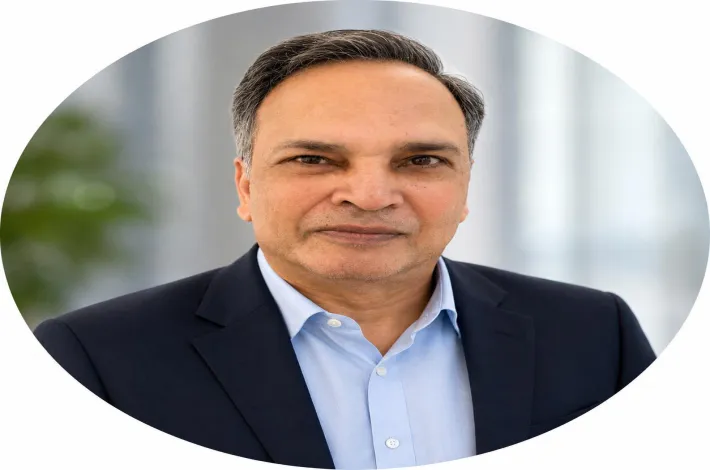
(S K Joshi served as
Chief Secretary of Telangana
from February 2018 to December 2019)