13 October, 2026 | 1:15 AM


Dowry, dignity and the death of values
13-10-2026 12:00:00 AM
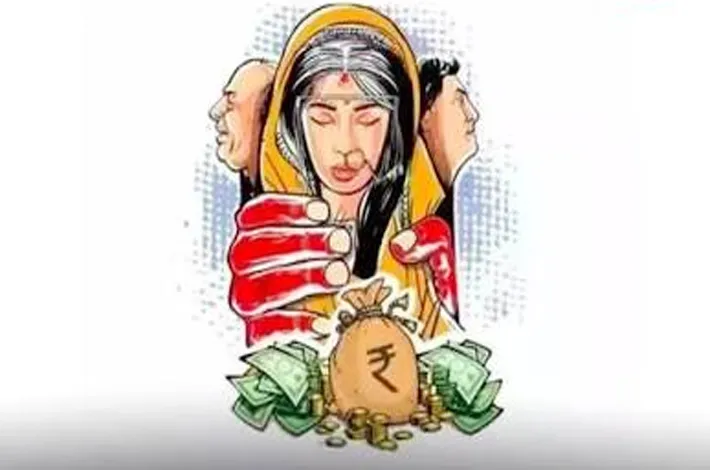
A woman in Bhadohi, Uttar Pradesh, reportedly alleged that her in-laws denied her access to a household toilet until she brought Rs 50,000 from her father as dowry. If established, the allegation reflects the use of power to humiliate by denying a basic necessity, raising questions about family values and women’s dignity.
Dowry’s harm extends beyond money and gifts, creating unequal power between families. When a bride’s acceptance depends on her parents’ contributions, marriage risks becoming a transaction rather than an equal partnership. Women bear the consequences of demands they may not control, while their parents face pressure to comply, fearing refusal could expose their daughters to rejection or mistreatment.
The many faces of domestic control
Control within a household is not always physical; it can involve financial restrictions, threats, humiliation, isolation and denial of freedom, often justified as discipline or tradition. Women’s objections may be labelled disrespectful, while family harmony becomes their responsibility. Care respects choices, but control dictates them; guidance permits disagreement, while domination punishes it. Domestic abuse includes the systematic denial of freedom and dignity, not merely physical violence. A safe home allows disagreement without fear.
True humanity lies in respecting those vulnerable to one’s authority. Wealth, education and status mean little without compassion. Culture, tradition, respect for elders and family honour lose meaning when used to excuse humiliation or protect injustice. No tradition outweighs humanity, and no family reputation justifies another person’s suffering.
The attitude towards women: Equality or Subordination?
A daughter-in-law is not a subordinate; her individuality, aspirations, opinions and rights deserve recognition. Respect requires autonomy, shared decisions and freedom from intimidation.
The first lessons are learnt at home
Children absorb attitudes towards women by observing family behaviour. Boys who see their mothers’ opinions dismissed may associate masculinity with authority, while girls may accept sacrifice as inevitable. Parents must model mutual respect, shared responsibilities and disagreement without humiliation. Sons must learn that marriage confers no authority over women, while daughters must understand that adjustment should never cost self-respect. Equality is best taught through example.
Education must build character
Qualifications and employment do not necessarily indicate moral maturity. Education provides skills, but character determines their use. Schools and colleges should promote gender sensitivity, emotional intelligence and conflict resolution. Parents and teachers must practise the values they teach, preparing young people to live responsibly with others.
Law can punish, values must prevent
Laws protect women against dowry harassment and domestic abuse, but cannot alone transform attitudes that normalise entitlement. Prevention begins when families reject dowry, communities refuse to excuse mistreatment and relatives take disclosures seriously. Legal protection and moral responsibility must work together.
Reimagining marriage
Marriage is a partnership founded on affection, trust, equality and shared responsibility, not hierarchy or transaction. Neither partner should surrender dignity to preserve appearances. Families should support couples rather than control them.
The real measure of a family
A family’s worth lies not in wealth, status or reputation, but in the dignity and security it offers every member. Change requires parents to teach equality, men to challenge injustice, elders to exercise authority compassionately and communities to reject harmful practices.
Ultimately, a family’s greatness is measured not by what it demands, but by how faithfully it protects dignity. Tradition must serve humanity, making homes places of security, equality and belonging.
(Vangeepuram Srinivasa Chary
is a counsellor,
human development trainer and media writer.
He holds an International Diploma in Guidance and Counselling
from the Regional Institute of Education (NCERT), Mysuru.)