27 September, 2026 | 12:08 AM


Tata, ECI expose institutional fractures
27-09-2026 12:00:00 AM
vjm divakar
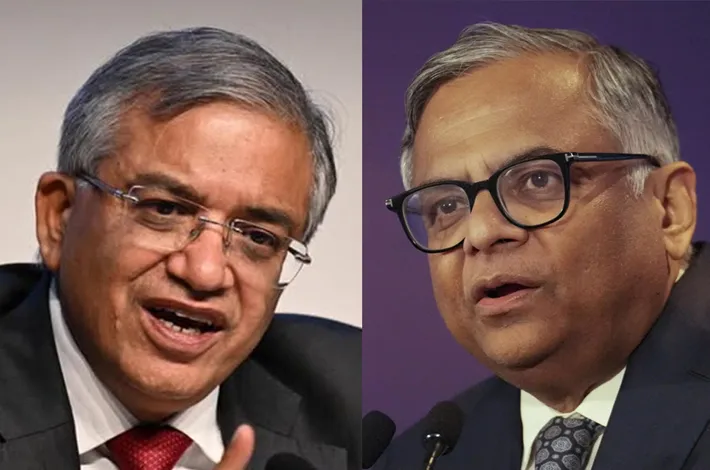
In the space of a few days in late September, two stories of profound institutional friction have dominated Indian public discourse. One involves alleged unilateral actions by Chief Election Commissioner Gyanesh Kumar that bypassed the other two Election Commissioners during the nationwide Special Intensive Revision of electoral rolls. The other centres on an open boardroom confrontation at Tata Sons, where the holding company’s directors reappointed N Chandrasekaran as chairman and signalled willingness to pursue a public listing against the explicit opposition of Tata Trusts, the majority shareholder led by Noel Tata. Together, two recent crises have amplified national skepticism toward established power centers and anxiety over the erosion of collective decision-making norms.
Electoral Commission Disquiet
Internal documents reveal that Election Commissioners Sukhbir Singh Sandhu and Vivek Joshi recorded at least 14 formal objections over ten months. Their concerns spanned unauthorized changes to new voter registration forms, centralizing the electoral database under ECINet, restricting local officers' authority, and handling voter deletions during the Special Intensive Revision (SIR). Sandhu termed certain moves "unauthorized and illegal." The friction reached a point where both Commissioners approached the Cabinet Secretary after an official altered IT oversight work allocations.
Meanwhile, the SIR exercise removed over 13 crore names from draft rolls across 30 states and union territories. The scale of deletions ignited political backlash, particularly in West Bengal. Opposition leaders, led by Rahul Gandhi, have demanded Chief Election Commissioner Rajiv Kumar's resignation or impeachment, framing the episode as institutional capture.
Petitions seeking a Supreme Court-monitored probe and a digital audit have been filed. While ruling party voices defend the EC's mandate and frame internal notes as technical observations, former Election Commissioners consider the reported rift unprecedented. Public confidence in the EC's neutral, collegial structure has been significantly shaken.
Tata Group Governance Clash
Parallel to the political storm, the Tata Group faces an intense internal governance conflict. On September 17, the Tata Sons board voted to extend Chairman N. Chandrasekaran’s term for five years and agreed to steps toward a stock-market listing to meet Reserve Bank of India requirements. However, Noel Tata, chairman of Tata Trusts (which holds a ~66% stake), opposed both decisions. Tata Trusts labeled the reappointment illegal under the company's Articles of Association, arguing that the absence of unanimous support from Trust-nominated directors invalidated the board's majority vote.
The dispute also touches on the exit of the Shapoorji Pallonji Group’s minority stake and fears that listing could dilute the group's philanthropic identity. Legal battles over governing documents have already erased tens of thousands of crores in market value across group companies. Pitting professional management against family-linked trusts, this open rupture threatens investor confidence and supply chains across Tata's sprawling presence in aviation, steel, automobiles, and technology.
A Shared Fragility
These parallel crises highlight a broader breakdown in institutional checks. In the electoral domain, the fear centers on the dilution of collective responsibility within a constitutional body safeguarding democracy. In the corporate sphere, it centers on the breakdown of the balance between ownership and management in an iconic enterprise. Across both, the public senses that unilateralism is advancing at the expense of deliberation and consensus, leaving a prevailing register of diminished trust and heightened vigilance toward power centers that once commanded deference.
Need Seshan Effect Now!
T.N. Seshan, India’s Chief Election Commissioner from 1990 to 1996, fundamentally transformed the office by imbuing it with unprecedented authority, independence, and public legitimacy. Initially viewing the post as a peripheral assignment, Seshan sought counsel from his spiritual guide, the Paramacharya of Kanchi, who framed it as an opportunity to perform extraordinary service for the nation.
Upon accepting the role, Seshan redefined it entirely. He maintained that the CEC answered only to the President, Parliament, the people, and the Supreme Court—refusing any influence from the executive branch. He famously declined correspondence addressed to him as part of the "Government of India," insisting the Commission stood outside executive control and simply enforced the Constitution and the Representation of the People Act.
The practical impact was immediate. Seshan strictly enforced the Model Code of Conduct, curbing money and muscle power. He introduced voter identity cards on a massive scale, tightened expenditure scrutiny, disciplined non-compliant bureaucrats, and asserted authority over the deployment of central forces. Though politicians accused him of overreaching, courts largely upheld his actions, and the public rallied behind his uncompromising stance.
Today, growing public scrutiny, allegations of selective enforcement, and questions over institutional autonomy have revived a intense longing for Seshan’s standard. While defenders argue that electoral technology and legal frameworks have advanced since the 1990s, statistical improvements have not erased a widening deficit of trust. Critics contend the current Commission appears far more vulnerable to political pressure.
What citizens seek when invoking the "Seshan Effect" is not mere nostalgia, but a practical restoration of core principles: absolute independence from power, fearless application of rules across all parties, and a refusal to compromise constitutional mandates. Though political financing and institutions have grown more complex, Seshan’s legacy remains the benchmark. Until the Election Commission visibly reclaims its distance from executive power, public confidence in the democratic process will remain incomplete. The nation is once again waiting for that clarity of purpose to reappear.