25 September, 2026 | 6:07 AM


Supreme Court sounds alarm on pre-election freebies and cash transfers
20-02-2026 12:00:00 AM
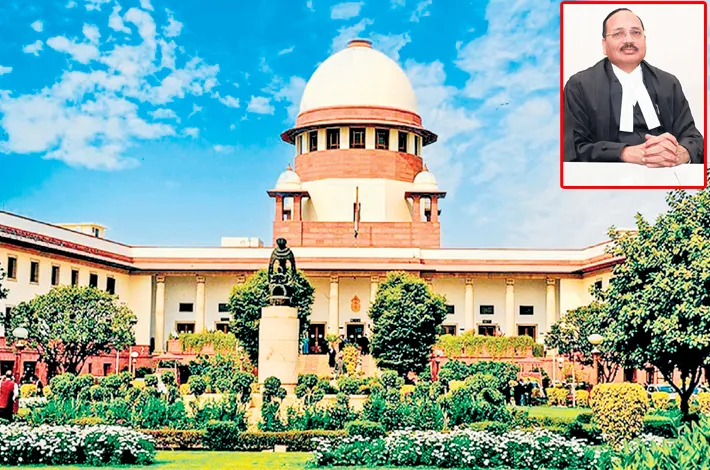
In a significant judicial intervention, the Supreme Court of India has voiced strong concerns over the escalating practice of political parties announcing cash transfer schemes and so-called "freebies" in the run-up to elections. During a hearing on February 19, 2026, a bench led by Chief Justice Surya Kant, along with Justices Joymalya Bagchi and Vipul M. Pancholi, warned that such indiscriminate distributions could undermine long-term nation-building efforts. The remarks came while adjudicating a petition filed by the Tamil Nadu Power Distribution Corporation challenging Rule 23 of the Electricity Amendment Rules, 2024, which pertains to subsidies and electricity-related benefits.
The court emphasized that while welfare measures for the marginalized are essential, blanket giveaways without economic criteria risk turning into mere appeasement tactics rather than sound policy. The bench delved into the fiscal implications of these schemes, questioning how deficit-ridden states can sustain large-scale distributions without compromising on critical infrastructure investments. Chief Justice Kant specifically highlighted the timing of such announcements, often made abruptly before polls, raising red flags about fiscal responsibility.
"What kind of culture are we developing pan-India?" the CJI remarked, pointing to a progression from free food and bicycles to direct cash transfers into bank account. The court noted that absorbing costs like power bills for all citizens, regardless of need, burdens taxpayers and leaves little for development in areas such as roads, hospitals, irrigation, and employment generation. It also expressed worries that excessive state support might erode work culture and self-reliance, asking whether such dependence discourages productive labor.
Clarifying its stance, the Supreme Court stated it was not directing states to prioritize profits but insisted that those who can afford services should pay, ensuring aid reaches only the genuinely needy. This hearing is part of a broader series of petitions before the Supreme Court addressing the freebies issue, including a public interest litigation (PIL) set for a three-judge bench in March 2026. The court's observations echo earlier criticisms, such as Prime Minister Narendra Modi's 2022 reference to "revdi culture," likening freebies to sweets distributed frivolously to buy votes.
Recent examples include Tamil Nadu's Rs 5,000 transfer to 1.31 crore women, costing Rs 6,550 crores, and similar schemes in Bihar and other states, where spending on such initiatives has ballooned fivefold since 2023 to nearly Rs 1.7 lakh crore. The Supreme Court's critique has reignited a heated debate on the role of freebies in Indian elections. Proponents argue that these schemes are vital welfare measures aimed at poverty alleviation and bridging inequalities. Parties like the Aam Aadmi Party (AAP), Dravida Munnetra Kazhagam (DMK), and Congress defend them as essential for uplifting the marginalized, providing access to education, healthcare, and basic services.
For instance, AAP's senior advocate Abhishek Manu Singhvi has stressed the need to distinguish legitimate social welfare from "irrational freebies," warning that blanket bans could hinder public-good initiative. Surveys indicate mixed urban sentiments, with some viewing freebies as empowering tools that improve living standards for the disadvantaged. Critics, however, contend that freebies foster a transactional politics that prioritizes short-term gains over sustainable development. The Bharatiya Janata Party (BJP) and economists highlight the fiscal perils, noting that unconditional cash transfers risk "fiscal rot" and crowd out investments in infrastructure and jobs.
Critics, however, contend that freebies foster a transactional politics that prioritizes short-term gains over sustainable development. The Bharatiya Janata Party (BJP) and economists highlight the fiscal perils, noting that unconditional cash transfers risk "fiscal rot" and crowd out investments in infrastructure and jobs. Detractors argue this creates dependency, strains public finances, and diverts taxpayer money from essential sectors like health and education, potentially stalling GDP growth and raising debt levels. Political analyst Javed Ansari notes that this trend, originating in Tamil Nadu in the 1980s-90s, has spread nationwide, making elections "merely transactional."
As India grapples with balancing welfare and fiscal prudence, the Supreme Court's upcoming hearings could set precedents.