3 October, 2026 | 1:26 AM


STARTUPS, ON SATURDAY VCs are on a clock too!
03-10-2026 12:00:00 AM
There are many LinkedIn posts that showcase a funding announcement for a Startup. It usually has the Founder or Cofounders beaming. And to be fair to them, each funding round changes the lifespan and chances of success for the company (I have had such social media posts for my startup too). These announcements are also made by the VC investor. He or she is beaming too. Many times, there is also an accompanying press release about building a disruptive company that will endure a few decades. There is one thing that remains unsaid - that the money that exchanged hands in this announcement does not have decades to return. It has to go back home in ten years or less.
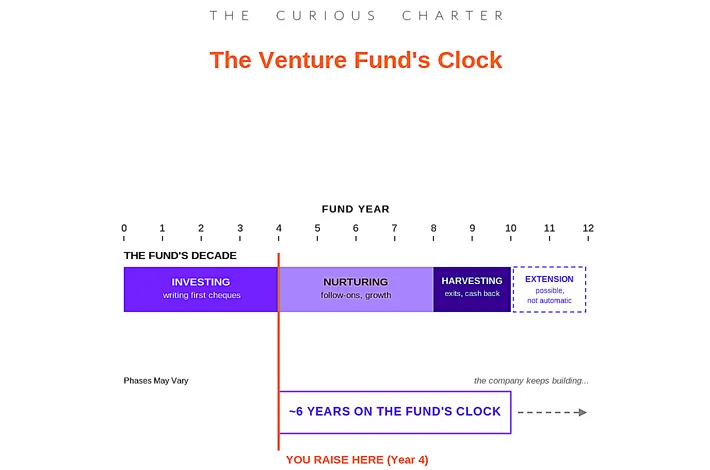
To understand this timeline, let’s look at where venture money comes from. Not from the VCs own pocket - it comes from institutions (pension funds, insurance companies, endowments), family offices (that manage wealth of rich families) and high net worth individuals. They hand this money to venture funds, and it is locked for the “funds life” which is typically ten years. While the startup founders may have multi-decade dreams, the fund that backs these dreams has a deadline. That mismatch is this Saturday's theme.
A venture fund's decade follows a lifecycle. The first 3-4 years are for writing investment cheques into promising startups, the middle years are for nurturing this portfolio and helping those companies with more capital or helping them raise more capital. The final two years are typically for harvesting, selling their stakes in the business via IPOs or secondary sales to other investors to return cash to the institutions and people who invested. Extensions of a year or two are possible but not the norm.
Why should Founders care about this? It is because this stage of the lifecycle when you take this money changes the time you have to find an exit solution. If you raise it early in the lifecycle, you have ten years to return it; if you raise it late, you may have as little as six. The reserves for your next round must be committed before the investing window closes. A fund in the harvest zone optimizes for time and not for the price. For a founder, knowing the VC’s obligations and timelines makes for a good partnership. Not knowing this timeline and this equation may lead to unnecessary conflicts or misunderstanding between shareholders.
To paint a complete picture, the clocks can be different for different investors. The clock described above is true for typical venture capital investors. A fund manager with supportive backers can buy time. There are some perennial funds too. Then there is corporate venture capital. Understanding each investors clock is an important aspect for a Founder raising capital.
Even if you are not a Founder raising money, understanding this clock explains the headlines you read or understand your company direction if you work in the startup ecosystem. This clock may be the reason why ‘a startup is sold suddenly’ or ‘it hurries to list on the stock exchange’.
Why it matters: Startup journeys are highly unpredictable by definition. The dreams may simply fail or may come true in years or in decades. However, the money that feeds them needs to go back on schedule. Knowing this clock can help turn surprises into plans for entrepreneurs as well as the teams they build.
(Ravi Ravulaparthi is the CEO & Cofounder of Qapita.)