3 October, 2026 | 12:45 AM


mahatma zinda hai
03-10-2026 12:00:00 AM
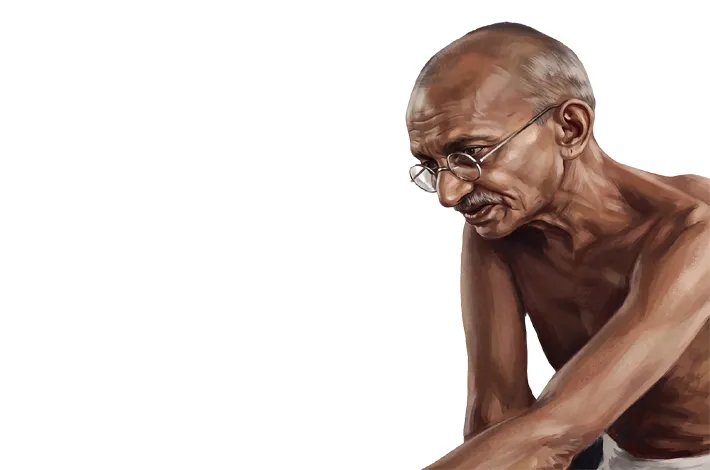
People across ideological divides remembered Mahatma Gandhi on several platforms across the length and breadth of the country
hema singuluri I hyderabad : On his 157th birth anniversary on October 2, 2026, Mahatma Gandhi, born Mohandas Karamchand Gandhi in 1869 in Porbandar, Gujarat, dominated social media conversations in India and across the world. The surge coincided with Gandhi Jayanti, one of India’s three national holidays, and the United Nations-designated International Day of Non-Violence. X (formerly Twitter), Instagram, WhatsApp and other platforms carried tributes, quotes, greetings, critical reflections and debates on Gandhi’s relevance in the digital age.
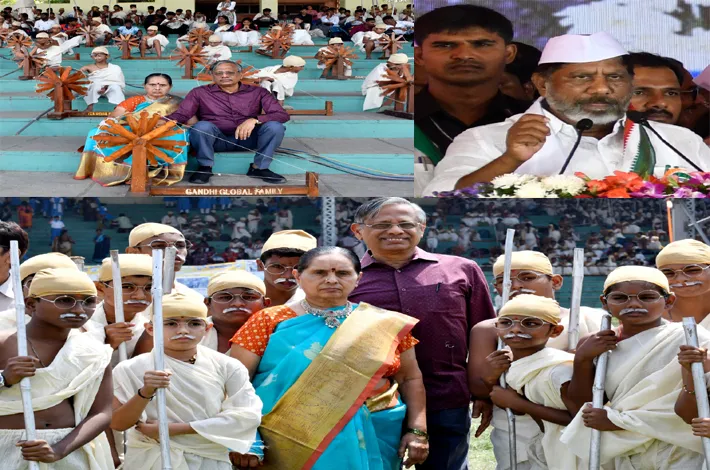
In India, the day saw widespread official and public commemorations. Prime Minister Narendra Modi paid floral tributes at Rajghat in New Delhi and called for Gandhi’s timeless message to guide society and a Viksit Bharat. He also linked Gandhi’s emphasis on Swadeshi to an appeal to citizens to buy at least one Khadi product. President Droupadi Murmu highlighted the relevance of his message of peace and non-violence amid global conflicts, while Vice President C.P. Radhakrishnan and Congress president Mallikarjun Kharge also stressed truth, non-violence, harmony and justice. Cleanliness drives under Swachhata Hi Seva and events such as Swachhathon 2026 in Andhra Pradesh added a practical dimension to the observance.
As a gazetted national holiday, Gandhi Jayanti also brought institutional closures. Banks closed physical branches in accordance with the Reserve Bank of India calendar, while ATMs, UPI and digital banking continued. The NSE and BSE remained shut for regular trading, with activity resuming after the weekend. Schools, colleges and central government offices observed the holiday, while private-sector practices varied. These closures further amplified public attention and online activity.
Hashtags including #GandhiJayanti and #MahatmaGandhi saw heavy usage. Users shared Gandhi’s quotes, messages promoting truth, kindness and non-violence, images and video tributes. Official accounts, political parties, brands and ordinary users contributed greetings and reflections. Discussions, however, extended beyond ritual remembrance. Analyses explored how Gandhi might have used modern platforms. One analysis on mkgandhi.org suggested that, as an editor and storyteller, he might have used Instagram, YouTube Shorts and X not for vanity metrics but to document civic action, promote dialogue and mobilise people around truth and non-violence.
Gen Z engagement was often more critical. Some viewed Gandhi’s ideas of simplicity, restraint and satyagraha as radical in an era of instant gratification and inequality. Others raised questions around gender, caste and structural power, frequently comparing Gandhi’s record with that of B.R. Ambedkar. Recent youth protests, including those at Jantar Mantar, invoked non-violent resistance, with participants declaring, “Gandhi zinda hai.”
The UN framework reinforced the day’s global character. Gandhi’s philosophy influenced leaders such as Martin Luther King Jr. and Nelson Mandela, and the annual observance keeps that legacy visible. Yet digital culture also creates tensions. Social media can reduce complex historical figures to memes and shareable fragments, while algorithms often reward polarisation over nuanced discussion. Gandhi’s emphasis on self-mastery, truth-seeking and ahimsa therefore sits uneasily within an outrage-driven attention economy.
October 2, 2026, brought together institutional observance, political statements, holiday closures and high-volume digital engagement. The result was a renewed public conversation about truth, non-violence, Swadeshi, youth activism and digital responsibility. Whether that conversation develops into sustained action or remains largely commemorative is ultimately determined not by the platforms, but by the users and societies that inhabit them.
What GenZ thinks about Mahatma?
Metro India spoke to a few youngsters to find out what they think of the father of the nation and does his thoughts resonate with theirs…
Kunal Sharma, a 24- year-old filmmaker in Hyderabad, says “I disagree with several of his views and methods. I feel his legacy is often presented without enough attention to the criticisms surrounding him. Some of his positions on caste, social issues, and politics are difficult for me to digest. For me, respecting history also means being willing to question its most celebrated figures.”
S Jhanvi, 25, employee at Amazon thinks that his ideas of simplicity, self-discipline, and standing up for justice remain relevant and Gandhi continues to inspire discussion, respect, and debate among today’s youth. Disha Rungta, a 22-year-old marketing employee takes one to another aspect of his life- Gandhiji believed in non-violence and truth but he was assassinated by an Indian itself. The reason behind his assassination could be due to his own actions.”