28 November, 2026 | 12:00 AM


SC orders lighting of Deepam today
28-11-2026 12:00:00 AM
- ■ Dissolution of the Temple Trust
- ■ The lamp (deepam) must be lit tomorrow
- ■ Contempt of the court order has been established
- ■ Notices issued to the CS (Chief Secretary), DIG, Collector, SP, and the Temple HR Manager
- ■ The responsibility of serving these notices lies with the CS and DIG, with a three-day deadline
- ■ The CS and DIG must appear in court in person; Video Conferencing (VC) is not permitted
metro india news I hyderabad
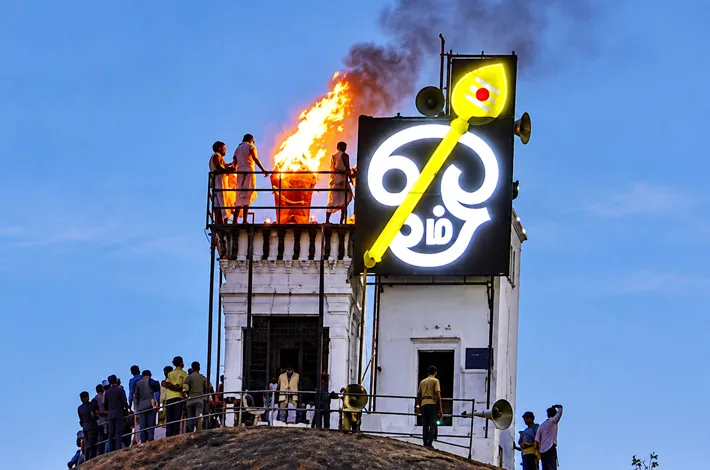
In a firm intervention in the ongoing Thiruparankundram Deepam row, the Supreme Court on Friday directed that the Karthigai Deepam be lit at the disputed Deepathoon (stone lamp pillar) atop Thiruparankundram Hill in Madurai on Saturday, November 28. A bench of Justices Aravind Kumar and Vipul M. Pancholi ordered the ritual to be performed using the flame that had been lit at the Uchi Pillaiyar Mandapam on November 24, the original festival day.
The Court simultaneously suspended and superseded the Board of Trustees of the Arulmigu Subramaniya Swamy Temple. It appointed two former High Court judges — Justice S. Vaidyanathan, former Chief Justice of the Meghalaya High Court and Justice V. Parthiban, former judge of the Madras High Court — as receivers to take immediate charge of the temple’s administration. The receivers have been tasked with ensuring the lighting of the Deepam while administering the temple in accordance with its traditions, rituals, and applicable rules.
The Central Reserve Police Force (CRPF) was directed to take over security of the temple and the entire hill forthwith. The force is also to protect the nearby Sikandar Badusha Dargah and ensure that devotees visiting it face no hindrance. Finding a prima facie case of wilful disobedience of its earlier order, the bench issued show-cause notices to 15 persons, including the Tamil Nadu Chief Secretary, Director General of Police, Madurai Collector, the temple’s Executive Officer, and the trustees. The Chief Secretary has been asked to file a detailed affidavit on all communications exchanged among officials and to appear in person.
The dispute centres on the long-contested practice of lighting the traditional Karthigai Deepam at the Deepathoon on the lower summit of Thiruparankundram Hill, roughly 50 metres from the Sikandar Badusha Dargah.
The Arulmigu Subramaniya Swamy Temple stands at the base of the hill. Hindu petitioners and organisations have sought recognition of the pillar as a customary site for the festival lamp, while the dargah management and the state have raised concerns over proximity, title, and potential law-and-order issues. A single judge of the Madras High Court had earlier directed lighting at the Deepathoon; a Division Bench later upheld key findings. The Tamil Nadu government challenged these orders in the Supreme Court.
On November 20, the apex court, balancing the immediacy of the festival with the pending appeals, had allowed lighting as a strictly limited one-time measure for November 24. The Court repeatedly clarified that the permission did not amount to recognition of an essential religious practice or create any new right of custom, access, or ownership. Despite the order and an undertaking given before the Madras High Court, the lamp was lit only at the customary Uchi Pillaiyar Mandapam location and not at the Deepathoon.
The Madurai Collector later filed a compliance report blaming the temple trustees, who had passed a resolution declining to authorise a team for the disputed site. This non-compliance triggered multiple contempt petitions and applications seeking that the lamp still be lit during the ongoing Karthigai month. During Friday’s hearing, the Court confined itself to the limited question of compliance with the November 20 direction and declined to examine the larger title and customary-practice issues, which remain open for final adjudication.
Friday’s order marks a significant escalation, removing the existing temple trustees from immediate control, placing administration under court-appointed receivers, and deploying central forces for security. While the main appeals concerning ownership, the character of the Deepathoon, and religious rights are yet to be finally decided, the Supreme Court’s latest directions aim to secure immediate compliance and underscore that judicial orders must be implemented in letter and spirit.