17 August, 2026 | 9:33 AM


SC dismisses YS Sunitha’s petition
12-03-2026 12:00:00 AM
Gives Trial Court 4 weeks to dispose petitions
- The bench observed that further consideration of petitions seeking cancellation of bail for the accused was unnecessary
- Supreme Court dismissed the petitions earlier filed by the CBI and by Sunitha Reddy, the daughter of Vivekananda Reddy
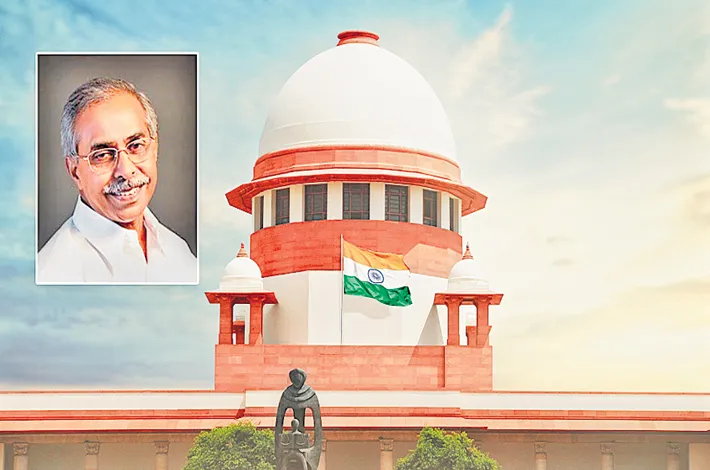
The Supreme Court has issued significant directions in the high-profile murder case of former Andhra Pradesh minister Y.S. Vivekananda Reddy, marking an important development in the long-running investigation. During the latest hearing, the Central Bureau of Investigation (CBI) informed the apex court that its investigation into the case had been completed. Taking note of the submission, the Supreme Court directed the trial court to expedite the proceedings and conclude pending matters within a fixed timeline.
Appearing before the court, the counsel representing the CBI stated that the agency had already filed the third supplementary chargesheet in the case. With this submission, the agency clarified that the investigation from its side had formally concluded. In view of this development, the bench observed that further consideration of petitions seeking cancellation of bail for the accused was unnecessary. Accordingly, the Supreme Court dismissed the petitions earlier filed by the CBI and by Sunitha Reddy, the daughter of Vivekananda Reddy.
However, during the hearing, the counsel representing Sunitha Reddy argued that certain crucial aspects raised by the family had not been adequately investigated by the CBI. The lawyer urged the court to take note of these concerns, stating that several key issues still required proper examination during the judicial process.
Responding to these submissions, the Supreme Court clarified that any objections related to evidence, procedural issues or aspects of the investigation should be raised directly before the trial court handling the case. The bench advised the petitioner to pursue appropriate legal remedies at the trial court level if there were concerns regarding the investigation or the materials placed on record.
The apex court further instructed the trial court to examine all petitions filed under Section 207 of the Criminal Procedure Code and proceed with the case accordingly. Emphasising the need to prevent further delays, the Supreme Court imposed a strict timeline for the lower court to act.
In a key directive aimed at accelerating the judicial process, the Supreme Court ordered the trial court to dispose of all pending petitions within four weeks and deliver appropriate rulings. With this one-month deadline in place, the coming 30 days are expected to be crucial in determining the next course of action in the Vivekananda Reddy murder case.
Reacting to the developments, YSRCP leaders stated that the Supreme Court’s directions would help accelerate the judicial process and bring clarity to the case. Speaking to Metro India, YSRCP leader G Srikanth Reddy said that they respected the court’s decision and hoped the trial would proceed swiftly so that the truth behind the murder could emerge in a transparent manner. He also expressed confidence that the judicial process would ultimately ensure justice in the sensational case that has remained at the centre of Andhra Pradesh’s political debate for several years.