2 October, 2026 | 12:33 AM


Pollution turns groundwater toxic in Patancheru
02-10-2026 12:00:00 AM
metro india news I PATANCHERU
Once a vital source of drinking water and irrigation, the groundwater in Patancheru and surrounding industrial areas of Sangareddy district has increasingly come under scrutiny over alleged contamination by industrial chemicals.
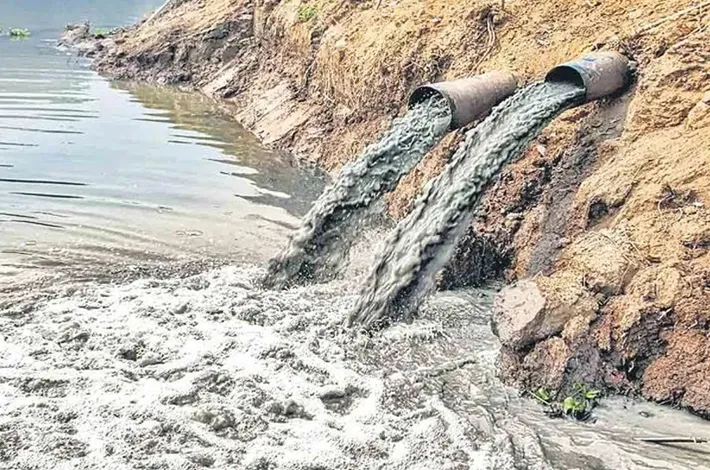
Residents and environmental activists allege that negligence by industrial units and inadequate enforcement by authorities have turned underground water resources into repositories for chemical waste. They claim that water once considered safe for drinking and agriculture now carries chemical discoloration and strong odours.
Residents claim that exposure to contaminated water and industrial chemicals has affected their health and that pregnant women and unborn children may be particularly vulnerable. Claims of miscarriages and birth defects have also been reported by people in the affected areas, although the specific causes of such cases would need to be established through medical and scientific investigations.
While rainfall is generally welcomed by farmers and residents, people living in Patancheru, Bollaram, Jinnaram, Khajipally and Pashamailaram reportedly fear the consequences of heavy rain. Residents allege that some industries use stormwater flows and drainage channels to dispose of stored chemical waste into local water bodies, including Nallacheruvu and Asmanpur Cheruvu. Residents also claim that chemicals seep into the soil and contaminate groundwater, including water drawn from borewells.
What do the reported figures show?
The report cites data attributed to the Central Ground Water Board and environmental research organizations, claiming that water-quality indicators in parts of Sangareddy's industrial corridor have exceeded permissible limits by significant margins. It states that total dissolved solids (TDS) in drinking water would generally be expected to be around 300–500 milligrams per litre, while borewell samples from areas around Patancheru and Bollaram have reportedly recorded levels of 3,500–6,000 mg/L. If confirmed, such levels would indicate severe water-quality deterioration.
Environmental experts and residents warn that, if such practices are taking place, they could contaminate groundwater over a wide area and create long-term environmental risks. People living in villages including Gaddapotharam, Nandikandi, Kistayipally, Domadugu and Isnapur have reportedly complained about polluted water, industrial emissions and strong chemical odors.
Questions over implementation of court orders
The Supreme Court and the National Green Tribunal have previously dealt with industrial pollution issues in the region. The report states that industries responsible for pollution have faced substantial penalties and that authorities have required measures aimed at preventing the discharge of untreated industrial effluents, including compliance with zero-liquid-discharge requirements in applicable cases. Despite these measures, residents allege that enforcement on the ground remains inadequate.
People in affected villages claim that borewells sometimes produce water with a strong chemical odor and unusual red coloration. Some residents say that even with Mission Bhagiratha water supply, the quantity is insufficient for their needs, forcing them to purchase drinking-water cans at around Rs 40 per day. Residents are now demanding stronger monitoring of industrial units, regular independent testing of groundwater and surface water, and strict action against any units found violating environmental regulations.