27 September, 2026 | 8:48 PM


No confidence motion against speaker- Is it the right time?
12-03-2026 12:00:00 AM
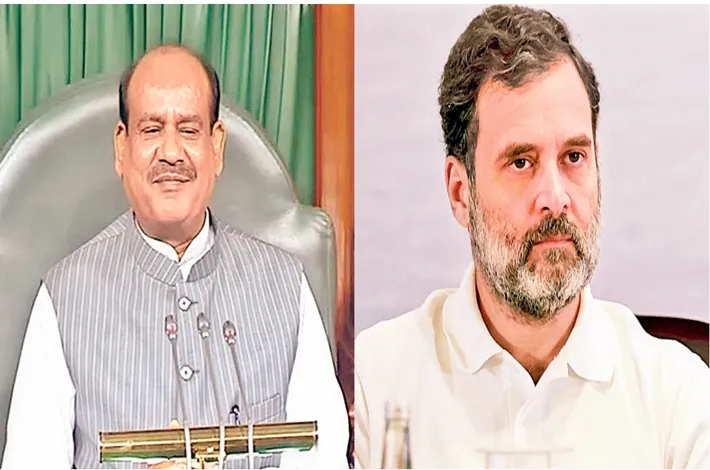
The Lok Sabha witnessed significant disruption on the opening day of the second half of the Budget Session, as repeated adjournments prevented the House from debating a no-confidence motion against Speaker Om Birla. Opposition members, primarily from the Congress and allied parties, insisted on prioritizing a comprehensive discussion on the escalating situation in West Asia (particularly involving tensions with Iran, oil supply disruptions, and impacts on Indian interests), leading to protests, slogans, and multiple adjournments. Proceedings resumed at 3 p.m. but ultimately failed to progress on the scheduled no-confidence motion.
The motion against Speaker Om Birla, moved earlier and supported by 118 Opposition MPs, stemmed from allegations of partisan conduct, including not allowing adequate speaking opportunities to Opposition leaders like Rahul Gandhi and unequal treatment in handling disruptions or remarks. However, the day's agenda shifted amid the Opposition's push for debate on foreign policy matters, including India's response to the West Asia crisis, stranded Indians in the Gulf, rising oil prices, potential inflation in essentials like fuel and food, and the need for contingency plans to safeguard energy security, traders, and export chains.
In the chair, BJP MP Jagdambika Pal urged members to maintain decorum and proceed with the no-confidence motion, reminding the Opposition that their adjournment notice on West Asia could not be entertained at that stage. He accused them of holding proceedings "hostage," wasting taxpayers' money (approximately Rs 9 crore daily to run the House), and exhibiting immature and irresponsible behaviour driven by political motives.
Tensions rose with sharp exchanges, including between Union Minister Kiren Rijiju and Opposition MPs as the standoff intensified. Congress spokesperson Ashwini Kumar defended the Opposition's actions, arguing that the BJP government had offered only "deafening silence" on the crisis. He highlighted issues like stranded Indians, massive oil shocks, lack of contingency plans, and Prime Minister Modi's alleged silence on key events—such as the killing of a head of state, incidents involving Iranian assets, and U.S. President Trump's claims on India-Pakistan matters or tariffs. Ashwini questioned where Modi's "Vishwa Guru" image were when India's interests were at stake, emphasizing the need to protect energy security, assist traders, and diversify supply chains to avert inflation.
When pressed on why the Opposition disrupted the House instead of debating their own no-confidence motion, Ashwini maintained that the two issues were separate, accusing the government of dodging accountability and diverting attention. He reiterated demands for the Prime Minister to speak directly rather than relying on the External Affairs Minister's statement, and criticized unequal treatment, such as mic muting, suspensions of Opposition MPs, and leniency toward ruling party members.
BJP leaders countered sharply, asserting that Congress was not the sole "custodian of India" and had lost electoral ground. They condemned personal attacks and "body shaming" of the Prime Minister as unethical. Defending Speaker Birla as having a legendary record of protecting institutions, They accused the Opposition of running away from their own motion and lacking strategy. They also praised External Affairs Minister S. Jaishankar's statement in Parliament, which addressed energy safeguards, protection of Indians in the Gulf, and other national concerns systematically. A party spokesperson called the Opposition's disruptions irresponsible amid global dire circumstances, questioning their emotional intelligence and role in opposition.
Another political analyst stressed that debates, discussions, and deliberations are essential, and statements outside Parliament do not suffice. Manish questioned why a strong-majority government avoids answering in the House, why the no-confidence motion isn't addressed directly, and why past opposition criticisms of speakers (by figures like L.K. Advani or Sushma Swaraj) were not deemed disrespectful. He predicted continued disruptions without an all-party meeting for productive debate and leadership from both sides.
The debate highlighted deep political divides: procedural discipline versus urgent demands on foreign policy, with the Opposition prioritizing national interests amid global crisis, while the ruling side accused them of evasion and chaos. As the session continues, the logjam over these intertwined issues—Speaker's conduct and West Asia—raises questions about parliamentary productivity in the weeks ahead.