27 June, 2026 | 9:13 AM


Govt to sustain capex push despite fiscal stress: Vualnam
02-05-2026 12:00:00 AM
New Delhi
The Centre will press ahead with its planned ₹12.22 lakh crore capital expenditure for the current fiscal, prioritising growth even as global uncertainties and geopolitical tensions strain public finances, a senior Finance Ministry official said on Friday.
V Vualnam said the coming quarters could see multiple “stress points”, including weaker tax buoyancy following recent excise duty cuts on petrol and diesel.
Despite these pressures, the government remains committed to maintaining capital spending at budgeted levels.
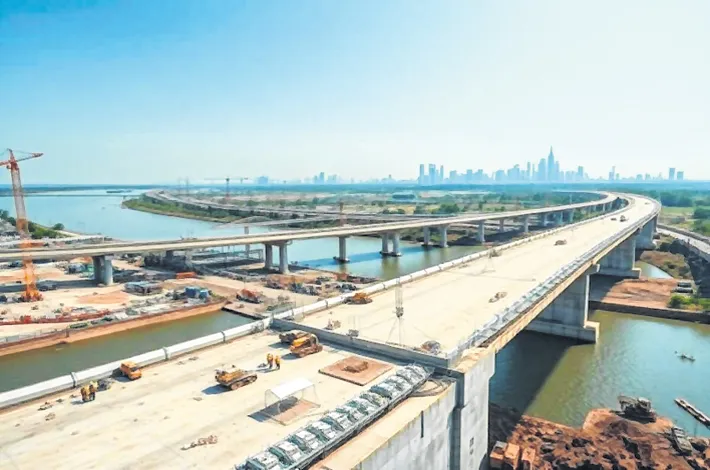
“The fiscal stress is indeed very much a reality, but capex will remain a priority item,” he said at a conference hosted by Ashoka University. “We will ensure that funds are provided despite challenges.”The government’s capex strategy will continue to focus on key infrastructure sectors such as highways, railways, ports, shipping, and urban development, which are seen as critical drivers of economic growth and job creation.
Global developments, particularly the ongoing tensions in West Asia, have added to the fiscal strain. As a major importer of crude oil, India faces heightened risks from rising energy prices.
Crude has surged sharply since late February, increasing concerns around inflation, subsidy burdens, and the current account deficit. To shield consumers from rising fuel prices, the government cut excise duties on petrol and diesel, a move estimated to cost the exchequer about ₹7,000 crore over just 15 days.
While the step supports inflation management, it also reduces revenue, adding to fiscal pressures. The fiscal deficit for FY27 has been pegged at 4.3 per cent of GDP, though it is now seen inching closer to 4.5% following a downward revision in nominal GDP estimates. Officials acknowledged that tax collections could face headwinds amid slowing global growth and domestic adjustments. Vualnam noted that India’s fiscal discipline in recent years has placed it in a relatively strong position to navigate uncertainty.
However, risks remain elevated, especially with disruptions to energy supply routes such as the Strait of Hormuz, through which a significant share of India’s LPG imports passes.