28 October, 2026 | 1:33 AM


El Niño heats up food prices
28-10-2026 12:00:00 AM
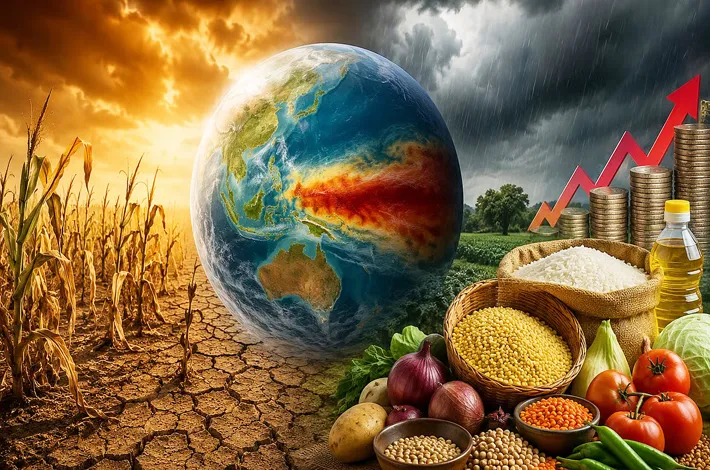
metro india news I hyderabad : It is no longer a speculation. The El Niño effect is taking a toll. Lack of rainfall, extended heat and erratic growth of fruits and vegetables and unseasonal supply are pointers. The prices of essential commodities are bound to rise. Rice, pulses, sugar and vegetables already becoming costlier, consumers fear that prolonged dry conditions could send kitchen budgets spiralling out of control.
Food accounts for a significant share of household expenditure, from daily-wage earners to middle-class salaried employees. Even a marginal increase in prices can translate into a substantial additional burden by the end of the month.
Weather conditions, crop yields, market arrivals, stocks, transportation costs and international market trends all influence the prices of essential commodities. If El Niño leads to reduced rainfall and lower agricultural production, supplies could shrink, pushing prices higher.
Rice and pulses
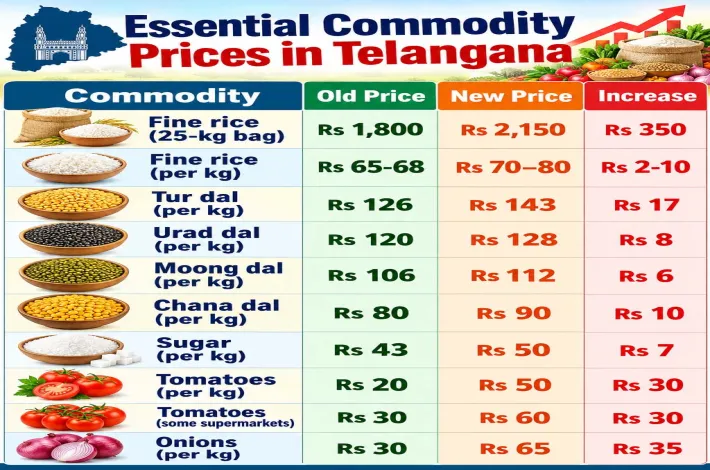
Rice is among the major contributors to the rising cost of essential commodities in Telangana, where fine rice varieties are a staple for many households. Reports published in October 2026 indicate that the prices of certain fine rice varieties have risen to Rs.70–80 per kg.
A 25-kg bag of rice that earlier cost around Rs.1,800 is reportedly selling for as much as Rs.2,150 for some varieties, adding approximately Rs.350 to the cost of each bag. For a family buying one bag a month, this represents a direct increase in expenditure. Households requiring two bags face an even heavier burden.
Higher rice prices may also force low-income families to cut spending on other essential items. Paddy cultivation depends heavily on water availability. Delayed rainfall, declining irrigation reserves and rising cultivation costs could influence farmers' decisions. If the area under cultivation or crop yields decline, market arrivals may fall, putting further pressure on prices.
A reduction in fine paddy cultivation could also affect procurement, potentially making it difficult for the government to secure adequate quantities for the public distribution system and raising concerns about the availability of subsidised rice.
Pulses are another essential component of household diets. Recent price reports indicate that the cost of pigeon pea (tur) dal has increased from Rs.126 to Rs.143 per kg, urad dal from Rs.120 to Rs.128, moong dal from Rs.106 to Rs.112, and chana dal from Rs.80 to Rs.90.
If dry conditions affect pulse cultivation and yields, market supplies could decline. Imports, arrivals from other states, existing stocks and demand will also determine price movements.
Small increases, bigger expenses
The individual price increases of sugar, wheat flour, salt and other kitchen essentials may appear modest. However, their cumulative impact on monthly household expenditure can be substantial.
Recent reports indicate that sugar prices have increased from Rs.43 to Rs.50 per kg. Families using sugar regularly for tea, coffee, breakfast and other preparations will also feel the additional burden.
Prices of wheat flour and other grains depend on crop yields, stocks, transportation costs and market demand. If El Niño affects agricultural production in parts of the country, grain supplies could come under pressure.
Edible oils are indispensable to every household. Changes in the prices of sunflower, palm, soybean and groundnut oils directly affect kitchen budgets. Rainfall and water availability influence oilseed cultivation, and a decline in yields could affect domestic supplies.
However, edible oil prices depend not only on weather conditions but also on international supplies, import policies and domestic stocks. As prices rise, households may be forced to switch to cheaper varieties or reduce consumption.
Tomato prices have reportedly increased from around Rs.20 to Rs.50 per kg, touching Rs.60 in some supermarkets. Onion prices, which were earlier around Rs.30 per kg, have reportedly reached Rs.65 in some markets.
Milk and eggs are also essential to daily diets. High temperatures can affect livestock health and milk production, while drought conditions may reduce the availability of fodder and increase dairy farmers' operating costs.
Although these factors could raise milk production costs, higher consumer prices are not inevitable or immediate. Milk procurement arrangements, cooperative pricing policies, fodder availability and market conditions will also play important roles.
Farmers and consumers both suffer
Rising prices of essential commodities affect not just households but also hotels, tiffin centres and catering businesses, which purchase rice, pulses, oils, vegetables and milk in large quantities.
Higher input costs increase operating expenses. Businesses may initially absorb some of the increase by accepting lower profit margins, but prolonged price pressures could force them to raise the prices of meals and snacks.
Schools, residential institutions, hostels and community kitchens could also face higher food bills, indirectly increasing the cost of meals and accommodation for students.
The effects of drought are felt on both sides. Farmers may have to spend more on irrigation, borewells, pumps, electricity, diesel, fertilisers and pesticides if rainfall declines. Higher cultivation costs combined with lower yields could reduce their incomes.
At the same time, consumers may have to pay more if market supplies shrink. Procurement prices, transportation expenses, intermediaries' margins, storage facilities and the efficiency of the market system also influence the final price.
The government therefore faces the challenge of ensuring remunerative prices for farmers while making essential commodities available to consumers at affordable rates.
Early intervention is crucial
The government must closely monitor El Niño, rainfall patterns and crop prospects through coordination among the Agriculture, Marketing and Civil Supplies departments. Officials should assess commodity stocks, market arrivals and wholesale-retail price differences to identify unusual increases.
Increasing supplies, releasing government stocks, ensuring irrigation water and preparing drought-protection plans could limit the impact. Strict inspections are needed to prevent hoarding and artificial shortages. Farmers must receive timely weather forecasts, crop advisories and guidance on alternative cultivation methods.
Reduced rainfall and crop losses could push up prices of rice, pulses, edible oils, sugar, vegetables and milk, depending on production and market conditions.
With essential commodities already becoming costlier, further increases could strain household budgets. Protecting crops, ensuring affordable prices and maintaining uninterrupted supplies require coordinated action. Rainfall, crop yields, market arrivals and timely government intervention will determine future price trends.