29 July, 2026 | 1:19 PM


Dog carries human limb outside Vijayawada GGH
19-05-2026 12:00:00 AM
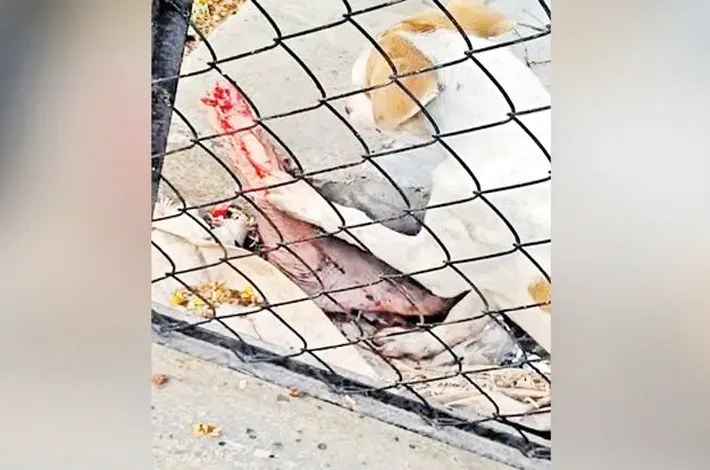
Calling the incident “inhuman and unacceptable,” the minister directed the Director of Medical Education (DME), Dr. Radhika Reddy, to investigate the circumstances that allowed biomedical waste to be left exposed within hospital premises
Metro India News | AMARAVATI
A shocking incident at the Government General Hospital (GGH) in Vijayawada, where a stray dog was seen carrying a surgically amputated human limb outside the hospital premises, has triggered outrage across Andhra Pradesh and exposed serious lapses in biomedical waste management systems in government hospitals and private healthcare facilities alike.
The disturbing episode prompted Health Minister Sathya Kumar Yadav to order an immediate inquiry and strict disciplinary action against officials found responsible for negligence. Calling the incident “inhuman and unacceptable,” the minister directed the Director of Medical Education (DME), Dr. Radhika Reddy, to investigate the circumstances that allowed biomedical waste to be left exposed within hospital premises.
Preliminary action has already begun. The hospital administration issued a show-cause notice to the Resident Medical Officer (RMO) over supervisory failures, removed a sanitation worker from duty and served notices to the private agency handling waste transportation and disposal. The controversy has now widened into a larger debate over the poor handling of biomedical waste across Andhra Pradesh, particularly in Vijayawada city, where officials and health activists say several clinics, laboratories and small medical establishments continue to dispose of hazardous waste along with municipal garbage.
Following the minister’s intervention, the DME instructed all teaching hospitals in the state to submit detailed status reports on biomedical waste handling systems by Monday. Superintendents have been asked to furnish information on waste segregation methods, storage facilities, CCTV surveillance, transportation procedures and authorization status from the Andhra Pradesh Pollution Control Board (APPCB).
Hospitals were also directed to ensure strict implementation of the Biomedical Waste Management Rules, 2016, including mandatory segregation of waste into color-coded categories such as yellow, red, blue and white bags depending on the nature of the waste.
According to APPCB officials, Vijayawada alone generates nearly two metric tonnes of biomedical waste every day. However, out of more than 1,700 medical establishments, including hospitals, blood banks and diagnostic centers in the city, only 464 are reportedly using authorized common biomedical waste disposal facilities.
Public health experts warn that improper disposal of anatomical waste, contaminated plastics, syringes and laboratory waste can spread infectious diseases and release toxic gases if dumped in regular garbage yards.
S. Suresh, State Convener of Praja Arogya Vedika, alleged that several clinics and unauthorized medical practitioners continue violating disposal norms. “Biomedical waste dumped into municipal bins poses a direct threat to public health. This negligence can lead to serious viral outbreaks and environmental contamination,” he said. Officials said Andhra Pradesh currently has 11 authorized biomedical waste treatment facilities handling around 8.4 metric tonnes of waste daily across the state.