27 July, 2026 | 4:01 AM


CM slashes notebook tender cost by Rs 90 crore
26-05-2026 12:00:00 AM
metro india news I hyderabad
A major controversy has surfaced over the Telangana government’s notebook procurement process for students studying in welfare and residential institutions across the state. Chief Minister Revanth Reddy is learnt to have intervened directly in the tender process and prevented what officials describe as an unnecessary expenditure of nearly Rs 90 crore of public money.
The issue came to light during a review of tenders floated for supplying notebooks and other essential items to nearly 9.24 lakh students studying in around 10 categories of gurukuls, welfare hostels and residential schools across Telangana for the 2026 academic year. The beneficiaries include students from Minority, BC Welfare, Tribal Welfare, Social Welfare, Kasturba schools, model schools, tribal ashram schools and welfare hostels.
The government had planned to distribute 22 types of items including trolley bags, uniforms, belts, ties, blankets, socks, mats, PT dress, night dress, track suits and notebooks. Earlier, districts used to handle procurement separately, but after identifying major differences in prices and quality, the government shifted to a centralized “common procurement” system through a specially formed Project Monitoring Unit (PMU).
As part of this process, tenders worth nearly Rs 150 crore were invited for notebook supply alone. However, officials allegedly introduced a controversial condition requiring “watermarks” on notebooks, claiming it would prevent misuse or resale in the open market.
Sources said the watermark condition drastically increased notebook costs and effectively restricted participation to only a few large corporate paper manufacturers from other states, as such watermark technology is generally used only for currency notes, stamp papers and bond papers.
Local MSMEs reportedly lacked the infrastructure to manufacture watermark-based notebooks.
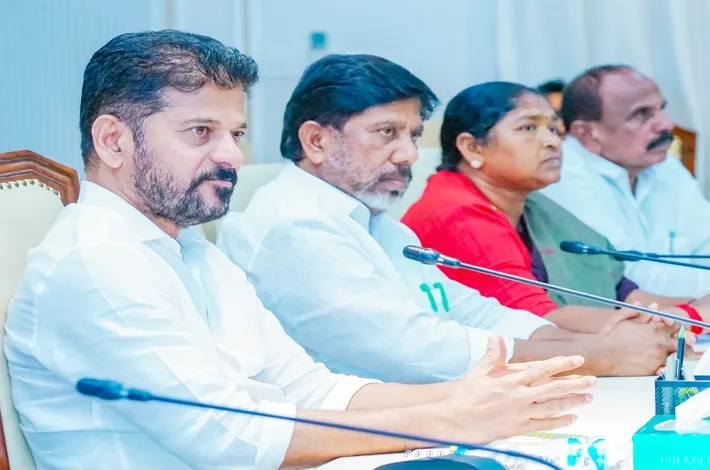
During a review meeting, the Chief Minister was reportedly surprised over the proposal and questioned the need for watermark technology on student notebooks. Officials informed him that due to the condition, the cost of a single notebook had gone up to nearly Rs 87.
The CM is learnt to have expressed displeasure over the stringent conditions and reportedly questioned whether such specifications were genuinely necessary or designed to favour select corporate companies from outside the state.
Following his intervention, the government is understood to have decided to remove the watermark condition and route the notebook supply through a state-run corporation. With this, the notebook price reportedly came down from Rs 87 to nearly Rs 42 per unit. As a result, the original Rs 150 crore tender value is said to have dropped to nearly Rs 60 crore, saving the state exchequer close to Rs 90 crore.
The development has triggered discussions within official circles, with several employees reportedly appreciating the CM’s intervention in preventing public funds from being diverted through what they described as impractical tender conditions.
The decision has also brought relief to MSMEs in Telangana. Since the state-run corporation is expected to procure notebooks directly from local small and medium industries, the move is likely to generate employment and business opportunities for local manufacturers and workers.
MSME representatives welcomed the decision and urged the government to adopt a similar approach in other large procurement tenders as well, so that public money is protected while ensuring more work opportunities for local industries.