25 August, 2026 | 1:05 AM


City’s e-waste crisis deepens
10-07-2026 12:00:00 AM
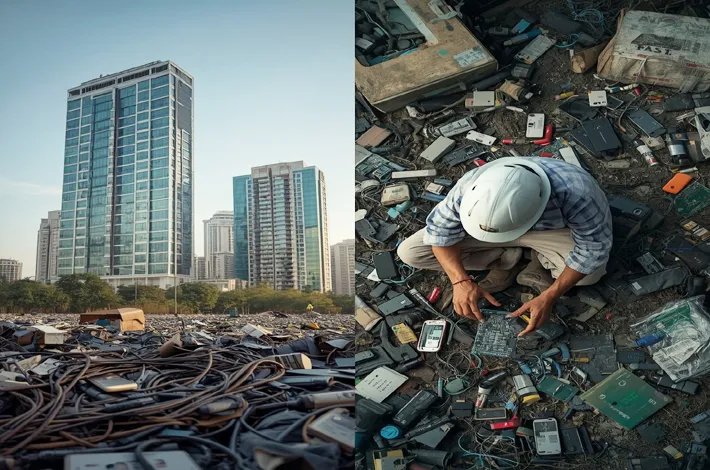
hema singaluri | Hyderabad
Hyderabad's growing pile of discarded electronics is emerging as a major public health and environmental concern, with experts warning that unsafe handling of e-waste is exposing workers and nearby communities to toxic metals and hazardous chemicals.
As damaged mobile phones, batteries, laptops and other electronic devices are often stored at home or discarded through informal channels instead of authorised recycling systems, the city's e-waste burden continues to rise. Informal recyclers are particularly vulnerable to exposure from hazardous substances such as lead, mercury and other heavy metals.
The World Health Organization has warned that unsafe e-waste recycling can expose workers and nearby residents to chemicals that damage the lungs, brain and nervous system.
Clinical Metal Toxicologist Dr. Praveen Kumar Saxena said increasing exposure to heavy metals has become a serious concern. He noted that fine particulate matter (PM2.5) can bypass the body's natural defence mechanisms, enter the bloodstream and cause blood vessel damage and lung complications. According to him, even non-smokers are increasingly showing signs of lung blockages linked to metal toxicity.
Saxena stressed that children are particularly vulnerable, as exposure to toxic metals during early development can have long-term health consequences. He urged greater public awareness, especially about the safe disposal of batteries and electronic cells, which can release harmful chemicals into the environment. M. Dayanand, Senior Environmental Engineer at the Telangana Pollution Control Board (TGPCB), said domestic electronic waste accounts for the largest share of Hyderabad's e-waste. While the board is promoting authorised recycling facilities and enforcing regulations, inadequate collection systems and limited recycling capacity remain major challenges.
TGPCB data shows e-waste generation in the Hyderabad Metropolitan Development Authority (HMDA) region increased from 33,425 metric tonnes in 2017-18 to 50,835 metric tonnes in 2021-22.
Officials said many citizens still store old electronics for years, discard them with household waste or sell them to unregistered scrap dealers. Experts urged residents to use authorised recyclers, manufacturer take-back programmes, certified collection drives and Extended Producer Responsibility (EPR) channels to ensure safe disposal and reduce environmental and health risks.